Are you on a journey to shed stubborn body fat, but feel like you're constantly battling hunger, energy slumps, and the dreaded 'skinny fat' look? You're not alone. Many people focus solely on cutting calories, only to find themselves losing muscle along with fat, making their metabolism sluggish and their results unsustainable. But what if there was one powerful nutrient that could transform your fat loss efforts, keeping you feeling full, preserving your precious muscle, and even boosting your calorie burn?
Enter protein – the unsung hero of sustainable fat loss. Often overlooked or misunderstood, optimizing your protein intake is one of the most effective, evidence-based strategies you can adopt to sculpt a leaner, stronger, and healthier body. This isn't just about building biceps; it's about revving up your metabolism, curbing cravings, and ensuring the weight you lose is truly fat, not muscle. Let's dive into why protein is your ultimate ally and how you can harness its power for lasting results. this excellent wellness product
Why Protein is Your Secret Weapon for Fat Loss
Protein isn't just a building block for muscles; it's a dynamic nutrient with a profound impact on your body's ability to lose fat. Understanding its mechanisms will empower you to make smarter dietary choices.
The Satiety Factor: Feeling Full, Naturally
One of the biggest challenges in fat loss is managing hunger and cravings. This is where protein shines brightest. Protein has a remarkable ability to keep you feeling fuller for longer compared to carbohydrates or fats. How does it do this? It's all thanks to its interaction with your hunger hormones. Protein stimulates the release of satiety hormones like GLP-1 and PYY, while simultaneously reducing levels of ghrelin, the hormone that signals hunger. This means fewer mindless snacks, less overeating, and a much easier time adhering to a calorie deficit without feeling deprived.
The Thermic Effect: Burning More Calories Just by Eating
Did you know your body expends energy just to digest and metabolize the food you eat? This is known as the Thermic Effect of Food (TEF). Protein has a significantly higher TEF than carbohydrates or fats. While fats have a TEF of 0-3% and carbs around 5-10%, protein's TEF can be as high as 20-30%. This means that for every 100 calories of protein you consume, your body uses 20-30 of those calories just to process it. In essence, a higher protein intake can slightly boost your daily calorie expenditure, giving you a small but consistent edge in your fat loss journey.
Muscle Preservation: The Key to a Revved-Up Metabolism
When you're in a calorie deficit to lose fat, your body doesn't always distinguish between fat and muscle. Without adequate protein and resistance training, you risk losing valuable muscle mass. Why is this a problem? Muscle tissue is metabolically active, meaning it burns more calories at rest than fat tissue. Losing muscle can slow down your metabolism, making it harder to lose weight and easier to regain it. Protein provides the amino acids necessary to repair and build muscle, signaling to your body to hold onto that precious muscle mass, even while you're shedding fat. This helps maintain a higher resting metabolic rate, making sustainable fat loss much more achievable.
How Much Protein Do You Really Need for Fat Loss?
The optimal protein intake for fat loss isn't a one-size-fits-all number, but scientific evidence provides clear guidelines. For individuals actively trying to lose fat while preserving muscle, a daily intake ranging from 1.6 to 2.2 grams of protein per kilogram of body weight (or approximately 0.7 to 1 gram per pound of your target body weight) is generally recommended. For example, if your target weight is 150 lbs, aiming for 105-150 grams of protein per day would be a good starting point.
Factors like your activity level, age, and current body composition can influence your specific needs. Highly active individuals or those with significant muscle mass might benefit from the higher end of the spectrum. It's also crucial to distribute your protein intake throughout the day, aiming for 20-40 grams per meal, rather than consuming the bulk of it in one sitting. This helps optimize muscle protein synthesis and keeps you feeling satiated consistently.
Smart Strategies to Boost Your Protein Intake
Increasing your protein intake doesn't have to be complicated or boring. Here are some practical, delicious strategies to seamlessly integrate more protein into your daily routine:
Prioritize Protein at Every Meal
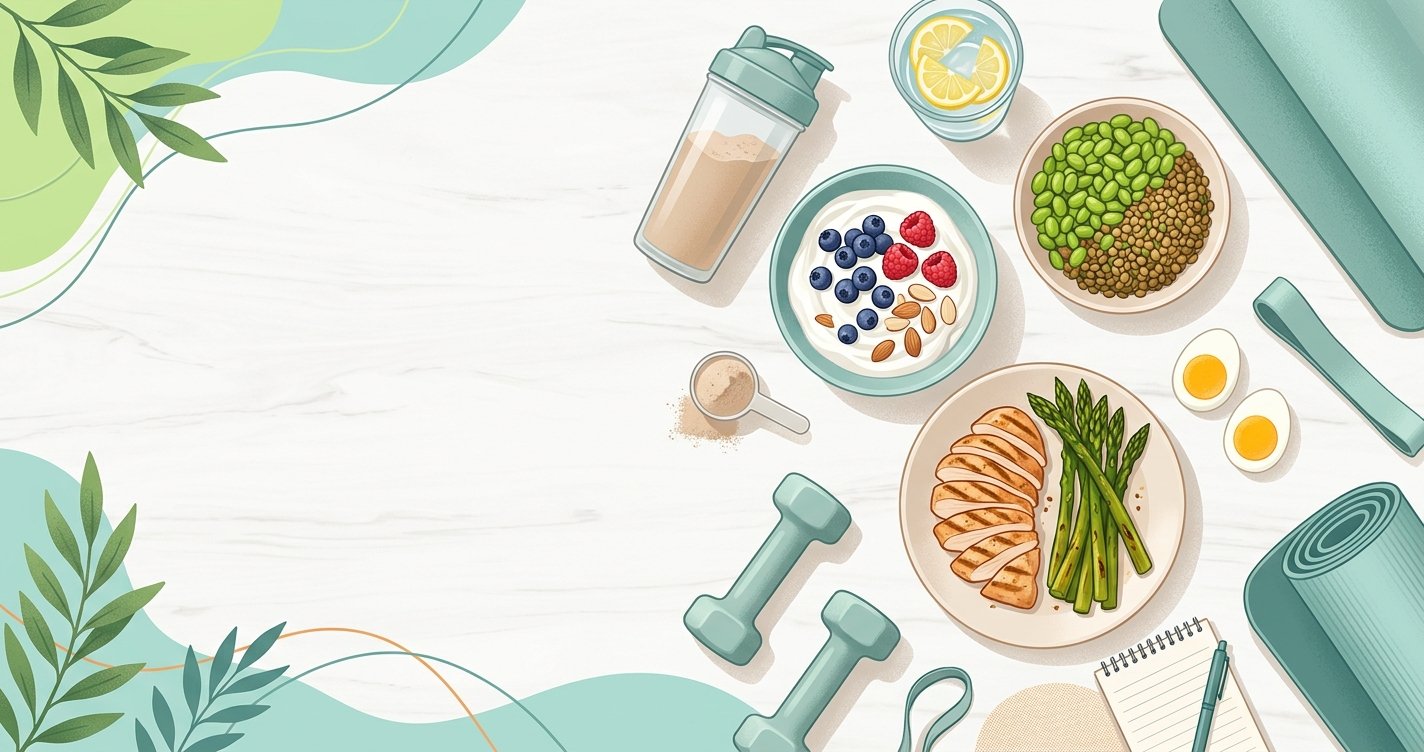
- Breakfast: Ditch sugary cereals. Opt for Greek yogurt with berries, scrambled eggs with veggies, cottage cheese, or a protein smoothie.
- Lunch & Dinner: Make lean protein the star of your plate. Think chicken breast, fish, lean beef, tofu, tempeh, or lentils. Pair it with plenty of non-starchy vegetables.
Snack Smart: Protein-Packed Options
Mid-day hunger pangs are an opportunity, not a setback! Choose snacks that deliver a protein punch:
- Hard-boiled eggs
- A handful of almonds or walnuts
- Cottage cheese or string cheese
- Edamame
- Jerky (check for low sugar options)
- Greek yogurt
Don't Fear Supplements (When Needed)
While whole foods should always be your primary source, protein supplements can be incredibly convenient, especially when you're busy or struggling to hit your daily targets. Whey, casein, or plant-based protein powders can be easily added to smoothies, oatmeal, or even water. Protein bars can also be a good on-the-go option, but always check the ingredients for added sugars and unhealthy fats.
Track and Adjust
Initially, it can be helpful to track your protein intake for a few days using a food diary app. This gives you an accurate picture of where you stand and helps you identify areas for improvement. Don't be afraid to adjust your targets based on how you feel, your energy levels, and your progress.
Delicious Protein Sources to Add to Your Diet
Variety is the spice of life, and it's essential for ensuring you get a wide range of nutrients. Here's a list of excellent protein sources to incorporate:
Animal-Based Proteins
- Lean Meats: Chicken breast, turkey breast, lean cuts of beef (sirloin, round), pork loin.
- Fish & Seafood: Salmon, tuna, cod, shrimp, scallops. These often provide beneficial omega-3 fatty acids too!
- Eggs: The incredible, versatile egg is a complete protein powerhouse.
- Dairy: Greek yogurt, cottage cheese, milk, kefir, cheese (in moderation).
Plant-Based Proteins
For those following a plant-based diet, or simply looking to diversify, there are abundant options:
- Legumes: Lentils, chickpeas, black beans, kidney beans.
- Soy Products: Tofu, tempeh, edamame.
- Nuts & Seeds: Almonds, peanuts, cashews, pumpkin seeds, chia seeds, flax seeds.
- Grains: Quinoa (a complete protein), oats, farro.
- Certain Vegetables: Broccoli, spinach, asparagus (while not as high as other sources, they contribute).
Remember to combine different plant-based sources throughout the day to ensure you get all essential amino acids.
Common Protein Pitfalls and How to Avoid Them
While protein is a powerful tool, it's possible to fall into common traps. Being aware can help you navigate your journey more effectively:
- Not Enough Variety: Sticking to just chicken and broccoli can lead to nutrient deficiencies and boredom. Explore different sources.
- Relying Too Heavily on Supplements: Supplements are meant to *supplement* your diet, not replace whole, nutrient-dense foods. Prioritize real food sources.
- Ignoring Overall Diet Quality: A high-protein diet won't magically offset a diet rich in ultra-processed foods, unhealthy fats, and excessive sugars. Focus on a balanced, whole-food approach.
- Forgetting Hydration: As you increase protein, especially fiber, ensure you're drinking plenty of water to aid digestion and kidney function.
Beyond Protein: Holistic Fat Loss Principles
While protein is a superstar, it's important to remember it's one piece of a larger puzzle. For truly sustainable fat loss and overall well-being, integrate these complementary strategies:
- Calorie Deficit: Ultimately, fat loss requires consuming fewer calories than you burn. Protein makes this easier, but it's still foundational.
- Strength Training: Resistance exercise is crucial for building and preserving muscle mass, which works synergistically with protein. Aim for 2-4 sessions per week.
- Adequate Sleep: Poor sleep can disrupt hunger hormones and increase cortisol, making fat loss significantly harder. Prioritize 7-9 hours of quality sleep.
- Stress Management: Chronic stress can also elevate cortisol, leading to fat storage, particularly around the midsection. Find healthy ways to manage stress.
- Hydration: Drinking enough water is vital for metabolism, satiety, and overall health.
Unlock Your Potential with Protein
Embracing a higher protein intake isn't just another fad diet; it's an evidence-based, sustainable strategy that empowers you to take control of your fat loss journey. By prioritizing protein, you'll naturally feel more satisfied, boost your metabolism, and protect your hard-earned muscle, paving the way for a leaner, stronger, and more vibrant you.
Start small, make gradual changes, and listen to your body. You don't need to overhaul your entire diet overnight. Focus on adding a quality protein source to each meal and snack, and watch as your body transforms, not just in size, but in strength, energy, and overall health. Your journey to sustainable fat loss is within reach – let protein be your guide!