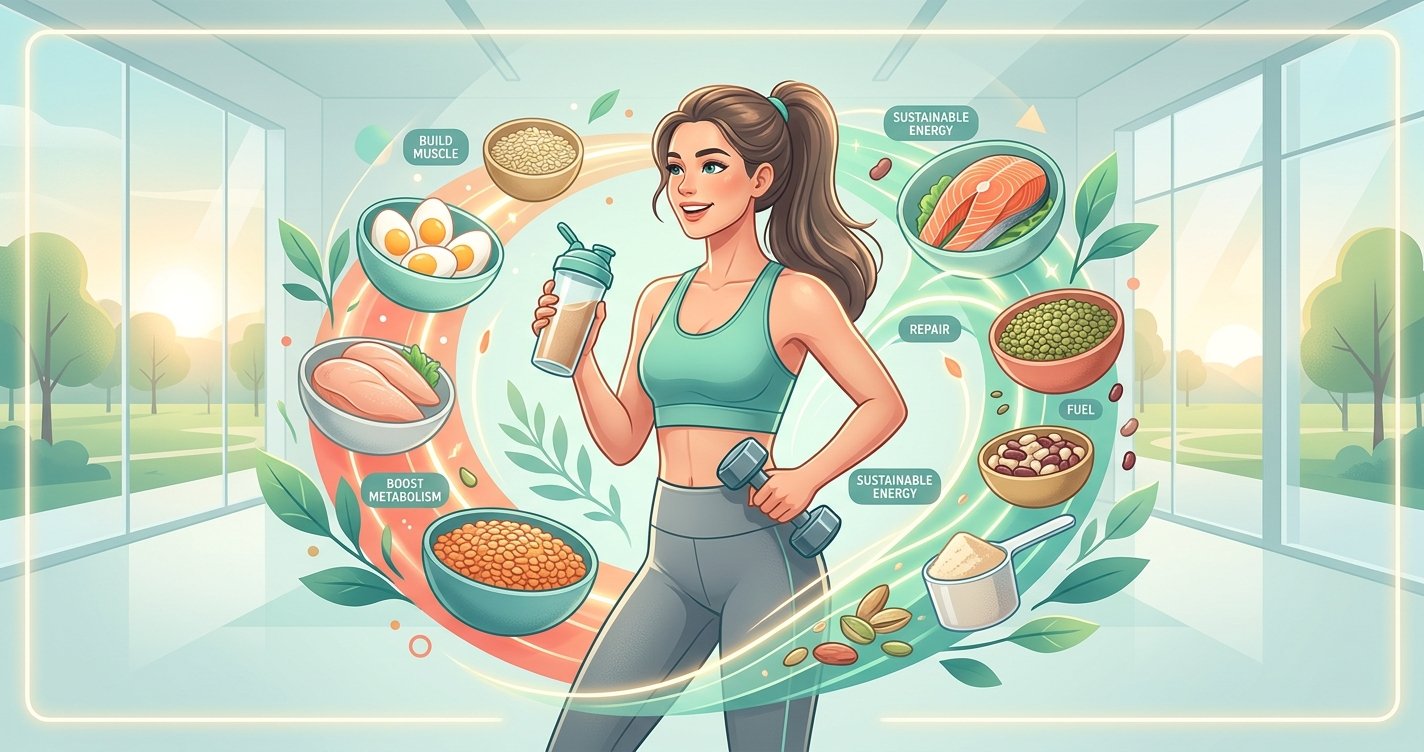
Protein Power: Your Essential Guide to Sustainable Fat Loss and Muscle Preservation
Are you on a journey to shed unwanted fat, feel more energized, and build a stronger, healthier body? If so, you've likely encountered countless diets, workout plans, and conflicting advice. But what if one key nutrient held the power to simplify your path, enhance your results, and make the process more sustainable? Good news: it does, and its name is protein!
Often hailed as the building block of life, protein is far more than just for bodybuilders. It's a powerhouse nutrient crucial for everyone, especially those focused on fat loss. In this comprehensive guide, we'll dive deep into why protein is your ultimate ally in achieving a leaner physique, preserving precious muscle, and maintaining long-term success. Get ready to unlock the secrets to a protein-powered transformation! this excellent wellness product
Why Protein Is Your Fat Loss Best Friend
When it comes to losing fat, most people instinctively think about cutting calories. While a calorie deficit is indeed necessary, what you eat within that deficit makes a monumental difference. Protein stands out for several compelling reasons:
- Satiety Superstar: One of protein's most celebrated benefits is its incredible ability to keep you feeling full and satisfied for longer. Compared to carbohydrates and fats, protein has a superior impact on satiety hormones, helping to curb those pesky hunger pangs and reduce overall calorie intake naturally. This means fewer cravings, less mindless snacking, and a much easier time sticking to your plan.
- Thermic Effect of Food (TEF): Did you know your body burns calories just by digesting food? This is known as the Thermic Effect of Food (TEF), and protein has the highest TEF of all macronutrients. Roughly 20-30% of the calories from protein are expended during digestion and absorption, compared to 5-10% for carbs and 0-3% for fats. This means you're burning more calories simply by eating protein-rich foods!
- Metabolism Maintenance: When you lose weight, there's always a risk of losing some muscle along with fat. Losing muscle can slow down your metabolism, making it harder to keep the weight off in the long run. Protein plays a critical role in preserving lean muscle mass, especially during a calorie deficit. More muscle means a higher resting metabolic rate, meaning your body burns more calories even when you're just relaxing.
The Muscle-Saving Superpower: Why Protein Is Crucial During a Calorie Deficit
Imagine you're trying to sculpt a healthier physique. You want to shed the extra fat, but you also want to look toned and strong, not just smaller. This is where protein truly shines. When you restrict calories to lose fat, your body might start to break down muscle tissue for energy, especially if your protein intake is too low. This is counterproductive to your goals.
Adequate protein intake sends a strong signal to your body to hold onto its muscle mass. When combined with resistance training (which we highly recommend for fat loss!), protein provides the amino acids needed for muscle repair and growth, further supporting muscle preservation. By prioritizing protein, you ensure that a higher percentage of the weight you lose is body fat, leading to a more favorable body composition and a more sustainable result.
How Much Protein Do You REALLY Need?
This is a common question with a nuanced answer. While general dietary guidelines suggest a certain amount, for fat loss and muscle preservation, higher protein intakes are often more beneficial. Here's a general framework:
- For general fat loss and muscle preservation: Aim for approximately 0.7 to 1.0 grams of protein per pound of your target body weight (or 1.6 to 2.2 grams per kilogram). For example, if your target weight is 150 pounds, you'd aim for 105-150 grams of protein per day.
- Factors to consider: Your activity level, age, and current body composition can influence your exact needs. Very active individuals or those with significant muscle mass might benefit from the higher end of the spectrum.
Don't get too bogged down by precision initially. The key is to make a conscious effort to increase your protein intake significantly from what it might currently be, and then adjust based on how you feel and your results.
Protein Sources Galore: Animal vs. Plant-Based Options
The good news is that protein is abundant in a wide variety of delicious foods. You have plenty of options to choose from, whether you prefer animal-based products or follow a plant-based diet.
Animal-Based Protein Sources:
- Lean Meats: Chicken breast, turkey, lean cuts of beef (sirloin, round), pork loin.
- Fish and Seafood: Salmon, tuna, cod, shrimp, tilapia. Rich in omega-3s too!
- Eggs: A complete protein powerhouse, incredibly versatile and affordable.
- Dairy: Greek yogurt, cottage cheese, milk, whey protein (if using supplements).
Plant-Based Protein Sources:
- Legumes: Lentils, black beans, chickpeas, kidney beans.
- Soy Products: Tofu, tempeh, edamame.
- Grains: Quinoa (a complete protein), oats.
- Nuts and Seeds: Almonds, peanuts, chia seeds, flax seeds, pumpkin seeds.
- Plant-Based Protein Powders: Pea, rice, soy, hemp protein.
If you're plant-based, ensure you combine various sources throughout the day to get a complete amino acid profile.
Smart Strategies for Boosting Your Protein Intake
Knowing you need more protein is one thing; actually getting it is another! Here are some practical, friendly strategies to effortlessly weave more protein into your daily routine:
- Start Your Day Strong: Make breakfast a protein priority. Think scrambled eggs, Greek yogurt with berries, cottage cheese, or a protein smoothie. This sets a strong foundation for satiety throughout the day.
- Protein at Every Meal: Don't just save protein for dinner. Aim for 20-40 grams of protein at each main meal (breakfast, lunch, and dinner). Build your plate around a lean protein source.
- Smart Snacking: Ditch the sugary snacks and opt for protein-rich alternatives. Hard-boiled eggs, a handful of almonds, beef jerky, a small container of Greek yogurt, or a protein bar can be excellent choices.
- Meal Prep Power: Cook in bulk! Grill extra chicken breasts, hard-boil a dozen eggs, or make a big batch of lentil soup at the beginning of the week. This makes grabbing a protein-rich meal or snack incredibly easy when time is short.
- Protein Boosters: Add protein powder to smoothies, oatmeal, or even baked goods. Sprinkle nutritional yeast (a good source of B vitamins and some protein) on popcorn or pasta.
Beyond the Plate: Protein Supplements – Are They Worth It?
Protein supplements, like whey, casein, or plant-based powders, can be a convenient tool, but they are not magic pills. Think of them as supplements to your whole food intake, not replacements.
- When they're useful: If you struggle to hit your protein targets through whole foods alone due to a busy schedule, dietary restrictions, or increased needs (e.g., intense training), a protein shake can be a quick and easy way to bridge the gap. They're also excellent for post-workout recovery.
- Types: Whey protein is fast-digesting and great post-workout. Casein is slow-digesting, ideal before bed. Plant-based options like pea or rice protein are excellent for those avoiding dairy or animal products.
Always prioritize whole, unprocessed foods first. Supplements are there to support, not to replace, a well-balanced diet.
Putting It All Together: Your Action Plan for Protein-Powered Fat Loss
Ready to put protein to work for you? Here’s a simple action plan to get started:
- Calculate Your Target: Using the 0.7-1.0g per pound of target body weight rule, determine your daily protein goal.
- Track and Assess: For a few days, track your current protein intake using an app or food journal. This will give you a baseline and show you where you can improve.
- Prioritize Protein at Every Meal: Look at your typical meals and identify where you can add more protein. Can you swap toast for eggs? Add chicken to your salad? Include beans in your rice?
- Smart Snacking: Stock your fridge and pantry with protein-rich snacks to avoid reaching for less nutritious options.
- Hydrate: Don't forget water! It's essential for all bodily functions, including metabolism and satiety.
- Combine with Activity: While protein is powerful, pair it with regular physical activity, especially strength training, to maximize muscle preservation and fat loss.
- Be Patient and Consistent: Sustainable fat loss takes time. Focus on making consistent, small changes, and celebrate your progress along the way.
Conclusion: Embrace the Power of Protein for a Leaner, Stronger You!
Protein is truly a game-changer for anyone serious about sustainable fat loss, muscle preservation, and overall health. By understanding its unique benefits – from boosting satiety and metabolism to protecting your precious muscle mass – you can strategically incorporate more of this vital nutrient into your diet.
Remember, this isn't about deprivation; it's about smart, evidence-based nutrition that empowers your body to burn fat more efficiently and build a stronger, healthier you. Start today, make protein your priority, and watch as you unlock your full potential on your fat loss journey. You've got this!