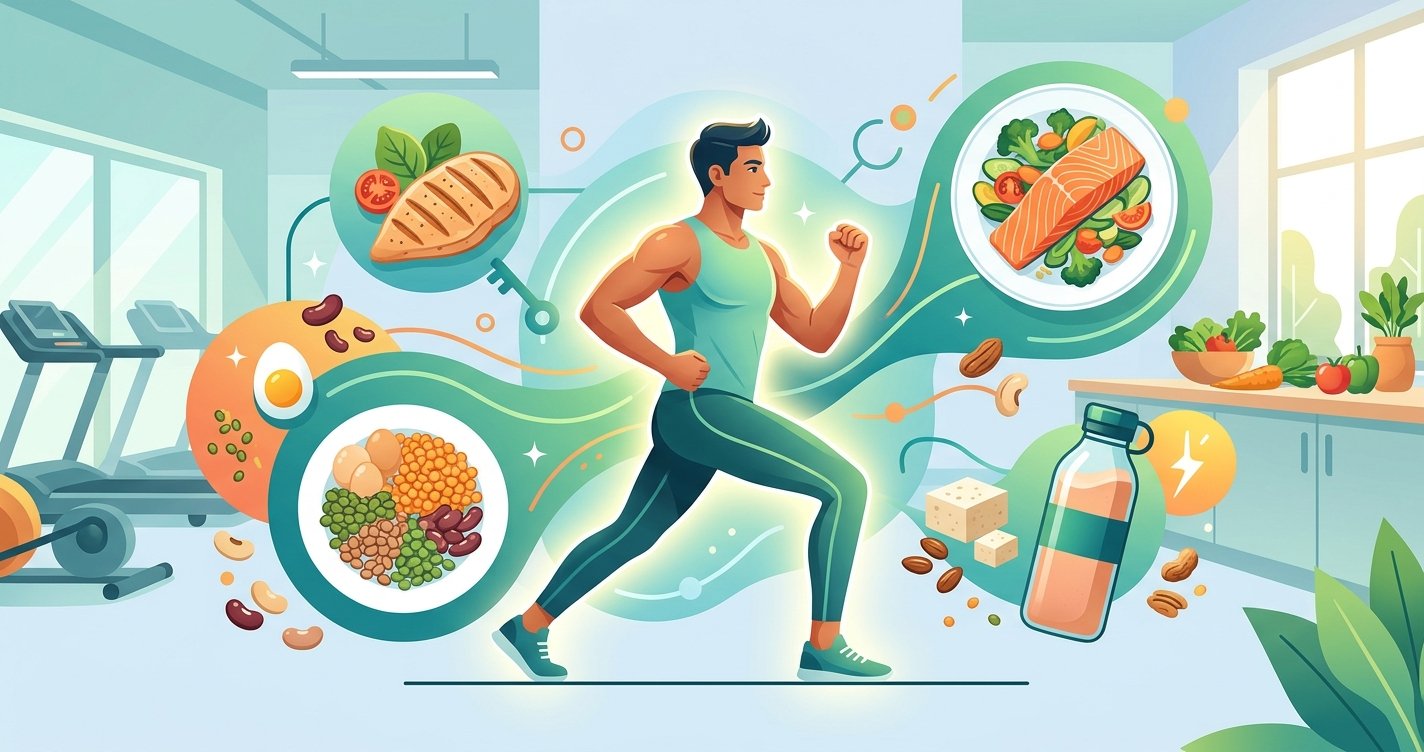
Are you tired of restrictive diets that leave you feeling hungry, deprived, and ultimately, disappointed? Many traditional fat loss approaches focus solely on cutting calories, often leading to a frustrating cycle of weight loss and regain. But what if there was a powerful macronutrient that could help you feel fuller, burn more calories, and protect your precious muscle mass while you shed fat? Enter protein, your unsung hero in the journey to sustainable fat loss.
For too long, protein has been associated primarily with bodybuilders or seen as just another 'diet food.' However, its role in effective and healthy fat loss is far more profound and beneficial than most people realize. It’s not just about building big muscles; it's about building a leaner, stronger, and healthier you. In this evidence-based guide, we'll dive deep into why protein is your ultimate ally for fat loss, how much you truly need, and practical ways to effortlessly incorporate more of it into your daily life. this excellent wellness product
Why Protein is Your Fat Loss MVP (Most Valuable Player)
When it comes to losing fat and keeping it off, protein offers a triple threat of benefits that no other macronutrient can match:
1. The Satiety Superstar: Keeping Hunger at Bay
One of the biggest challenges in any fat loss journey is managing hunger. Protein is incredibly effective at promoting satiety – the feeling of fullness and satisfaction after eating. Studies consistently show that meals rich in protein lead to greater feelings of fullness compared to meals with lower protein content, even when calorie counts are similar. This is partly due to protein's impact on hunger-regulating hormones like ghrelin (which stimulates hunger) and GLP-1 (which promotes satiety). By keeping you feeling full longer, protein naturally reduces your urge to snack unnecessarily and helps you stick to your calorie goals without feeling deprived.
2. The Thermic Effect Powerhouse: Burning More Calories Just by Eating
Did you know that your body expends energy just to digest, absorb, and metabolize the food you eat? This is known as the Thermic Effect of Food (TEF). And guess what? Protein has a significantly higher TEF than carbohydrates or fats. While fats have a TEF of 0-3% and carbs 5-10%, protein boasts a TEF of 20-30%! This means that for every 100 calories of protein you consume, your body uses 20-30 of those calories just to process it. While not a magic bullet, this metabolic advantage contributes to a slight but consistent increase in your daily calorie expenditure, making fat loss a little bit easier.
3. The Muscle Protector: Preserving Lean Mass During a Calorie Deficit
When you're in a calorie deficit (eating fewer calories than you burn), your body will tap into its stored energy. Ideally, you want it to tap into fat stores. However, without adequate protein intake, your body can also break down muscle tissue for energy. Losing muscle is counterproductive for fat loss because muscle is metabolically active – it burns more calories at rest than fat does. By consuming enough protein, especially when combined with resistance training, you signal to your body to preserve your hard-earned muscle mass, ensuring that the weight you lose is primarily fat, not muscle. This helps maintain a higher resting metabolism, making it easier to manage your weight in the long run.
How Much Protein Do You Actually Need for Fat Loss?
The Recommended Dietary Allowance (RDA) for protein is 0.8 grams per kilogram (g/kg) of body weight. While this might be sufficient to prevent deficiency, it's often not optimal for active individuals or those specifically aiming for fat loss and muscle preservation. Research suggests that for adults looking to lose fat while maintaining muscle, a higher intake is beneficial.
- General Recommendation: Aim for 1.6 to 2.2 grams of protein per kilogram of body weight per day.
- Example: If you weigh 70 kg (approximately 154 lbs), this would translate to roughly 112 to 154 grams of protein per day.
Don't get too caught up in precise calculations. Focus on consistently hitting a good range, and remember that individual needs can vary based on activity level, age, and specific goals. The key is to be mindful and make a conscious effort to include protein in your meals.
Smart Strategies to Boost Your Protein Intake Effortlessly
Upping your protein doesn't have to be complicated or involve expensive supplements. Here are some practical, delicious ways to integrate more protein into your daily routine:
- Prioritize Protein at Every Meal: Instead of making protein an afterthought, build your meals around it. Start with a lean protein source and then add your carbs and healthy fats.
- Breakfast Boost: Swap sugary cereals for Greek yogurt with berries, scrambled eggs with veggies, cottage cheese, or a protein smoothie.
- Lean Protein Sources: Focus on chicken breast, turkey, fish (salmon, tuna, cod), lean beef, eggs, dairy (milk, cheese), and plant-based options like tofu, tempeh, lentils, beans, and edamame.
- Smart Snacking: Instead of chips or cookies, opt for a handful of almonds, a hard-boiled egg, a small container of Greek yogurt, jerky, or a rice cake with peanut butter.
- Don't Fear the Freezer: Keep frozen shrimp or chicken strips on hand for quick, high-protein additions to salads or stir-fries.
- Consider Supplements (When Needed): Protein powders (whey, casein, plant-based) can be a convenient way to meet your targets, especially after workouts or when you're short on time. However, prioritize whole food sources first.
Beyond the Scale: The Wider Benefits of Protein
While fat loss is a primary goal, increasing your protein intake offers a wealth of other health benefits:
- Enhanced Recovery: Protein is crucial for repairing muscle tissue damaged during exercise, leading to faster recovery and less soreness.
- Stronger Bones: Adequate protein intake is linked to better bone mineral density, reducing the risk of osteoporosis.
- Immune System Support: Antibodies and immune cells are made from protein, making it vital for a robust immune system.
- Hair, Skin, and Nail Health: These tissues are primarily made of protein, so sufficient intake supports their strength and appearance.
- Better Metabolic Health: Protein can help regulate blood sugar levels, reducing spikes and crashes that lead to cravings.
Common Protein Pitfalls & How to Avoid Them
Even with the best intentions, it's easy to fall into common traps. Be mindful of these:
- Not Enough Variety: Eating the same few protein sources can lead to nutrient deficiencies and meal fatigue. Mix it up!
- Ignoring Overall Calorie Balance: While protein is great, it's not calorie-free. You still need to manage your overall calorie intake for fat loss.
- Fear of 'Too Much' Protein: For healthy individuals, current research shows that higher protein intakes are safe and beneficial. Consult a doctor if you have pre-existing kidney conditions.
- Over-reliance on Supplements: While convenient, whole foods offer a broader spectrum of micronutrients and fiber that supplements often lack.
Making Protein Work for YOU: A Sustainable Approach
Remember, sustainability is key. Don't try to overhaul your entire diet overnight. Start with small, consistent changes:
- Track for a Few Days: Use a food tracking app to get an idea of your current protein intake. This awareness is powerful.
- Add One Protein Source: Can you add an egg to your toast? A scoop of protein powder to your oatmeal? A handful of nuts to your snack?
- Plan Ahead: Meal prepping a batch of grilled chicken or hard-boiled eggs for the week can make high-protein eating much easier.
- Listen to Your Body: Pay attention to how different protein sources make you feel. Do you feel more satisfied? Do your energy levels improve?
Embracing protein as a cornerstone of your diet is one of the most effective and empowering strategies for sustainable fat loss and overall health. It’s not about strict rules or deprivation; it’s about nourishing your body, feeling fuller, preserving muscle, and boosting your metabolism. By harnessing the power of protein, you’re not just losing weight; you’re building a stronger, healthier foundation for life.
So, are you ready to make protein your new best friend on your fat loss journey? Start today, and feel the difference!