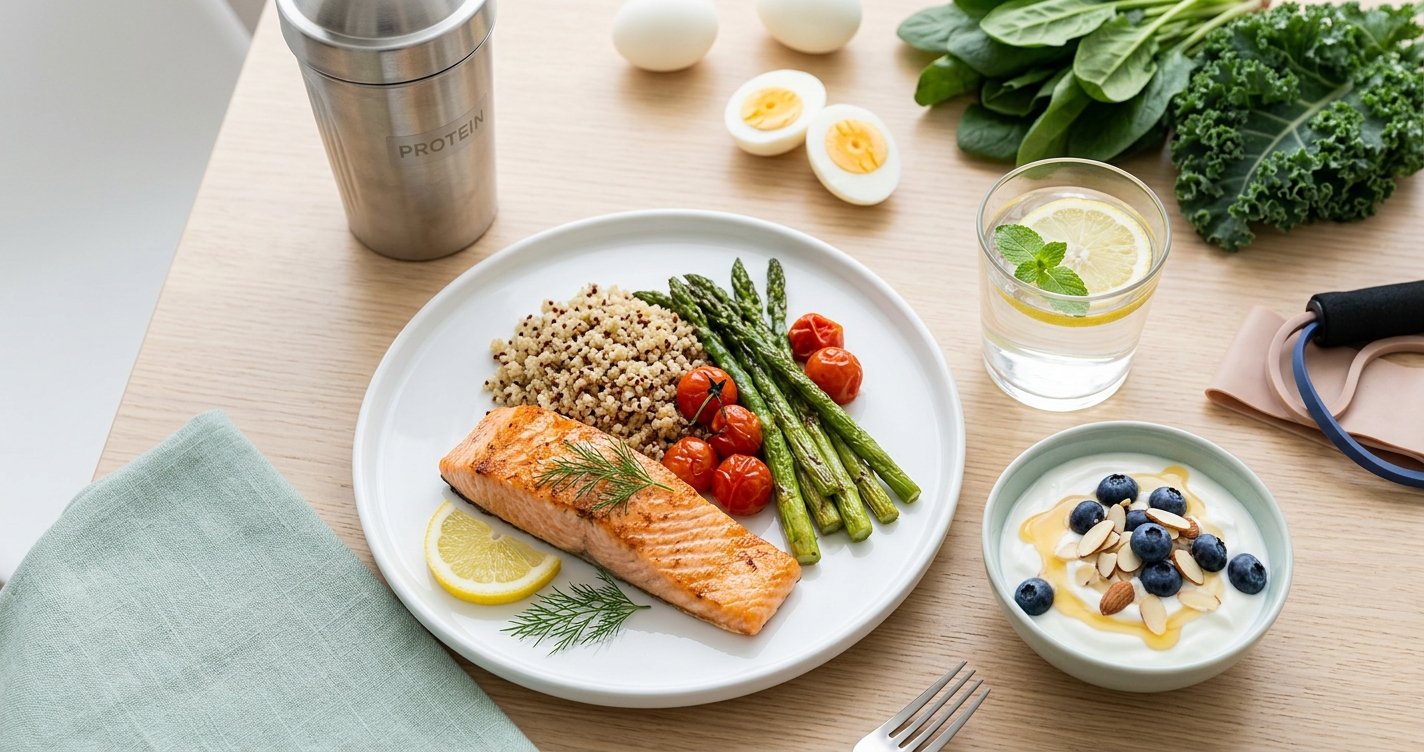
Hey there, health seeker! Are you on a journey to shed some unwanted fat, feel more energized, and build a stronger, healthier you? If so, you’ve probably heard a lot about different diets, exercise routines, and perhaps even some confusing fads. But what if we told you there’s one powerful nutrient that often doesn’t get the spotlight it deserves when it comes to effective and sustainable fat loss? We’re talking about protein!
Forget the myth that protein is just for bodybuilders. It’s an absolute game-changer for anyone looking to lose fat, preserve precious muscle, and maintain a healthy metabolism. In this comprehensive guide, we'll dive deep into why protein is your best friend on your fat loss journey, how much you truly need, the best sources, and practical tips to incorporate more of this incredible macronutrient into your daily life. Get ready to unlock the power of protein and transform your body sustainably! this excellent wellness product
Why Protein is Your Secret Weapon for Fat Loss
Protein isn't just about building big muscles; it plays several critical roles that directly impact your ability to lose fat and keep it off. Let's break down the science in a friendly, easy-to-understand way.
1. The Satiety Superstar: Feeling Fuller, Longer
One of the biggest challenges when trying to lose fat is managing hunger. Cravings and constant hunger pangs can derail even the best intentions. This is where protein shines! Protein is renowned for its ability to increase satiety, meaning it helps you feel full and satisfied for longer periods compared to carbohydrates or fats. When you feel full, you're less likely to snack mindlessly or overeat at your next meal, naturally leading to a reduction in overall calorie intake. Think of it as your body's natural appetite suppressant!
2. The Thermogenic Effect: Burning More Calories Just by Eating
Did you know that your body actually burns calories just to digest and process the food you eat? This is called the Thermic Effect of Food (TEF). And guess what? Protein has a significantly higher TEF than carbohydrates or fats. Roughly 20-30% of the calories from protein are burned during digestion, compared to 5-10% for carbs and 0-3% for fats. This means that by simply choosing protein-rich foods, you're giving your metabolism a little boost, helping you burn more calories around the clock.
3. Muscle Preservation: Protecting Your Metabolism's Engine
When you're in a calorie deficit (eating fewer calories than you burn) to lose fat, there's a risk of losing not just fat, but also valuable muscle mass. This is a problem because muscle is metabolically active, meaning it burns more calories at rest than fat does. Losing muscle can slow down your metabolism, making it harder to lose weight and easier to regain it. Protein is crucial for preserving lean muscle mass during fat loss. It provides the building blocks (amino acids) your body needs to repair and build muscle, ensuring that the weight you lose is primarily fat, not muscle.
How Much Protein Do You Really Need?
This is a common question, and the answer isn't a one-size-fits-all. However, we can provide some evidence-based guidelines to help you figure out your ideal intake for fat loss and muscle preservation.
General Guidelines for Fat Loss
- For most active individuals aiming for fat loss: A good starting point is to aim for 1.6 to 2.2 grams of protein per kilogram of body weight per day. If you prefer pounds, that's roughly 0.7 to 1 gram of protein per pound of body weight.
- Example: A person weighing 70 kg (154 lbs) might aim for 112-154 grams of protein per day.
Factors Influencing Your Protein Needs
- Activity Level: The more active you are, especially if you engage in strength training, the higher your protein needs will be to support muscle repair and growth.
- Age: As we age, our bodies become less efficient at utilizing protein, so older adults may benefit from slightly higher intakes to prevent muscle loss (sarcopenia).
- Current Body Composition: If you have a significant amount of fat to lose, basing your protein intake on your lean body mass rather than total body weight can sometimes be more accurate, though total body weight is a simpler starting point.
- Calorie Deficit: When you're in a steeper calorie deficit, increasing your protein intake can be even more important to protect muscle mass.
Best Protein Sources to Fuel Your Journey
Now that you know why protein is so important and how much you might need, let's talk about where to get it! Variety is key for a well-rounded diet.
Animal-Based Protein Sources
These are often considered 'complete' proteins, meaning they contain all nine essential amino acids your body can't produce on its own.
- Lean Meats: Chicken breast, turkey, lean beef (sirloin, round), pork loin.
- Fish & Seafood: Salmon, tuna, cod, shrimp, tilapia. Rich in omega-3s too!
- Eggs: A versatile and affordable protein powerhouse.
- Dairy: Greek yogurt, cottage cheese, milk, whey protein powder. Excellent for snacks and post-workout recovery.
Plant-Based Protein Sources
For our vegetarian and vegan friends, or those simply looking to diversify their protein intake, there are abundant plant-based options!
- Legumes: Lentils, chickpeas, black beans, kidney beans.
- Soy Products: Tofu, tempeh, edamame. Incredibly versatile and complete proteins.
- Quinoa: A grain that's also a complete protein.
- Nuts & Seeds: Almonds, walnuts, chia seeds, flax seeds, pumpkin seeds. Also provide healthy fats and fiber.
- Seitan: Made from wheat gluten, it's a high-protein meat substitute.
- Plant-Based Protein Powders: Pea protein, rice protein, hemp protein, soy protein.
Practical Tips for Boosting Your Protein Intake
Integrating more protein into your diet doesn't have to be complicated. Here are some simple, actionable strategies:
1. Prioritize Protein at Breakfast
Starting your day with a protein-rich meal can set you up for success. It helps control appetite throughout the morning and reduces the likelihood of mid-morning cravings.
- Instead of sugary cereal, try Greek yogurt with berries, scrambled eggs with veggies, or a protein smoothie.
2. Make Every Meal a Protein Opportunity
Aim to include a good source of protein in every main meal and even your snacks.
- Add chicken or fish to your salads.
- Include beans or lentils in soups and stews.
- Top your oatmeal with nuts and seeds, or stir in some protein powder.
3. Snack Smartly
Swap out carb-heavy snacks for protein-packed alternatives to keep hunger at bay.
- Hard-boiled eggs, cottage cheese, a handful of almonds, beef jerky (low sodium), or a small protein shake.
4. Plan Ahead
Meal prepping can be a lifesaver. Cook a batch of chicken breast or lentils at the beginning of the week to easily add to your meals.
- Pre-portion snacks like nuts or yogurt to grab and go.
5. Don't Fear Protein Supplements (Used Wisely)
While whole foods should always be your primary source, protein powders can be a convenient and effective way to meet your daily protein targets, especially post-workout or when you're short on time.
- Whey, casein, pea, or rice protein powders can be blended into smoothies, mixed with water, or even baked into recipes.
Debunking Common Protein Myths
Let's clear up some misconceptions that might be holding you back.
Myth 1: “Too Much Protein is Bad for Your Kidneys”
This is a widely circulated myth. For healthy individuals with normal kidney function, there is no scientific evidence to suggest that a high-protein diet causes kidney damage. In fact, studies show that high protein intakes are safe. However, if you have pre-existing kidney disease, you should always consult with your doctor or a registered dietitian.
Myth 2: “Protein Will Make Me Bulky” (Especially for Women)
Many women fear that increasing protein intake will automatically lead to a bulky physique. This is generally untrue. Building significant muscle mass requires intense training, a specific caloric surplus, and often, hormones that women naturally have in much lower quantities than men. Protein helps build and repair lean muscle, which gives you a toned, strong look, not necessarily a bulky one.
Ready to Power Up Your Fat Loss Journey?
Incorporating adequate protein into your diet is one of the most effective and sustainable strategies for fat loss and overall health. It helps control hunger, boosts your metabolism, and protects your hard-earned muscle, making your journey smoother and more successful.
Remember, consistency is key. Start by making small, manageable changes – perhaps adding an extra protein source to one meal a day, or swapping out a less nutritious snack for a protein-rich one. Listen to your body, stay hydrated, and combine your increased protein intake with a balanced diet rich in whole foods and regular physical activity.
You’ve got this! By harnessing the power of protein, you’re not just chasing a number on the scale; you're building a stronger, healthier, and more vibrant you. What protein-packed meal will you try first?