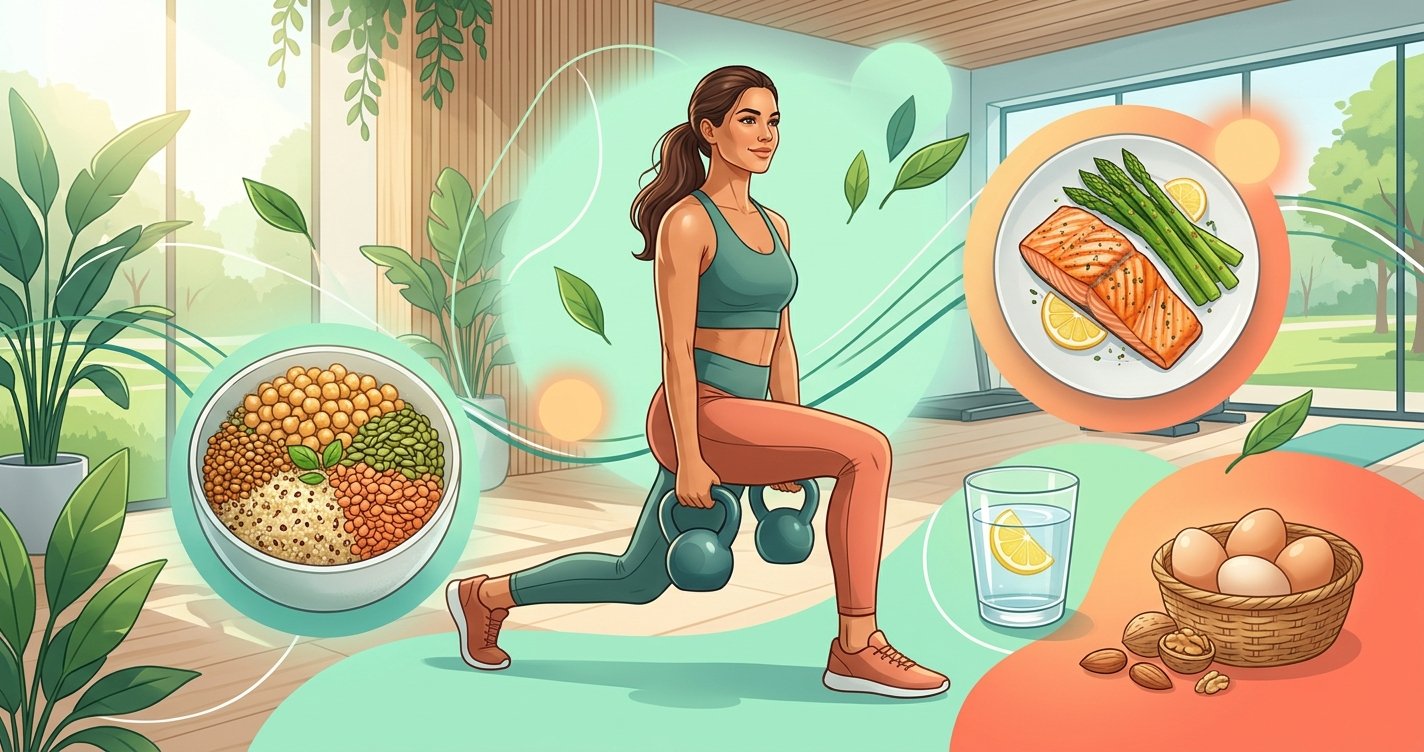
Unlock Your Fat Loss Potential with Protein: More Than Just Muscle Food!
Tired of restrictive diets that leave you hungry, irritable, and eventually back where you started? You’re not alone. The world of fat loss is often cluttered with quick fixes and unsustainable trends. But what if there was a powerful, evidence-based ally that could transform your journey, making it more satisfying, effective, and lasting? Enter protein – not just for bodybuilders, but for anyone serious about shedding fat, preserving muscle, and feeling fantastic.
This isn't about bland chicken and rice every meal, nor is it about extreme protein consumption. It’s about understanding the incredible, multifaceted role protein plays in your body’s fat-burning machinery and how to harness its power wisely. We're going to dive deep into why protein is your secret weapon, how much you truly need, and how to effortlessly weave it into your daily life for sustainable results. Get ready to ditch the deprivation and embrace a smarter, stronger path to fat loss. this excellent wellness product
Why Protein is Your Secret Weapon for Sustainable Fat Loss
Protein isn't just a nutrient; it's a strategic partner in your fat loss journey. Its benefits extend far beyond building brawn, influencing key physiological processes that directly impact how your body manages weight. Let's break down its core advantages:
- Unmatched Satiety: Protein keeps you feeling fuller, longer, significantly reducing cravings and overall calorie intake without feeling deprived.
- Metabolic Boost (Thermic Effect of Food): Your body expends more energy digesting protein compared to carbohydrates or fats, giving you a subtle yet consistent metabolic advantage.
- Muscle Preservation: Crucially, protein helps protect your precious muscle mass when you're in a calorie deficit, ensuring that the weight you lose is primarily fat, not metabolically active muscle.
Understanding these three pillars is fundamental to appreciating protein's role. It's not just about eating more; it's about eating smarter.
The Satiety Superpower: Taming Hunger and Cravings
One of the biggest hurdles in any fat loss effort is hunger. Those relentless cravings and stomach growls can derail even the most determined individual. This is where protein shines brightest. Protein has a profound impact on satiety, the feeling of fullness and satisfaction after a meal, more so than carbohydrates or fats.
How does it work? Protein influences several hormones that regulate appetite. It helps increase levels of hormones like PYY and GLP-1, which signal fullness to your brain, while simultaneously reducing ghrelin, the 'hunger hormone.' The result? You feel satisfied for longer periods, naturally reducing your urge to snack unnecessarily or overeat at subsequent meals. Imagine going about your day without constantly thinking about food – that's the protein difference!
Boost Your Metabolism: The Thermic Effect of Protein
Every time you eat, your body expends energy to digest, absorb, and metabolize the nutrients. This is known as the Thermic Effect of Food (TEF). While all macronutrients have a TEF, protein stands head and shoulders above the rest.
Approximately 20-30% of the calories from protein are burned off during digestion, compared to just 5-10% for carbohydrates and 0-3% for fats. This means that if you eat 100 calories of protein, your body might only net 70-80 calories after digestion. While it might seem like a small percentage, consistently choosing protein-rich foods adds up over time, contributing to a higher daily calorie expenditure and giving your metabolism a gentle, continuous nudge in the right direction. It's like a tiny, built-in calorie furnace!
Muscle Matters: Preserving Lean Mass While Shedding Fat
When you're aiming for fat loss, the goal isn't just to see the number on the scale drop; it's to lose fat while preserving as much lean muscle mass as possible. Why is this so important? Because muscle is metabolically active – it burns more calories at rest than fat does. Losing muscle while dieting can slow down your metabolism, making it harder to maintain your results long-term.
When you restrict calories, your body might start breaking down muscle for energy. Adequate protein intake is crucial here because it provides the amino acids your body needs to repair and build muscle, signaling to your body to hold onto that precious lean tissue. This is especially true when combined with resistance training, where protein becomes the building block for muscle repair and growth, further enhancing your body's fat-burning potential and creating a more toned physique.
How Much Protein Do You Really Need for Fat Loss?
While the standard Recommended Dietary Allowance (RDA) for protein is 0.8 grams per kilogram of body weight, this is merely a minimum to prevent deficiency. For active individuals aiming for fat loss and muscle preservation, current evidence suggests a significantly higher intake is beneficial.
Most experts recommend consuming between 1.6 to 2.2 grams of protein per kilogram of body weight per day for optimal fat loss, muscle preservation, and satiety. For example, a person weighing 70 kg (about 154 lbs) would aim for roughly 112 to 154 grams of protein daily. It's often easier to think in terms of grams per pound of body weight, which typically translates to 0.7 to 1 gram of protein per pound of body weight.
It's also beneficial to distribute your protein intake throughout the day, aiming for 20-40 grams per meal and snack, rather than consuming the bulk of it in one sitting. This helps optimize muscle protein synthesis and keeps you feeling full consistently.
Smart Protein Choices: Fueling Your Journey
Now that you know how much protein you need, let's talk about where to find it. The good news is, there's a vast array of delicious and nutritious protein sources available. Focus on whole, unprocessed options whenever possible.
Excellent Protein Sources:
- Lean Meats: Chicken breast, turkey, lean beef, pork loin.
- Fish & Seafood: Salmon, tuna, cod, shrimp, tilapia (rich in omega-3s too!).
- Eggs: A complete protein powerhouse, versatile and affordable.
- Dairy: Greek yogurt, cottage cheese, milk, whey protein powder (excellent for post-workout or quick snacks).
- Legumes: Lentils, chickpeas, black beans (also high in fiber!).
- Soy Products: Tofu, tempeh, edamame (great plant-based options).
- Nuts & Seeds: Almonds, peanuts, chia seeds, flax seeds (provide healthy fats and fiber too, but protein content is lower per serving than other sources).
Remember, variety is key! Explore different sources to ensure you're getting a wide range of amino acids and other essential nutrients.
Practical Tips to Power Up Your Plate
Integrating more protein into your diet doesn't have to be complicated or expensive. Here are some friendly, actionable tips to boost your intake effortlessly:
- Start Strong with Protein-Rich Breakfasts: Ditch sugary cereals. Opt for eggs, Greek yogurt with berries, cottage cheese, or a protein smoothie. This sets the tone for satiety throughout the day.
- Make Protein a Priority at Every Meal: When planning your meals, think about your protein source first. Build the rest of your meal around it with plenty of vegetables and complex carbohydrates.
- Smart Snacking: Instead of chips or cookies, reach for protein-packed snacks like a handful of almonds, a hard-boiled egg, a small container of cottage cheese, or a slice of turkey.
- Prep Ahead: Cook a batch of chicken breast or hard-boiled eggs at the beginning of the week for quick additions to salads, wraps, or as standalone snacks.
- Don't Fear the Powder: Protein powder (whey, casein, soy, pea) can be an incredibly convenient and efficient way to meet your protein targets, especially post-workout or when you're on the go.
- Combine Protein with Fiber: Pairing protein with fiber-rich vegetables, fruits, and whole grains enhances satiety even further and supports digestive health.
Embrace Your Protein-Powered Journey
Shifting your focus to adequate protein intake is one of the most effective, sustainable, and satisfying strategies for fat loss. It’s not about deprivation; it’s about strategic nourishment that empowers your body to burn fat more efficiently, preserve muscle, and keep hunger at bay.
By understanding protein's role in satiety, metabolism, and muscle preservation, you can take control of your fat loss journey with confidence and a renewed sense of energy. Start experimenting with these tips today, listen to your body, and enjoy the incredible benefits of a protein-powered lifestyle. Remember, sustainable change happens one smart choice at a time. Your stronger, leaner, and more vibrant self is within reach!