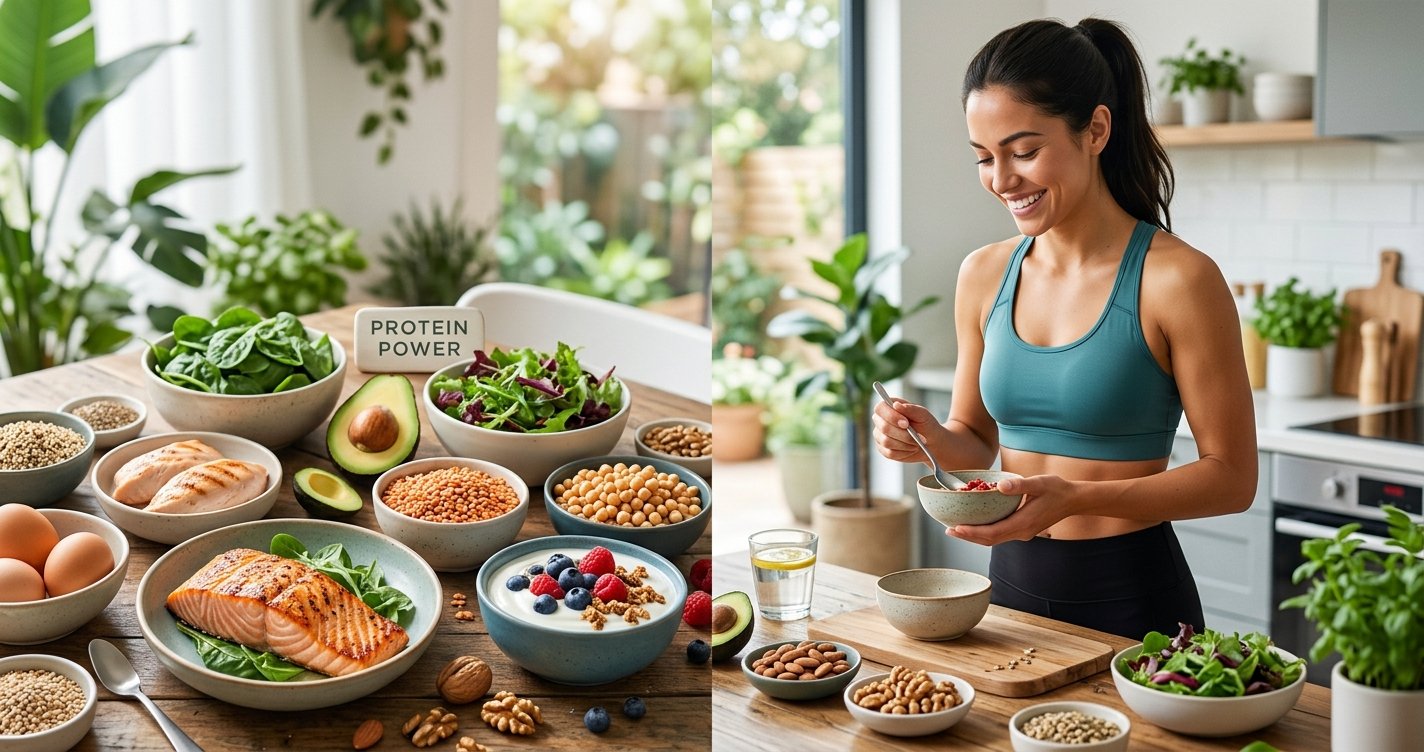
Protein Power: Your Ultimate Guide to Sustainable Fat Loss & A Healthier You
Are you tired of diet fads that promise quick results only to leave you feeling hungry, frustrated, and right back where you started? You’re not alone. The journey to sustainable fat loss can feel like a maze, filled with conflicting advice and restrictive eating plans. But what if there was a powerful, science-backed nutrient that could be your secret weapon, not just for shedding unwanted fat, but for truly transforming your body and relationship with food? Enter protein.
Often hailed by fitness enthusiasts, protein is more than just fuel for bodybuilders. It's an essential macronutrient that plays a critical role in almost every bodily function, and it’s a game-changer for anyone looking to lose fat effectively and keep it off for good. In this comprehensive guide, we'll dive deep into why protein is your best friend for fat loss, how much you really need, and practical ways to integrate more of this powerhouse nutrient into your daily life – all while keeping it friendly, evidence-based, and encouraging. this excellent wellness product
Why Protein is Your Secret Weapon for Fat Loss
Protein isn't just a building block for muscles; it's a metabolic marvel that can fundamentally change how your body processes food, manages hunger, and burns fat. Here’s how it works its magic:
The Satiety Factor: Feeling Fuller, Longer
One of the biggest challenges in fat loss is battling hunger and cravings. Protein is king when it comes to satiety – the feeling of fullness and satisfaction after a meal. Studies consistently show that a higher protein intake can significantly reduce appetite and keep you feeling satiated for longer periods compared to meals high in carbohydrates or fats.
- How it works: Protein influences several hormones that signal fullness to your brain, such as GLP-1, PYY, and cholecystokinin (CCK), while simultaneously reducing levels of ghrelin, the 'hunger hormone.' This means fewer distracting cravings, less mindless snacking, and ultimately, easier adherence to a calorie deficit.
Boosting Your Metabolism: The Thermic Effect of Food
Did you know that just eating food burns calories? This is known as the Thermic Effect of Food (TEF), or diet-induced thermogenesis. And guess which macronutrient has the highest TEF?
- Protein! Your body expends significantly more energy to digest, absorb, and metabolize protein (20-30% of its caloric value) compared to carbohydrates (5-10%) or fats (0-3%). This means that if you eat 100 calories of protein, your body uses 20-30 of those calories just to process it. Over the course of a day, this can add up to a notable increase in your overall calorie expenditure, giving your metabolism a gentle, continuous boost.
Preserving Muscle: The Key to a Revved-Up Metabolism
When you're in a calorie deficit to lose fat, your body can sometimes break down muscle tissue for energy, alongside fat. This is detrimental because muscle is metabolically active – it burns more calories at rest than fat does. Losing muscle can slow down your metabolism, making it harder to sustain fat loss and easier to regain weight.
- Protein to the rescue: A higher protein intake, especially when combined with resistance training, helps protect your precious muscle mass during a fat loss phase. By providing the amino acids needed for muscle repair and synthesis, protein signals to your body to prioritize burning fat while preserving lean tissue. This ensures your metabolism stays high, making your fat loss journey more efficient and sustainable.
How Much Protein Do You Really Need? (And When?)
The recommended daily allowance (RDA) for protein is 0.8 grams per kilogram of body weight, but for active individuals or those specifically aiming for fat loss, this amount is often insufficient. Current research suggests higher intakes are more beneficial.
General Guidelines vs. Individual Needs
For optimal fat loss and muscle preservation, a good starting point is to aim for 1.6 to 2.2 grams of protein per kilogram of body weight per day (or 0.7 to 1.0 grams per pound of body weight). For example, if you weigh 70 kg (154 lbs), you'd aim for roughly 112-154 grams of protein daily.
- Factors influencing your needs: Your activity level, age, current body composition, and specific fat loss goals can all impact your ideal protein intake. It's always a good idea to consult with a dietitian or healthcare professional for personalized advice.
Spreading Your Protein Intake Throughout the Day
Instead of trying to cram all your protein into one meal, aim to distribute it evenly across your meals and snacks. This helps maximize muscle protein synthesis, keeps you feeling consistently full, and helps regulate blood sugar levels.
- Target: Try to get 20-40 grams of protein at each main meal (breakfast, lunch, dinner) and include protein-rich snacks between meals if needed.
Delicious Ways to Boost Your Protein Intake
Incorporating more protein into your diet doesn't have to be bland or boring. There are countless delicious and versatile options to choose from:
Lean Meats and Poultry
- Chicken breast, turkey, lean beef (sirloin, round), pork tenderloin, fish (salmon, tuna, cod, tilapia).
- Tip: Grill, bake, or stir-fry your proteins with plenty of vegetables and herbs for flavorful, healthy meals.
Dairy and Eggs
- Greek yogurt (especially plain, high-protein varieties), cottage cheese, milk, cheese, eggs.
- Tip: Start your day with scrambled eggs or a Greek yogurt parfait. Cottage cheese makes a great snack with fruit.
Plant-Based Powerhouses
- Lentils, beans (black, kidney, chickpeas), tofu, tempeh, edamame, quinoa, seitan, spirulina.
- Tip: Incorporate bean-based chili, lentil soups, tofu stir-fries, or add edamame to salads.
Smart Snacking Options
- Hard-boiled eggs, a handful of almonds or walnuts, protein bars (check for low sugar), protein shakes, jerky, string cheese.
- Tip: Always pair a carbohydrate with a protein for sustained energy and satiety, e.g., an apple with a tablespoon of peanut butter.
Beyond Protein: Synergistic Strategies for Success
While protein is a powerful ally, sustainable fat loss is a holistic endeavor. For the best results, combine your increased protein intake with these complementary strategies:
Don't Forget Fiber and Healthy Fats
- Fiber: Found in fruits, vegetables, and whole grains, fiber enhances satiety, aids digestion, and helps stabilize blood sugar.
- Healthy Fats: Avocados, nuts, seeds, and olive oil are crucial for hormone production, nutrient absorption, and also contribute to satiety. Just be mindful of portion sizes as they are calorie-dense.
Hydration: The Unsung Hero
- Drinking enough water is vital for metabolic function, satiety, and overall health. Sometimes, thirst can be mistaken for hunger, so staying well-hydrated can prevent unnecessary snacking. Aim for at least 8 glasses a day, more if you're active.
Prioritize Sleep and Manage Stress
- Lack of sleep and chronic stress can wreak havoc on your hormones, increasing cortisol (a stress hormone) and ghrelin, while decreasing leptin (a satiety hormone). This can lead to increased cravings, fat storage, and difficulty losing weight. Aim for 7-9 hours of quality sleep and find healthy ways to manage stress, such as meditation, yoga, or spending time in nature.
Incorporate Strength Training
- Remember how protein helps preserve muscle? Strength training is the other crucial piece of that puzzle. Lifting weights or doing bodyweight exercises signals to your body to build and maintain muscle mass, further boosting your metabolism and improving your body composition.
Common Protein Myths Debunked
Let's clear up some common misconceptions that might be holding you back from embracing protein's full potential.
"Too Much Protein is Bad for Your Kidneys"
- For healthy individuals with normal kidney function, there is no scientific evidence to support the claim that a high-protein diet causes kidney damage. In fact, studies show that moderate to high protein intakes are safe and beneficial. However, if you have pre-existing kidney disease, it’s crucial to consult your doctor or a dietitian before increasing your protein intake.
"Protein Will Make Me Bulky"
- This is a common fear, especially among women. Building significant muscle mass requires intense training, a specific caloric surplus, and often, particular hormonal profiles that most people don't naturally possess. Eating more protein will primarily help you preserve and perhaps slightly increase lean muscle while losing fat, leading to a more toned and defined physique, not a bulky one.
Conclusion: Embrace Protein for a Healthier, Happier You
The journey to sustainable fat loss doesn't have to be a battle against your own body. By strategically increasing your protein intake, you can harness its power to boost satiety, rev your metabolism, and preserve muscle, making the process more manageable, enjoyable, and ultimately, more successful.
Remember, it's not about perfection, but consistency. Start by making small, actionable changes today. Swap a sugary snack for Greek yogurt, add an extra serving of lean protein to your dinner, or try a protein-packed smoothie for breakfast. Combine these protein-focused efforts with smart lifestyle choices – ample fiber, healthy fats, hydration, sleep, stress management, and strength training – and you’ll be well on your way to not just losing fat, but building a stronger, healthier, and happier you for the long run. You've got this!