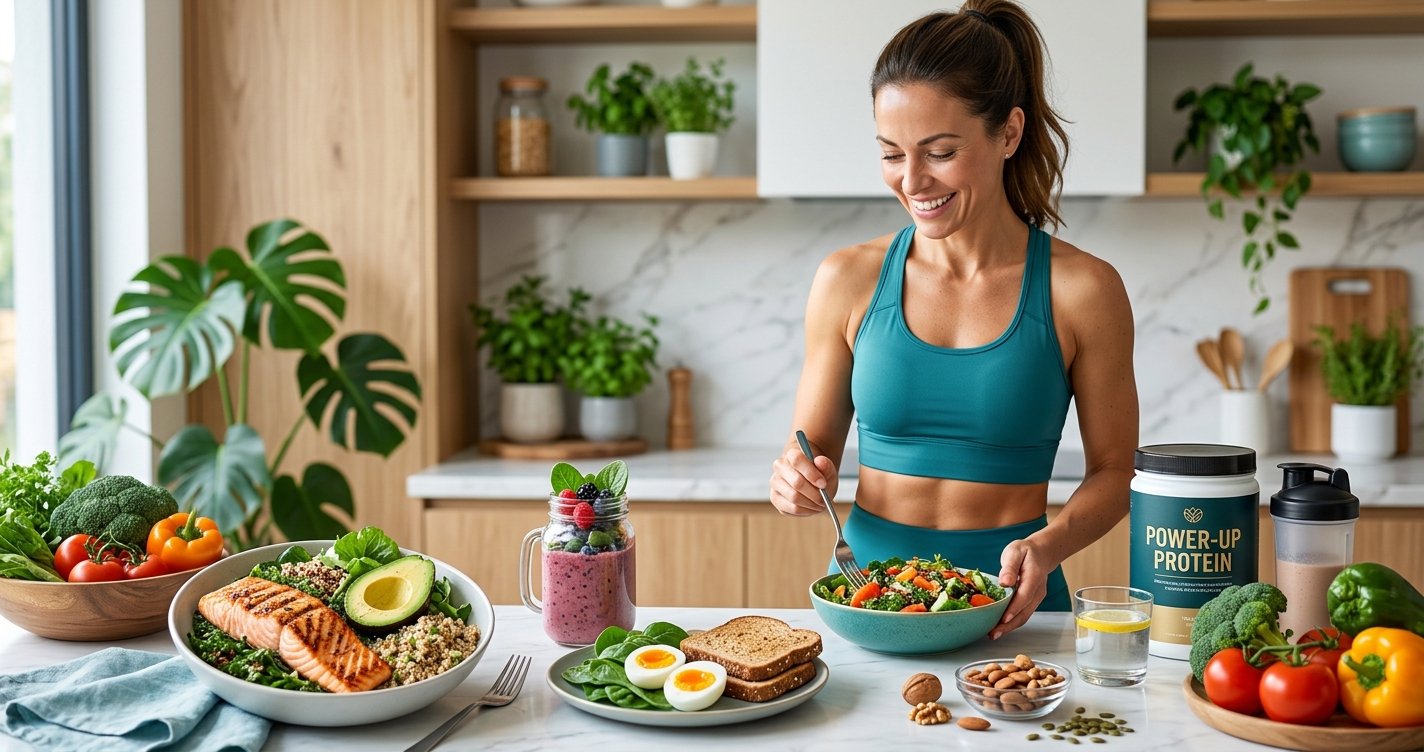
The Protein Power-Up: Your Secret Weapon for Sustainable Fat Loss
Are you tired of the endless cycle of restrictive diets, quick fixes, and the frustration of fat loss that just doesn't last? You’re not alone. Many people embark on a fat loss journey feeling overwhelmed, believing they need to starve themselves or eliminate entire food groups. But what if there was a powerful, science-backed ally that could make your journey not only more effective but also more enjoyable and sustainable?
Enter protein. Often associated solely with bodybuilders and athletes, protein is, in fact, an unsung hero for anyone looking to shed unwanted fat and keep it off. It’s not just about building muscle; it's about feeling full, boosting your metabolism, and preserving precious lean mass. In this friendly, evidence-based guide, we'll dive deep into why protein is your ultimate fat loss friend and how you can harness its power to achieve lasting results without feeling deprived. this excellent wellness product
Why Protein is Your Ultimate Fat Loss Ally
Protein isn't just another macronutrient; it's a fundamental building block for your body and a powerhouse when it comes to managing your weight. Its unique properties contribute to fat loss in several profound ways, making it an indispensable part of any successful strategy.
The Satiety Secret: Feeling Fuller, Longer
One of the biggest challenges in fat loss is battling hunger and cravings. This is where protein truly shines. Protein is renowned for its ability to promote satiety – that wonderful feeling of fullness and satisfaction after a meal. This isn't just a feeling; it's a physiological response.
When you consume protein, it stimulates the release of specific gut hormones, such as GLP-1 and PYY, which signal to your brain that you're fed and satisfied. Simultaneously, it helps suppress ghrelin, the 'hunger hormone.' The result? You feel fuller for longer, reducing the likelihood of mindless snacking, overeating at subsequent meals, and giving into those pesky cravings that can derail your progress. Incorporating adequate protein means fewer hunger pangs and greater control over your calorie intake, naturally.
Boosting Your Metabolism: The Thermic Effect of Food (TEF)
Every time you eat, your body expends energy to digest, absorb, and process the nutrients. This is known as the Thermic Effect of Food (TEF), and it varies significantly between macronutrients. Protein has the highest TEF of all three macronutrients.
While carbohydrates typically have a TEF of 5-10% and fats around 0-3%, protein boasts a TEF of 20-30%. This means that for every 100 calories of protein you consume, your body uses 20-30 calories just to process it. While not a massive calorie burn on its own, this metabolic advantage adds up over time, contributing to a slight but significant increase in your overall daily calorie expenditure. It's like a small, continuous metabolic boost working in your favor!
Muscle Matters: Preserving Lean Mass While Losing Fat
When you're in a calorie deficit (eating fewer calories than your body burns), your body will naturally tap into its energy stores. While the goal is to burn fat, there's always a risk of losing valuable muscle mass too, especially if your protein intake is insufficient. Losing muscle is detrimental because muscle tissue is metabolically active, meaning it burns more calories at rest than fat tissue.
Adequate protein intake is crucial for preserving lean muscle mass during fat loss. Protein provides the amino acids necessary for muscle protein synthesis, essentially telling your body to hold onto your hard-earned muscle. By maintaining or even building muscle while losing fat, you not only improve your body composition (looking more toned and sculpted) but also keep your metabolism humming along, making it easier to maintain your weight in the long run.
How Much Protein Do You Really Need for Fat Loss?
The Recommended Dietary Allowance (RDA) for protein is 0.8 grams per kilogram of body weight, but this is a minimum to prevent deficiency, not necessarily optimal for fat loss or active individuals. For effective and sustainable fat loss, research suggests a higher intake.
Most experts recommend aiming for a range of 1.6 to 2.2 grams of protein per kilogram of body weight per day. For example, if you weigh 70 kg (about 154 lbs), that would translate to roughly 112 to 154 grams of protein daily. If you're very active or significantly restricting calories, you might even benefit from the higher end of this range.
It's important to distribute your protein intake throughout the day, aiming for 20-40 grams per meal and snack. This consistent supply helps maximize muscle protein synthesis and keeps you feeling full. Remember, these are general guidelines, and individual needs can vary based on activity level, age, and health goals. Listening to your body and consulting with a healthcare professional or registered dietitian can help tailor your intake precisely.
Smart Strategies to Power Up Your Protein Intake
Knowing protein is important is one thing; actually incorporating enough into your daily diet is another. Here are practical, delicious ways to ensure you're getting enough protein to fuel your fat loss journey:
Prioritize Protein at Every Meal
Make protein the star of your plate, especially at breakfast. Starting your day with a good dose of protein can set you up for success, reducing hunger and cravings throughout the day. Think beyond just dinner!
- Breakfast: Scrambled eggs, Greek yogurt with berries, cottage cheese, a protein smoothie, or even leftover lean meat.
- Lunch & Dinner: Focus on lean protein sources like chicken breast, fish, lean beef, turkey, tofu, or lentils. Pair with plenty of vegetables and a smart portion of complex carbohydrates.
- Snacks: Instead of sugary or carb-heavy snacks, opt for protein-rich choices.
Embrace Variety: Delicious Protein Sources
There's a vast world of protein sources out there, so you never have to get bored!
- Lean Animal Proteins: Chicken breast, turkey, lean cuts of beef (sirloin, round), pork loin, salmon, tuna, cod, shrimp.
- Plant-Based Powerhouses: Lentils, chickpeas, black beans, kidney beans, edamame, tofu, tempeh, seitan, quinoa, nutritional yeast, hemp seeds, chia seeds.
- Dairy & Eggs: Greek yogurt (plain, unsweetened), cottage cheese, eggs, low-fat milk.
- Protein Powders (Optional): Whey, casein, soy, pea, or rice protein powders can be a convenient way to boost intake, especially post-workout or for quick shakes.
Meal Planning and Preparation for Success
The key to consistently hitting your protein goals is planning. Spend a little time each week preparing protein-rich components that you can easily add to meals.
- Batch Cook: Grill a large batch of chicken breasts or roast a tray of chickpeas and vegetables to use in salads, wraps, or stir-fries throughout the week.
- Smart Snacking: Keep hard-boiled eggs, Greek yogurt, or pre-portioned nuts (in moderation) readily available for quick, protein-packed snacks.
- Read Labels: Pay attention to the protein content on food labels, especially for packaged foods, to make informed choices.
Beyond Protein: Holistic Habits for Lasting Fat Loss
While protein is a mighty tool, it's part of a larger picture. Sustainable fat loss is achieved by combining several healthy habits:
- Calorie Deficit: Ultimately, you need to consume fewer calories than you burn. Protein helps you achieve this deficit more comfortably due to its satiety effects.
- Strength Training: Lifting weights is crucial for building and maintaining muscle, which further boosts your metabolism and improves body composition.
- Adequate Sleep: Poor sleep can disrupt hunger hormones and increase cravings, making fat loss harder. Aim for 7-9 hours of quality sleep per night.
- Hydration: Drinking plenty of water can help with satiety and overall bodily functions.
- Stress Management: Chronic stress can lead to increased cortisol levels, which can hinder fat loss. Find healthy ways to manage stress, such as meditation, yoga, or spending time in nature.
Embrace Your Protein Power!
Fat loss doesn't have to be a battle of deprivation and endless hunger. By strategically incorporating more protein into your diet, you can unlock a powerful ally that helps you feel fuller, boost your metabolism, and preserve your precious muscle mass. This isn't about restrictive dieting; it's about smart, sustainable nutrition that empowers you to achieve your goals and build a healthier, stronger you.
So, take a look at your next meal. Is protein taking center stage? If not, it's time to give it the spotlight it deserves. Start experimenting with new protein sources, plan your meals, and embrace the power of protein. Your body (and your fat loss journey) will thank you!