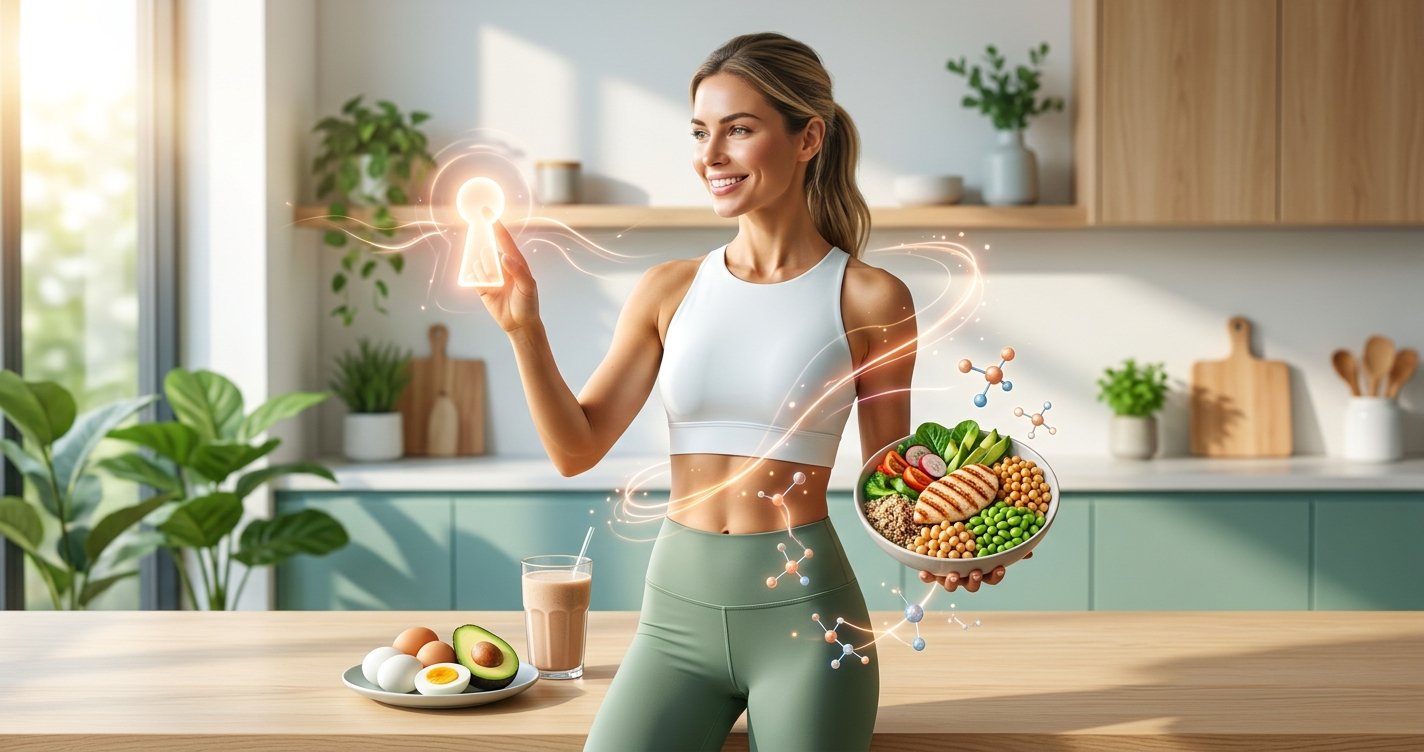
Tired of the Fat Loss Rollercoaster? Discover Protein's Secret
Have you ever been caught in the relentless cycle of dieting? You restrict, you lose weight rapidly, you celebrate, and then... it all comes back, often with a few extra pounds for good measure. It's frustrating, disheartening, and frankly, exhausting. The truth is, most quick-fix diets are designed for short-term results, not sustainable, long-term success. They often leave you feeling deprived, sluggish, and constantly battling hunger.
But what if there was a way to approach fat loss that felt less like a punishment and more like a powerful, supportive journey? A strategy that helps you feel fuller, maintain your precious muscle, and even boost your metabolism? Enter protein – your ultimate ally in the quest for sustainable fat loss. In this evidence-based, friendly guide, we'll dive deep into why protein isn't just important, but absolutely crucial for ditching the diet drama and achieving lasting results. this excellent wellness product
Why Quick Fixes Fail: The Diet Rollercoaster Explained
The allure of rapid weight loss is undeniable. Promises of shedding pounds in days or weeks often lead us down paths of extreme calorie restriction, juice cleanses, or highly restrictive food lists. While the scale might move quickly initially, these approaches come with significant downsides:
- Muscle Loss: When you drastically cut calories without adequate protein, your body often breaks down muscle for energy, not just fat. Muscle is metabolically active, meaning it burns more calories at rest. Losing muscle slows down your metabolism, making it harder to keep weight off long-term.
- Metabolic Slowdown: Your body is smart. When it senses a severe calorie deficit, it adapts by slowing down its metabolic rate to conserve energy. This makes subsequent fat loss even harder.
- Nutrient Deficiencies: Highly restrictive diets often lack essential vitamins, minerals, and fiber, impacting your energy, mood, and overall health.
- Unsustainability: Let's be real – who can maintain a liquid-only diet or eat only grapefruit for the rest of their life? These plans are impossible to stick to, leading to eventual rebound eating and weight regain.
- Increased Cravings and Hunger: Deprivation often leads to intense cravings and a constant battle with hunger, making adherence nearly impossible.
It's clear: for lasting fat loss, we need a different approach. One that supports our body, satisfies our hunger, and fits into a real, enjoyable life. This is where protein truly shines.
Enter Protein: Your MVP for Sustainable Fat Loss
Protein is one of the three macronutrients (along with carbohydrates and fats) that our bodies need in large amounts. It's the building block for practically everything – muscles, bones, skin, hair, and enzymes. But its role in fat loss goes far beyond just building biceps. Let's explore its incredible benefits:
1. The Satiety Superstar – Feeling Fuller, Longer
One of protein's most powerful attributes is its ability to make you feel full and satisfied. When you eat protein, it triggers the release of specific hormones in your gut, like PYY and GLP-1, which signal satiety to your brain. It also helps suppress ghrelin, the 'hunger hormone'.
Think about it: a breakfast of sugary cereal versus one with eggs and Greek yogurt. Which one leaves you rummaging for snacks an hour later? Studies consistently show that higher protein diets lead to reduced hunger and less overall calorie intake throughout the day. This isn't about willpower; it's about working with your body's natural hunger cues, not against them.
2. The Thermic Effect – Burn More Calories Just By Eating
Did you know your body expends energy just to digest and process the food you eat? This is called the Thermic Effect of Food (TEF). And protein has the highest TEF of all macronutrients!
- Protein: 20-30% of its calories are burned during digestion.
- Carbohydrates: 5-10%
- Fats: 0-3%
This means that if you eat 100 calories of protein, your body uses 20-30 calories just to process it. While it might seem like a small amount per meal, these calories add up over a day, contributing to a slightly higher overall calorie expenditure without any extra effort from you. It's like a mini metabolic boost with every bite!
3. Muscle Protector – Preserve Your Metabolism
When you're in a calorie deficit (eating fewer calories than you burn), your body will naturally try to lose weight. The goal is to lose fat, not muscle. As mentioned earlier, muscle is your metabolic powerhouse. The more muscle you have, the higher your resting metabolic rate (RMR), meaning you burn more calories even at rest.
Adequate protein intake during fat loss helps preserve your lean muscle mass. It provides the necessary amino acids for muscle repair and synthesis, signaling to your body that it should hold onto muscle tissue while tapping into fat stores for energy. This is crucial for maintaining a healthy metabolism and preventing the dreaded metabolic slowdown that often accompanies traditional dieting.
4. Cravings Crusher – Stabilize Blood Sugar
Ever notice how a sugary snack gives you a quick energy spike, only to be followed by an inevitable crash and even more intense cravings? This is often due to rapid fluctuations in blood sugar. Protein helps to slow down the absorption of glucose into your bloodstream, leading to a more gradual and stable release of energy.
This stability helps prevent those dramatic blood sugar spikes and crashes, which are often triggers for intense cravings and overeating. By keeping your blood sugar steady, protein helps you feel more energetic, focused, and less prone to reaching for unhealthy comfort foods.
How Much Protein Do You Really Need for Fat Loss?
While general recommendations for protein are around 0.8 grams per kilogram of body weight for sedentary individuals, those aiming for fat loss (especially while exercising) often benefit from higher amounts.
A good starting point for fat loss is typically:
- 1.6 to 2.2 grams of protein per kilogram of body weight
- Or, roughly 0.7 to 1 gram of protein per pound of target body weight
For example, if you weigh 70 kg (about 154 lbs), aiming for 1.6-2.2g/kg would be 112-154 grams of protein per day. It might sound like a lot, but by distributing it across your meals and snacks, it's very achievable.
The key is to spread your protein intake throughout the day rather than trying to consume it all in one sitting. Aim for 20-40 grams of protein per meal, and include protein in your snacks.
Protein Power on Your Plate: Practical Tips & Sources
Integrating more protein into your diet doesn't have to be complicated or bland. Here are some excellent sources and easy tips:
Top Protein Sources:
- Lean Meats: Chicken breast, turkey, lean beef (sirloin, round), pork loin.
- Fish & Seafood: Salmon, tuna, cod, shrimp, tilapia (rich in omega-3s too!).
- Eggs: A versatile and complete protein source.
- Dairy: Greek yogurt, cottage cheese, milk, kefir (opt for low-fat or fat-free versions for fat loss).
- Legumes: Lentils, black beans, chickpeas, kidney beans (also great fiber sources!).
- Plant-Based Proteins: Tofu, tempeh, edamame, seitan.
- Protein Powders: Whey, casein, soy, pea, or rice protein can be convenient for shakes or adding to recipes.
Easy Ways to Boost Protein Intake:
- Start with Protein-Rich Breakfasts: Scrambled eggs, Greek yogurt with berries, cottage cheese, or a protein smoothie.
- Include Protein in Every Meal: Ensure your lunch and dinner plates feature a significant protein source.
- Smart Snacking: Instead of chips, grab a handful of almonds, a hard-boiled egg, or a Greek yogurt.
- Plan Ahead: Meal prepping can ensure you always have protein-rich options available. Cook a batch of chicken or lentils at the beginning of the week.
- Read Labels: Be aware of the protein content in your favorite foods.
- Don't Fear the Freezer Aisle: Frozen edamame, shrimp, or pre-cooked chicken strips can be quick, healthy protein additions.
Beyond Protein: Holistic Habits for Lasting Fat Loss
While protein is a superstar, it's part of a winning team. For truly sustainable fat loss, remember to combine your protein focus with these other essential habits:
- Calorie Deficit: Ultimately, fat loss requires consuming fewer calories than you burn. Protein makes achieving this deficit much easier and more comfortable.
- Strength Training: Lifting weights is crucial for building and preserving muscle, which further boosts your metabolism.
- Hydration: Drink plenty of water throughout the day. Sometimes thirst is mistaken for hunger.
- Quality Sleep: Lack of sleep can disrupt hunger hormones and increase cravings. Aim for 7-9 hours per night.
- Stress Management: Chronic stress can lead to increased cortisol levels, which can hinder fat loss and encourage fat storage around the midsection.
- Mindful Eating: Pay attention to your hunger and fullness cues. Eat slowly and savor your meals.
Your Sustainable Fat Loss Journey Starts Now!
Ditching the cycle of restrictive diets and embracing a sustainable approach to fat loss is a game-changer. By making protein a cornerstone of your diet, you're not just aiming for a number on the scale; you're investing in a healthier, more energetic, and more satisfied you.
Remember, this isn't about perfection, but about consistent, positive choices. Start small, focus on adding more protein to each meal, and watch how your body responds. You'll likely feel fuller, have more energy, and notice a significant difference in your ability to manage cravings and achieve lasting results. Embrace the power of protein, and step off the diet rollercoaster for good!