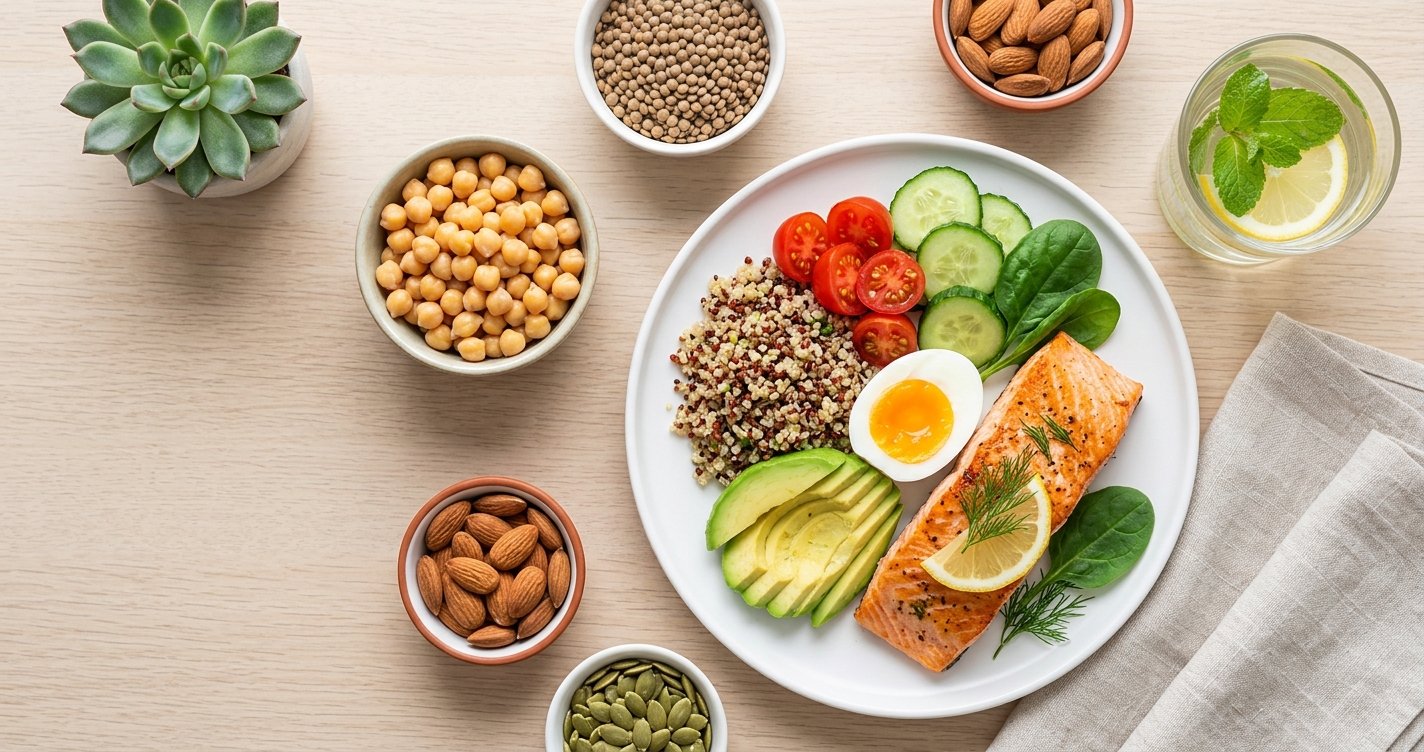
Protein Power: Your Ultimate Guide to Sustainable Fat Loss
So, you're on a journey to shed some fat and feel your best. That's fantastic! You've probably heard a lot of advice – some good, some… not so much. But if there's one nutritional superstar that consistently shines in the world of fat loss, it's protein. Forget restrictive diets and endless cardio; embracing the power of protein is a game-changer for achieving sustainable results without feeling deprived.
In this comprehensive, evidence-based guide, we're going to dive deep into why protein is your best friend for fat loss, how much you truly need, the best sources to fuel your body, and practical tips to weave it seamlessly into your daily life. Get ready to transform your approach to eating and unlock a more effective, enjoyable path to your fat loss goals! this excellent wellness product
Why Protein is Your Fat Loss MVP (Most Valuable Player)
Protein isn't just for bodybuilders. It plays several crucial roles that make it incredibly effective for anyone looking to lose fat and maintain a healthy weight. Let's break down its superpowers:
The Satiety Superstar: Keeping Cravings at Bay
One of the biggest challenges in fat loss is managing hunger and cravings. This is where protein truly shines! Protein is known for its incredible ability to promote satiety – that feeling of fullness and satisfaction. When you consume adequate protein, your body releases hormones like GLP-1 and CCK, which signal to your brain that you're full. This means fewer hunger pangs, less mindless snacking, and ultimately, a reduced overall calorie intake without feeling like you're constantly fighting your appetite. Imagine feeling satisfied after meals, making it easier to stick to your plan without succumbing to those tempting treats!
Fueling the Fire: The Thermic Effect of Food
Did you know that your body expends energy just to digest and process the food you eat? This is called the 'Thermic Effect of Food' (TEF), and protein has the highest TEF among all macronutrients. While carbohydrates have a TEF of 5-10% and fats have 0-3%, protein boasts an impressive 20-30%. This means that for every 100 calories of protein you consume, your body burns 20-30 calories just to digest and absorb it. It’s a small but significant metabolic boost that adds up over time, helping you burn more calories throughout the day without even trying.
Protecting Your Powerhouse: Preserving Muscle Mass
When you're in a calorie deficit (eating less than you burn) to lose fat, there's always a risk of losing precious muscle mass along with fat. This is something you want to avoid! Muscle is metabolically active tissue, meaning it burns more calories at rest than fat does. Losing muscle can slow down your metabolism, making it harder to lose weight and easier to regain it. Protein plays a vital role in preserving muscle mass during weight loss, especially when combined with resistance training. It provides the amino acids necessary for muscle repair and growth, ensuring that your body primarily taps into fat stores for energy, not your hard-earned muscle.
How Much Protein Do You Really Need for Fat Loss?
This is a common question, and the answer isn't a one-size-fits-all, but there are clear evidence-based guidelines.
General Guidelines and Individual Needs
While the Recommended Dietary Allowance (RDA) for protein is 0.8 grams per kilogram of body weight, this is generally considered the minimum to prevent deficiency, not necessarily optimal for fat loss or active individuals. For fat loss, most research suggests a higher intake. A good starting point is often 1.6 to 2.2 grams of protein per kilogram of body weight per day (or 0.7 to 1.0 grams per pound of body weight). For example, if you weigh 70 kg (about 154 lbs), aiming for 112-154 grams of protein daily would be beneficial.
Factors like your activity level, age, and current body composition can influence these recommendations. If you're very active or engaging in regular strength training, you might benefit from the higher end of this range.
Spreading the Wealth: Optimizing Intake Throughout the Day
Instead of trying to cram all your protein into one meal, aim to distribute your protein intake relatively evenly across 3-5 meals and snacks throughout the day. This approach helps maximize muscle protein synthesis (the process of building and repairing muscle) and keeps you feeling fuller for longer. For example, if you're aiming for 120 grams of protein, try to get 25-40 grams per meal.
Smart Protein Choices: Beyond the Chicken Breast
Variety is the spice of life, and it certainly applies to protein sources! While chicken breast is a fantastic option, there's a whole world of delicious, high-quality proteins to explore.
Lean Meats and Poultry
- Chicken and Turkey: Breast and lean ground options are excellent.
- Lean Beef: Sirloin, tenderloin, and lean ground beef are great sources.
- Pork: Tenderloin and lean chops.
Dairy Delights
- Greek Yogurt: High in protein, versatile, and great for snacks or breakfast.
- Cottage Cheese: Another protein powerhouse, especially good before bed.
- Milk: A good source of protein and calcium.
- Whey or Casein Protein Powder: Convenient and effective for boosting intake, especially post-workout.
Plant-Powered Protein
- Legumes: Lentils, chickpeas, black beans, kidney beans – versatile and fiber-rich.
- Tofu and Tempeh: Excellent sources for plant-based diets, great in stir-fries and salads.
- Edamame: Perfect for snacking or adding to dishes.
- Quinoa: A complete protein grain.
- Nuts and Seeds: Almonds, peanuts, chia seeds, flax seeds – also provide healthy fats.
- Plant-Based Protein Powders: Pea, rice, hemp protein can be good alternatives.
The Role of Protein Supplements
Protein supplements, like whey, casein, or plant-based powders, are not magic pills. However, they can be incredibly useful tools to help you meet your daily protein targets, especially when you're busy or struggling to get enough from whole foods alone. They are convenient for post-workout recovery or as a quick snack.
Integrating Protein into Your Daily Routine (Practical Tips)
Making protein a priority doesn't have to be complicated. Here are some simple ways to boost your intake:
- Start Strong with Breakfast: Ditch the sugary cereal. Opt for Greek yogurt with berries, eggs with spinach, a protein smoothie, or cottage cheese.
- Pack Protein-Rich Snacks: Hard-boiled eggs, a handful of almonds, a protein bar, or a small container of cottage cheese can keep hunger at bay between meals.
- Prioritize Protein at Every Meal: Aim to make protein the centerpiece of your lunch and dinner. Think grilled salmon, chicken salad, lean beef stir-fry, or a hearty lentil soup.
- Sneak It In: Add a scoop of unflavored protein powder to oatmeal, blend it into sauces, or mix it into pancake batter.
- Meal Prep for Success: Cook larger batches of lean protein (chicken breast, ground turkey, lentils) at the beginning of the week to easily add to your meals.
- Hydrate: While not directly protein, drinking plenty of water can often be confused with hunger signals and helps with overall digestion and satiety.
Beyond Protein: The Holistic Approach to Sustainable Fat Loss
While protein is a powerful ally, remember that it's part of a larger picture. For sustainable fat loss, also focus on:
- Balanced Nutrition: Include plenty of fiber-rich vegetables, fruits, and healthy fats.
- Strength Training: Crucial for building and preserving muscle mass, which boosts your metabolism.
- Adequate Sleep: Poor sleep can disrupt hunger hormones and make fat loss harder.
- Stress Management: Chronic stress can lead to increased cortisol levels, which can hinder fat loss.
- Consistency: Small, consistent changes yield the best long-term results.
Your Protein-Powered Journey Starts Now!
Embracing a higher protein intake isn't about restriction; it's about empowerment. It's about fueling your body intelligently, feeling satisfied, preserving your muscle, and revving up your metabolism. By making protein a cornerstone of your diet, you're not just losing fat – you're building a stronger, healthier, and more vibrant you. So, go ahead, stock up on those lean proteins, experiment with new recipes, and enjoy the incredible benefits. Your sustainable fat loss journey, powered by protein, is well underway!