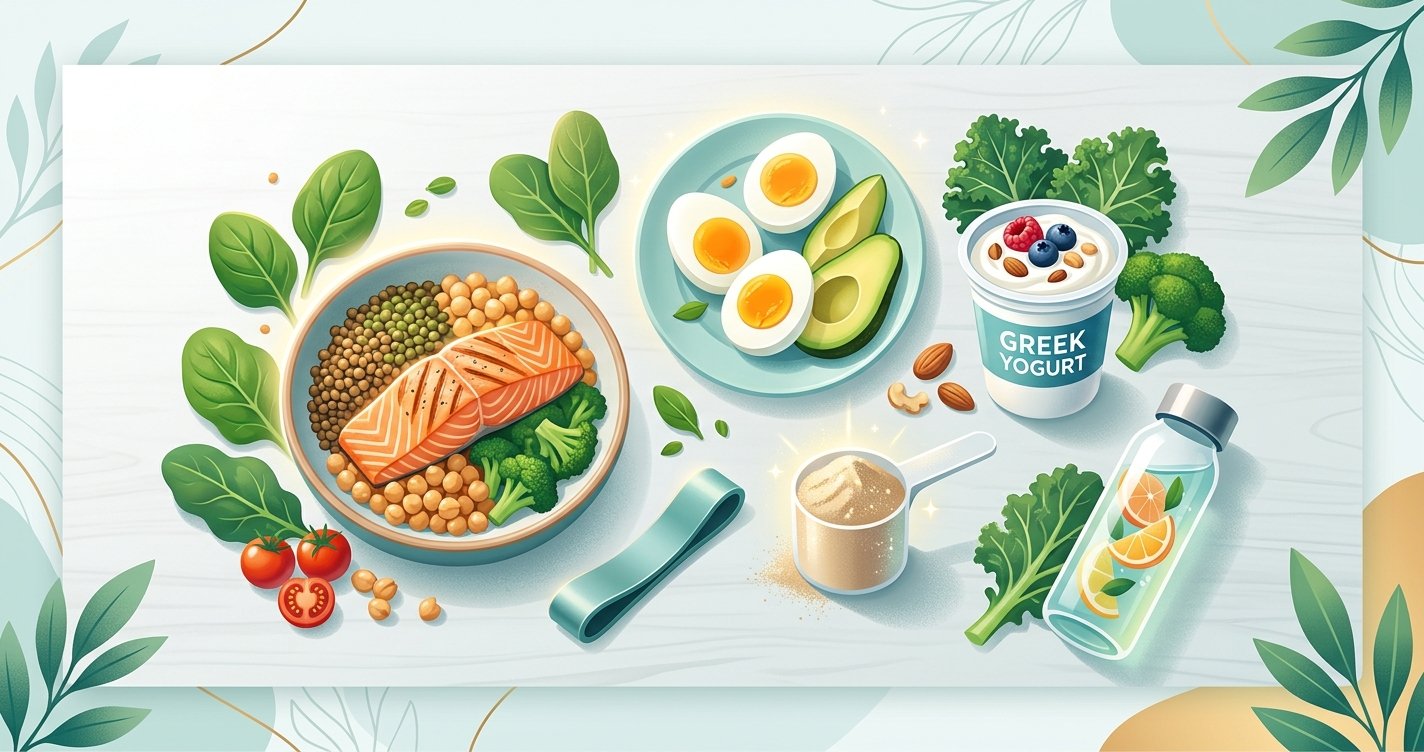
When it comes to shedding those stubborn pounds, many of us instinctively cut calories and hit the cardio machine. While calorie deficit is undeniably crucial, there's one powerful nutrient that often doesn't get the spotlight it deserves: protein. Far from being just for bodybuilders, protein is a game-changer for anyone serious about sustainable fat loss, muscle preservation, and feeling great throughout the journey.
Forget the fad diets and extreme restrictions. This isn't just about losing weight; it's about transforming your body composition, boosting your metabolism, and building a healthier, stronger you. And protein is your ultimate ally in this mission. Let's dive into the science-backed reasons why prioritizing protein is the smart, sustainable path to achieving your fat loss goals. this excellent wellness product
The Protein Advantage: Why It's Your Fat Loss Ally
Protein isn't just a building block; it's a metabolic marvel. Its unique properties make it incredibly effective for fat loss, working on multiple fronts to help you achieve your goals without feeling deprived.
Boosting Your Metabolism with the Thermic Effect
Every time you eat, your body expends energy to digest, absorb, and metabolize the nutrients. This is known as the Thermic Effect of Food (TEF). What’s fascinating is that not all macronutrients are created equal in this regard. Protein has the highest TEF of all. Roughly 20-30% of the calories from protein are burned just during the digestion process, compared to 5-10% for carbohydrates and 0-3% for fats. This means that by simply increasing your protein intake, you're giving your metabolism a continuous, subtle boost, helping you burn more calories around the clock.
The Satiety Secret: Feeling Fuller for Longer
One of the biggest challenges in any fat loss journey is managing hunger and cravings. This is where protein truly shines as a satiety superstar. Protein is far more satiating than carbs or fats, meaning it keeps you feeling fuller and more satisfied for longer periods. This isn't just anecdotal; studies consistently show that higher protein diets lead to reduced appetite, fewer cravings, and ultimately, a lower overall calorie intake without conscious effort. By curbing hunger, protein helps you stick to your calorie deficit more easily, making the entire process feel less like a battle and more like a natural progression.
Protecting Your Gains: Protein and Muscle Preservation
When you're losing weight, your body doesn't just burn fat; it can also break down muscle tissue, especially if you're not consuming enough protein or engaging in resistance training. Losing muscle is detrimental to fat loss because muscle is metabolically active, meaning it burns more calories at rest than fat does. Preserving your lean muscle mass is absolutely critical for maintaining a healthy metabolism and achieving a lean, toned physique.
Protein provides the essential amino acids your body needs to repair and build muscle tissue. When you're in a calorie deficit, your body is in a catabolic state (breaking down tissues). Adequate protein intake, especially when combined with strength training, signals to your body that it needs to hold onto its muscle, preferentially burning fat for energy instead. This leads to a more favorable body composition – less fat, more muscle – even if the number on the scale doesn't drop dramatically.
How Much Protein Do You Really Need for Fat Loss?
The recommended daily allowance (RDA) for protein is often cited as 0.8 grams per kilogram of body weight. However, for active individuals or those specifically aiming for fat loss and muscle preservation, this amount is generally considered too low. Research suggests that a higher protein intake is more beneficial for these goals.
- General Guideline: Aim for approximately 1.6 to 2.2 grams of protein per kilogram of body weight (or roughly 0.7 to 1 gram per pound of body weight).
- For example, if you weigh 70 kg (about 154 lbs), you'd be looking at 112-154 grams of protein per day.
- If you're very active or have a significant amount of muscle mass, you might even benefit from slightly higher amounts, closer to the upper end of that range.
Remember, these are guidelines. Listen to your body and adjust as needed, but always ensure you're hitting at least the lower end of the recommended range for fat loss.
Smart Protein Choices: Fueling Your Body Right
Getting enough protein doesn't have to be complicated. Focus on incorporating a variety of high-quality sources into your diet.
Whole Food Powerhouses
- Lean Meats: Chicken breast, turkey, lean beef, pork loin.
- Fish & Seafood: Salmon, tuna, cod, shrimp (packed with omega-3s too!).
- Eggs: A complete protein source, versatile and affordable.
- Dairy: Greek yogurt, cottage cheese, milk (excellent sources of casein and whey protein).
- Legumes & Lentils: Beans, chickpeas, lentils (great for plant-based options).
- Nuts & Seeds: Almonds, peanuts, chia seeds, flax seeds (also provide healthy fats and fiber).
When Supplements Can Help
While whole foods should always be your primary source, protein powders can be a convenient and effective way to meet your daily protein targets, especially if you have a busy lifestyle or specific dietary needs. Whey protein, casein protein, and plant-based proteins (like pea or rice protein) are popular choices. They're excellent for post-workout recovery or as a quick, satiating snack.
Timing and Spreading: Maximizing Protein's Benefits
It's not just about how much protein you eat, but also when and how you spread it throughout the day. Your body can only process a certain amount of protein for muscle synthesis at one time. Therefore, it's more beneficial to distribute your protein intake across multiple meals and snacks, rather than trying to get it all in one sitting.
- Aim for 20-40 grams of protein per meal, roughly 3-5 times a day.
- Include a protein source with every main meal and snack.
- Consuming protein around your workouts (both before and after) can further optimize muscle repair and growth.
- A protein-rich breakfast can set you up for success by reducing hunger throughout the day.
Building Your High-Protein Fat Loss Plan
Ready to put protein to work for your fat loss goals? Here’s how to integrate it seamlessly into your daily routine:
- Prioritize Protein at Each Meal: Make protein the star of your plate, then add vegetables, healthy fats, and complex carbs.
- Smart Snacking: Opt for protein-rich snacks like Greek yogurt, a handful of nuts, hard-boiled eggs, or cottage cheese.
- Don't Skip Breakfast: Start your day with protein (e.g., eggs, protein smoothie, Greek yogurt) to kickstart your metabolism and manage hunger.
- Combine with Fiber: Pair protein with fiber-rich vegetables and whole grains for even greater satiety and nutritional benefits.
- Hydrate: Drink plenty of water throughout the day, as protein digestion requires adequate hydration.
- Strength Train: Remember, protein works best for muscle preservation and growth when coupled with resistance exercise.
Conclusion: Embrace Protein for Lasting Results
Protein is far more than just a nutrient; it's a powerful tool for sustainable fat loss, muscle preservation, and overall health. By understanding its role in boosting metabolism, enhancing satiety, and protecting lean mass, you can strategically incorporate it into your diet to achieve your body composition goals more effectively and enjoyably. So, next time you're planning your meals, remember to make protein your priority. Your body, your energy levels, and your fat loss journey will thank you for it!