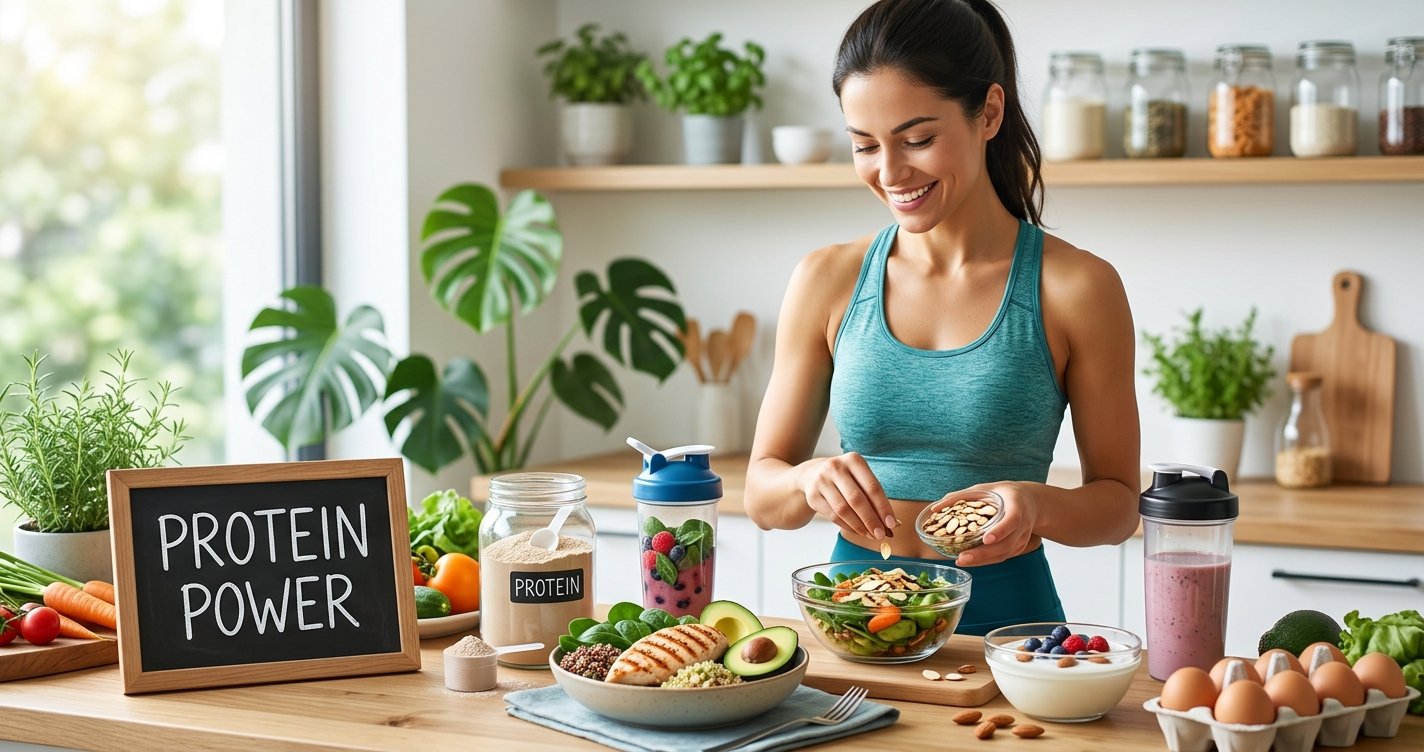
In the often-confusing world of fat loss, countless diets and strategies vie for your attention. But what if there was one key nutritional player that consistently delivers results, helps you feel full, and protects your precious muscle? Enter protein! Often associated with bodybuilders, protein is, in fact, an unsung hero for anyone on a journey to lose fat sustainably and improve their overall health. This isn't about extreme diets or deprivation; it's about understanding how to leverage the power of protein to make your fat loss journey more effective, enjoyable, and lasting.
Forget the old myths that protein is just for 'gains.' Today, we’re diving deep into the evidence-based reasons why prioritizing protein can be your most valuable strategy for achieving your fat loss goals, all while keeping your metabolism humming and your body strong. this excellent wellness product
Why Protein is Your Fat Loss MVP (Most Valuable Player)
When it comes to shedding unwanted fat, not all calories are created equal. Protein stands out for several compelling reasons that make it an indispensable part of any successful fat loss plan. Let's break down its superpowers.
Satiety: Feeling Fuller, Longer
One of the biggest challenges in a calorie deficit is managing hunger and cravings. This is where protein truly shines. Protein has a profound effect on satiety, meaning it helps you feel full and satisfied for longer periods compared to carbohydrates or fats. This isn't just a feeling; it's backed by science. Protein influences the release of gut hormones like PYY and GLP-1, which signal fullness to your brain, while simultaneously reducing levels of ghrelin, the 'hunger hormone.' By incorporating adequate protein into your meals, you're less likely to succumb to mindless snacking or overeating, making it easier to stick to your calorie goals without feeling deprived.
The Thermic Effect of Food (TEF): Burning More Calories
Did you know that your body burns calories just to digest, absorb, and metabolize the food you eat? This is known as the Thermic Effect of Food (TEF), and protein has the highest TEF of all macronutrients. While carbohydrates typically have a TEF of 5-10% and fats 0-3%, protein boasts a TEF of 20-30%. This means that for every 100 calories of protein you consume, your body uses 20-30 of those calories just to process it. While not a massive calorie burner on its own, this consistent boost adds up over time and gives you a metabolic edge, helping you burn slightly more calories throughout the day without any extra effort.
Muscle Preservation: The Key to a Faster Metabolism
When you're in a calorie deficit to lose fat, your body doesn't just burn fat; it can also start breaking down muscle tissue for energy. This is a major problem because muscle is metabolically active, meaning it burns more calories at rest than fat does. Losing muscle can slow down your metabolism, making future fat loss harder and increasing the risk of regaining weight. This is often why people feel 'skinny fat' – they've lost weight but also a lot of muscle. Adequate protein intake is crucial for preserving lean muscle mass during a fat loss phase. It provides the essential amino acids your body needs to repair and build muscle, ensuring that the weight you lose is primarily fat, not valuable muscle tissue.
How Much Protein Do You Really Need for Fat Loss?
The recommended daily allowance (RDA) for protein is 0.8 grams per kilogram of body weight, but this is a minimum to prevent deficiency, not necessarily optimal for fat loss or active individuals. For effective fat loss and muscle preservation, research suggests a higher intake. A good general guideline is to aim for 1.6 to 2.2 grams of protein per kilogram of body weight per day (or roughly 0.7 to 1.0 grams per pound of body weight). For example, a 70kg (154lb) individual would aim for approximately 112-154 grams of protein daily. This range might seem high, but it's specifically tailored to support satiety and muscle retention during a calorie deficit. Don't worry about 'too much protein' unless you have pre-existing kidney conditions; for healthy individuals, these levels are generally safe and beneficial.
Smart Strategies to Boost Your Protein Intake
Increasing your protein intake doesn't have to be complicated or boring. With a few simple adjustments, you can easily incorporate more protein into your daily routine.
Prioritize Protein at Every Meal
Instead of thinking of protein as an afterthought, make it the cornerstone of each meal. Aim for 20-40 grams of protein per meal. For breakfast, swap sugary cereals for eggs, Greek yogurt, or a protein smoothie. At lunch and dinner, build your plate around lean protein sources like chicken breast, fish, lean beef, turkey, or plant-based options like tofu, tempeh, and lentils. Distributing your protein intake evenly throughout the day helps maximize muscle protein synthesis and keeps you feeling satisfied.
Snack Smart with Protein
Mid-morning or afternoon slumps are prime times for unhealthy snacking. Prepare protein-rich snacks to curb hunger and keep your energy stable. Think cottage cheese, a handful of almonds, hard-boiled eggs, beef jerky, a small container of Greek yogurt, or a protein shake. These options are far more satiating than chips or cookies and provide valuable nutrients.
Choosing Quality Protein Sources
Focus on a variety of whole, minimally processed protein sources. Here are some excellent choices:
- Lean Meats & Poultry: Chicken breast, turkey, lean beef, pork tenderloin.
- Fish & Seafood: Salmon, tuna, cod, shrimp (rich in omega-3s!).
- Dairy Products: Greek yogurt, cottage cheese, milk, cheese (in moderation).
- Eggs: A complete protein powerhouse.
- Plant-Based Proteins: Lentils, beans, chickpeas, tofu, tempeh, edamame, quinoa, seitan, nuts, and seeds.
- Protein Powders: Whey, casein, soy, pea, or rice protein can be convenient supplements, especially for busy individuals or post-workout.
Beyond the Plate: Protein's Role in Recovery and Performance
Protein isn't just about weight loss; it's fundamental to your overall physical well-being. If you're incorporating exercise into your fat loss journey (which is highly recommended!), protein plays a critical role in muscle repair and recovery after workouts. Consuming protein after physical activity helps repair the tiny tears in muscle fibers, making them stronger and more resilient. This not only aids in muscle growth but also reduces muscle soreness and prepares your body for your next workout, improving performance over time.
Common Protein Pitfalls to Avoid
While protein is fantastic, it's not a magic bullet on its own. Here are a few common mistakes to be mindful of:
- Ignoring Overall Calorie Balance: Protein helps with satiety and metabolism, but you still need to be in a calorie deficit to lose fat. Too much protein can still lead to weight gain if total calories are excessive.
- Not Distributing Protein Evenly: 'Saving up' all your protein for one large meal isn't as effective as spreading it out throughout the day for sustained satiety and muscle protein synthesis.
- Relying Solely on Supplements: While convenient, protein supplements should complement, not replace, whole food protein sources which offer a wider array of nutrients.
- Forgetting Hydration: A higher protein intake requires adequate water intake to help your kidneys process the nitrogen waste products.
Embrace Protein for a Stronger, Leaner You!
The journey to sustainable fat loss is multi-faceted, but making protein a priority is one of the most impactful and evidence-backed strategies you can adopt. By understanding its roles in satiety, metabolism, and muscle preservation, you can empower yourself to make smarter food choices that support your goals without feeling constantly hungry or deprived. Start incorporating more quality protein into your meals and snacks today, and discover how this powerful macronutrient can transform your fat loss efforts, helping you build a stronger, leaner, and healthier you for the long run. It's not just about losing weight; it's about building a foundation for lasting well-being!