Are you on a journey to shed stubborn body fat, but feel like you're constantly fighting hunger, losing energy, or just not seeing the progress you hoped for? You're not alone! Many people focus solely on cutting calories or increasing cardio, often overlooking one of the most powerful allies in their fat loss arsenal: protein.
Forget complicated diets and extreme restrictions. What if we told you that simply optimizing your protein intake could be the game-changer you've been searching for? Protein isn't just for bodybuilders; it's a fundamental nutrient that plays a crucial role in everything from satisfying your hunger and boosting your metabolism to preserving precious muscle mass as you lose weight. In this comprehensive, evidence-based guide, we'll dive deep into why protein is your secret weapon for sustainable fat loss and how you can easily incorporate more of it into your daily life. Let's unlock your fat loss potential! this excellent wellness product
Why Protein is Your Secret Weapon for Fat Loss
When it comes to losing fat, protein stands head and shoulders above carbohydrates and fats for several key reasons. Understanding these mechanisms will empower you to make smarter dietary choices.
The Satiety Factor: Feeling Fuller, Longer
One of the biggest challenges in any fat loss journey is managing hunger and cravings. This is where protein shines! Protein has a remarkable ability to increase feelings of fullness (satiety) and reduce appetite more effectively than either fats or carbohydrates. Here's how it works:
- Hormonal Regulation: Protein influences the release of gut hormones like GLP-1, PYY, and cholecystokinin (CCK), which signal to your brain that you're full. Simultaneously, it helps suppress ghrelin, the 'hunger hormone'.
- Reduced Cravings: By keeping you satisfied, protein helps prevent those sudden urges to snack on unhealthy, calorie-dense foods, making it easier to stick to your calorie goals.
Imagine going hours without feeling ravenous or constantly thinking about your next meal. That's the power of protein for appetite control!
The Thermic Effect: Burning More Calories Just By Eating
Did you know that your body expends energy just to digest and metabolize the food you eat? This is known as the Thermic Effect of Food (TEF), and protein has the highest TEF of all macronutrients.
- Protein's High TEF: Approximately 20-30% of the calories from protein are used during its digestion and assimilation. This means if you eat 100 calories of protein, your body uses 20-30 of those calories just to process it.
- Metabolic Boost: While it might seem like a small number, consistently choosing protein-rich foods throughout the day can add up to a significant metabolic advantage over time, essentially turning your body into a more efficient calorie-burning machine.
It's like getting a mini-workout with every meal!
Muscle Preservation: Protecting Your Metabolism
When you're in a calorie deficit to lose weight, your body doesn't just burn fat; it can also start breaking down muscle tissue for energy. Losing muscle is detrimental because muscle is metabolically active – it burns more calories at rest than fat does.
- Preventing Muscle Loss: A high protein intake, especially when combined with strength training, is crucial for preserving lean muscle mass during fat loss. This ensures that the weight you're losing is primarily fat, not muscle.
- Maintaining Metabolism: By maintaining your muscle mass, you protect your resting metabolic rate (RMR), which is the number of calories your body burns just to keep you alive. A higher RMR means you burn more calories even when you're not exercising, making long-term fat loss more sustainable.
Think of muscle as your metabolic engine – protein keeps that engine strong and efficient!
How Much Protein Do You Actually Need for Fat Loss?
This is a common question, and the answer isn't a one-size-fits-all. While the standard Recommended Dietary Allowance (RDA) for protein is 0.8 grams per kilogram (g/kg) of body weight, this is merely a minimum to prevent deficiency, not necessarily optimal for fat loss or active individuals.
- For Fat Loss: Research suggests that for optimal fat loss and muscle preservation, an intake of 1.6 to 2.2 grams of protein per kilogram of body weight (or 0.7 to 1.0 grams per pound of body weight) is ideal.
- Example: If you weigh 70 kg (about 154 lbs), aiming for 1.6 to 2.2 g/kg would mean consuming approximately 112 to 154 grams of protein per day.
- Factors to Consider: Your activity level, age, and current body composition can influence your exact needs. Highly active individuals or those with significant muscle mass might benefit from the higher end of the spectrum.
Don't get too caught up in perfection; aim for consistency and gradually increase your intake if you're currently below these recommendations.
Timing and Distribution: Maximizing Protein's Benefits
It's not just about how much protein you eat, but also when and how you distribute it throughout your day. Smart timing can enhance protein's impact on satiety and muscle health.
Spreading It Out: The Anabolic Window Myth vs. Reality
While the idea of a super-short 'anabolic window' immediately post-workout has largely been debunked, it's still beneficial to spread your protein intake relatively evenly across your meals. Aim for:
- 20-40 grams of protein per main meal: This amount is generally effective for stimulating muscle protein synthesis (the process of building and repairing muscle) and maximizing satiety.
- Consistent Intake: Instead of front-loading or back-loading all your protein, aim to include a good protein source at every meal and snack.
Protein at Breakfast: Kickstarting Your Day Right
Many people skip protein at breakfast, opting for carb-heavy choices. However, starting your day with protein can set you up for success:
- Sustained Satiety: A high-protein breakfast can reduce hunger and calorie intake later in the day, helping you avoid mid-morning crashes and unhealthy snacking.
- Stable Blood Sugar: Protein helps slow down the absorption of carbohydrates, leading to more stable blood sugar levels and sustained energy.
Pre/Post-Workout Protein: Fueling Recovery and Growth
While the 'window' isn't as tight as once thought, consuming protein around your workouts is still beneficial:
- Before a Workout: A small amount of protein (e.g., 10-20g) can provide amino acids for your muscles during exercise.
- After a Workout: Protein helps kickstart muscle repair and recovery, especially important after strength training. If you haven't had protein for a few hours prior, a post-workout protein source becomes more critical.
Smart Protein Sources: Quality Matters
Not all protein sources are created equal. Prioritizing high-quality, whole food sources will provide you with a complete amino acid profile and additional essential nutrients.
Animal-Based Proteins: Complete Amino Acid Profiles
Animal proteins are considered 'complete' because they contain all nine essential amino acids your body can't produce on its own. They are also highly bioavailable, meaning your body can easily absorb and utilize them.
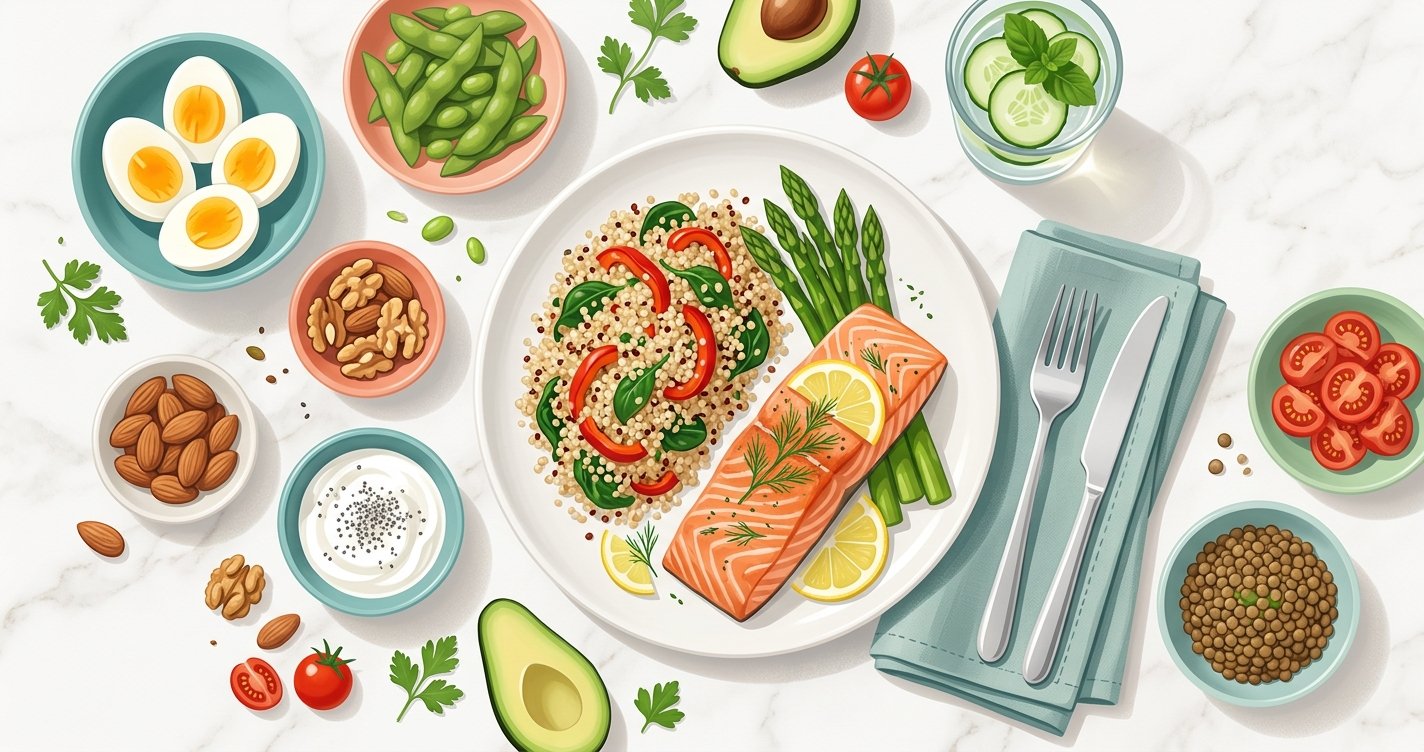
- Lean Meats: Chicken breast, turkey, lean beef, pork loin.
- Fish: Salmon, tuna, cod, tilapia (excellent source of omega-3s too!).
- Eggs: A perfect, versatile protein source.
- Dairy: Greek yogurt, cottage cheese, milk, whey protein powder.
Plant-Based Proteins: Excellent Alternatives
For those following a plant-based diet or looking to diversify their protein sources, there are plenty of excellent options. While many plant proteins are 'incomplete' on their own, combining various sources throughout the day ensures you get all essential amino acids.
- Legumes: Lentils, chickpeas, black beans, kidney beans.
- Soy Products: Tofu, tempeh, edamame.
- Grains: Quinoa (a complete protein), oats.
- Nuts and Seeds: Almonds, peanuts, chia seeds, flax seeds, pumpkin seeds.
- Plant-Based Protein Powders: Pea, rice, hemp protein can be convenient.
Protein Supplements: When and How to Use Them
Protein powders (like whey, casein, or plant-based blends) can be a convenient and effective way to boost your protein intake, especially if you struggle to meet your needs through whole foods alone. However, they should be seen as supplements, not replacements for a balanced diet.
- Convenience: Great for quick breakfasts, post-workout shakes, or adding to smoothies.
- Quality: Choose reputable brands with minimal added sugars or artificial ingredients.
- Not Essential: If you can meet your protein goals with whole foods, that's always the primary recommendation.
Practical Tips for Boosting Your Protein Intake Effortlessly
Integrating more protein into your diet doesn't have to be complicated or bland. Here are some simple, actionable strategies:
- Start with Protein: Make protein the centerpiece of every meal. Instead of a side of chicken with your pasta, think of a large chicken breast with a side of whole-grain pasta and vegetables.
- Protein-Rich Breakfasts: Opt for Greek yogurt with berries, scrambled eggs with spinach, cottage cheese, or a protein smoothie.
- Smart Snacking: Replace sugary snacks with protein-packed options like a handful of almonds, a hard-boiled egg, cheese sticks, or a small container of plain Greek yogurt.
- Add Protein to Existing Meals: Stir lentils into soups, add shredded chicken or beans to salads, mix protein powder into oatmeal or baked goods.
- Meal Prep: Cook a batch of lean protein (chicken, turkey, fish) at the beginning of the week to easily add to meals.
- Read Labels: When buying packaged foods, check the protein content and compare it with similar products.
- Hydrate: Sometimes thirst can be mistaken for hunger. Drink plenty of water throughout the day.
Embrace the Power of Protein for Lasting Results
Optimizing your protein intake is one of the most impactful, yet often overlooked, strategies for sustainable fat loss and overall health. By leveraging protein's ability to enhance satiety, boost your metabolism, and preserve muscle mass, you're not just losing weight; you're building a stronger, healthier, and more resilient body.
Remember, this isn't about perfection, but about consistent, informed choices. Start by making small, manageable changes to your diet today. You'll likely be amazed at how much more satisfied, energized, and in control you feel on your journey to achieving your fat loss goals. Your body will thank you!