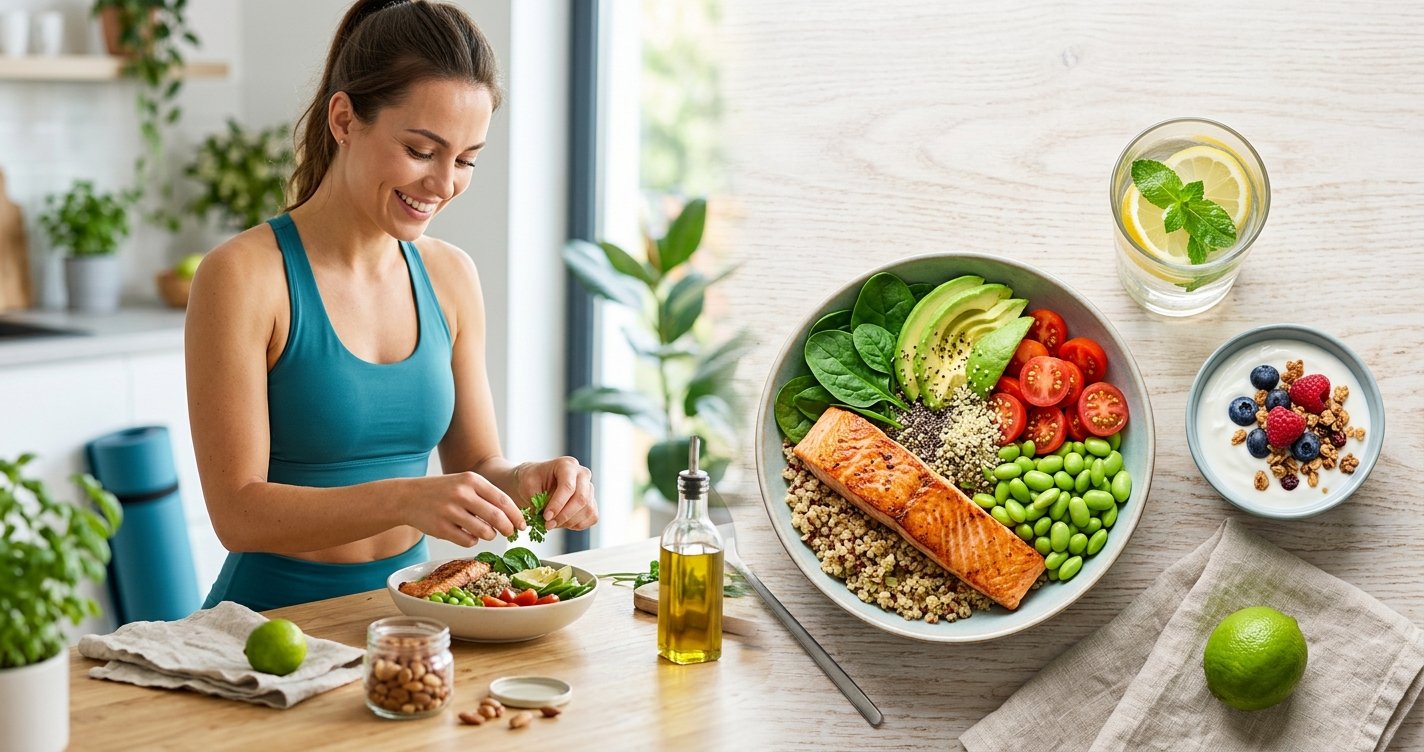
In the vast ocean of fat loss advice, it's easy to feel adrift. From restrictive diets promising rapid results to grueling workout routines that are tough to maintain, many approaches leave us feeling frustrated and back where we started. But what if there was a simpler, more sustainable strategy that not only helps you shed unwanted fat but also keeps it off for good? Enter protein – your unsung hero in the journey towards lasting fat loss.
Forget the fads and the quick fixes. This isn't about deprivation; it's about smart, evidence-based nutrition. We’re going to dive deep into why optimizing your protein intake is one of the most powerful, yet often overlooked, tools for sustainable fat loss. Get ready to understand the science, discover practical tips, and embrace a healthier, more effective path to your body goals. this excellent wellness product
Why Protein is Your Secret Weapon for Fat Loss
Protein isn't just for bodybuilders. It's a macronutrient vital for everyone, especially when you're aiming to lose fat. Its unique properties work synergistically to support your goals, making your fat loss journey smoother and more effective.
The Satiety Factor: Feeling Fuller, Longer
One of the biggest hurdles in fat loss is battling hunger and cravings. This is where protein shines! Studies consistently show that protein is the most satiating macronutrient. When you eat protein, it signals to your brain that you're full, helping to reduce overall calorie intake naturally. It influences hormones like ghrelin (the hunger hormone) and PYY and GLP-1 (satiety hormones), keeping them balanced and working in your favor.
Think about it: a breakfast high in protein, like Greek yogurt with berries or scrambled eggs, will keep you feeling satisfied much longer than a bowl of sugary cereal. This means fewer mid-morning snack attacks and less temptation to overeat at your next meal, making it much easier to stay within a calorie deficit without feeling deprived.
Muscle Preservation: Protecting Your Metabolism
When you're in a calorie deficit to lose fat, your body doesn't just burn fat; it can also start breaking down muscle tissue for energy. This is problematic because muscle is metabolically active – it burns more calories at rest than fat does. Losing muscle means your metabolism slows down, making future fat loss harder and increasing the risk of regaining weight.
Adequate protein intake acts as a shield for your precious muscle mass. By providing the building blocks (amino acids), protein helps your body repair and maintain muscle tissue, even during a calorie deficit. This ensures that the weight you're losing is primarily fat, not muscle, keeping your metabolism humming along and supporting a lean, strong physique.
The Thermic Effect of Food (TEF): Burning More Calories Just By Eating
Did you know your body burns calories just to digest, absorb, and process the food you eat? This is known as the Thermic Effect of Food (TEF). And guess which macronutrient has the highest TEF? You guessed it – protein!
While carbohydrates have a TEF of 5-10% and fats around 0-3%, protein boasts a TEF of 20-30%. This means that for every 100 calories of protein you consume, your body uses 20-30 calories just to process it. While it might seem like a small amount per meal, these calories add up over a day, contributing to your overall calorie expenditure and helping you create a larger, more effortless calorie deficit.
How Much Protein Do You Really Need? (The Evidence-Based Approach)
So, we know protein is crucial, but how much is enough? The answer isn't one-size-fits-all, but there are solid, evidence-based guidelines to help you optimize your intake for fat loss.
General Guidelines vs. Individual Needs
The Recommended Dietary Allowance (RDA) for protein is 0.8 grams per kilogram of body weight (0.36 grams per pound) for adults. This is the minimum to prevent deficiency, not necessarily optimal for fat loss or muscle preservation. For active individuals or those aiming for fat loss, the recommendations are significantly higher.
Research suggests that a protein intake of 1.6 to 2.2 grams per kilogram of body weight (or 0.7 to 1 gram per pound of body weight) is optimal for preserving muscle mass during a calorie deficit and maximizing satiety. If you're very overweight, it's often more practical to calculate based on your target body weight or lean body mass to avoid excessively high (and unnecessary) protein intake.
- Example: If you weigh 150 lbs (approx. 68 kg) and want to lose fat, aiming for 0.8-1g/lb would mean 120-150 grams of protein per day.
Don't get too bogged down by exact numbers; aim for the higher end of the range if you're seriously focused on fat loss and muscle preservation. Listen to your body and adjust as needed.
Spreading It Out: Optimizing Absorption and Benefits
It's not just about your total daily protein intake; how you distribute it throughout the day also matters. Your body can only utilize a certain amount of protein for muscle protein synthesis (the process of building and repairing muscle) at one time.
Aim to consume protein at every main meal and even with snacks. Spreading your protein intake across 3-5 meals (e.g., 20-40 grams per meal, depending on your total target) ensures a steady supply of amino acids, optimizing muscle preservation and keeping you feeling full consistently. Don't skip protein at breakfast; it sets the stage for better satiety and blood sugar control throughout the day.
Practical Strategies to Boost Your Protein Intake
Knowing why and how much is great, but how do you actually implement it? Here are practical, actionable tips to easily incorporate more protein into your daily diet.
Smart Food Choices: Lean Meats, Dairy, Legumes, and More
Focus on whole, unprocessed protein sources. They come packed with other essential nutrients and are generally more satisfying.
- Lean Meats: Chicken breast, turkey, lean beef, pork tenderloin.
- Fish & Seafood: Salmon, tuna, cod, shrimp. Rich in omega-3s too!
- Eggs: A complete protein, versatile, and affordable.
- Dairy: Greek yogurt, cottage cheese, milk, kefir.
- Legumes & Beans: Lentils, black beans, chickpeas (great for plant-based options).
- Soy Products: Tofu, tempeh, edamame.
- Protein Powders: Whey, casein, soy, pea protein can be convenient supplements, especially post-workout or for quick shakes.
Meal Planning and Preparation Tips
A little planning goes a long way in ensuring you hit your protein targets.
- Start Strong: Make breakfast protein-rich. Eggs, Greek yogurt, or a protein smoothie are excellent choices.
- Protein at Every Meal: Always build your meals around a protein source. Chicken salad, lentil soup, a piece of fish with veggies.
- Smart Snacking: Instead of chips or cookies, opt for high-protein snacks like a handful of almonds, a hard-boiled egg, cottage cheese, or a protein bar.
- Batch Cooking: Cook larger quantities of lean protein (like chicken breasts or ground turkey) at the beginning of the week to easily add to meals.
- Don't Forget the Veggies and Fiber! While focusing on protein, remember to balance your plate with plenty of non-starchy vegetables and fiber-rich foods. They add volume, nutrients, and further enhance satiety without adding many calories.
Beyond the Plate: Protein and Your Lifestyle
While nutrition is paramount, integrating protein effectively also involves thinking about your overall lifestyle.
Pairing with Strength Training: A Synergistic Effect
To truly maximize the benefits of a high-protein diet for fat loss, combine it with regular resistance training. Strength training signals your muscles to grow and adapt, and protein provides the necessary building blocks for this process. This dynamic duo ensures that you're not just losing weight, but actively reshaping your body by preserving and even building muscle while shedding fat.
Listen to Your Body and Be Patient
Sustainable fat loss is a marathon, not a sprint. Pay attention to how your body responds to increased protein intake. Are you feeling more satisfied? Do you have more energy? Adjust your intake based on your hunger levels and how you feel. Remember, consistency over time yields the best results. There will be good days and challenging days, but staying committed to smart, protein-rich choices will pay off.
Your Journey Starts Now: Embrace the Protein Power!
You now have the knowledge and practical tools to harness the incredible power of protein for sustainable fat loss. By prioritizing this essential macronutrient, you're not just cutting calories; you're building a foundation for a healthier, stronger, and more energetic you.
Say goodbye to constant hunger and hello to lasting satiety. Protect your metabolism, fuel your muscles, and make your body work smarter, not harder, in its quest for fat loss. Start today by making one small change: add a high-protein source to your next meal. Your body will thank you!