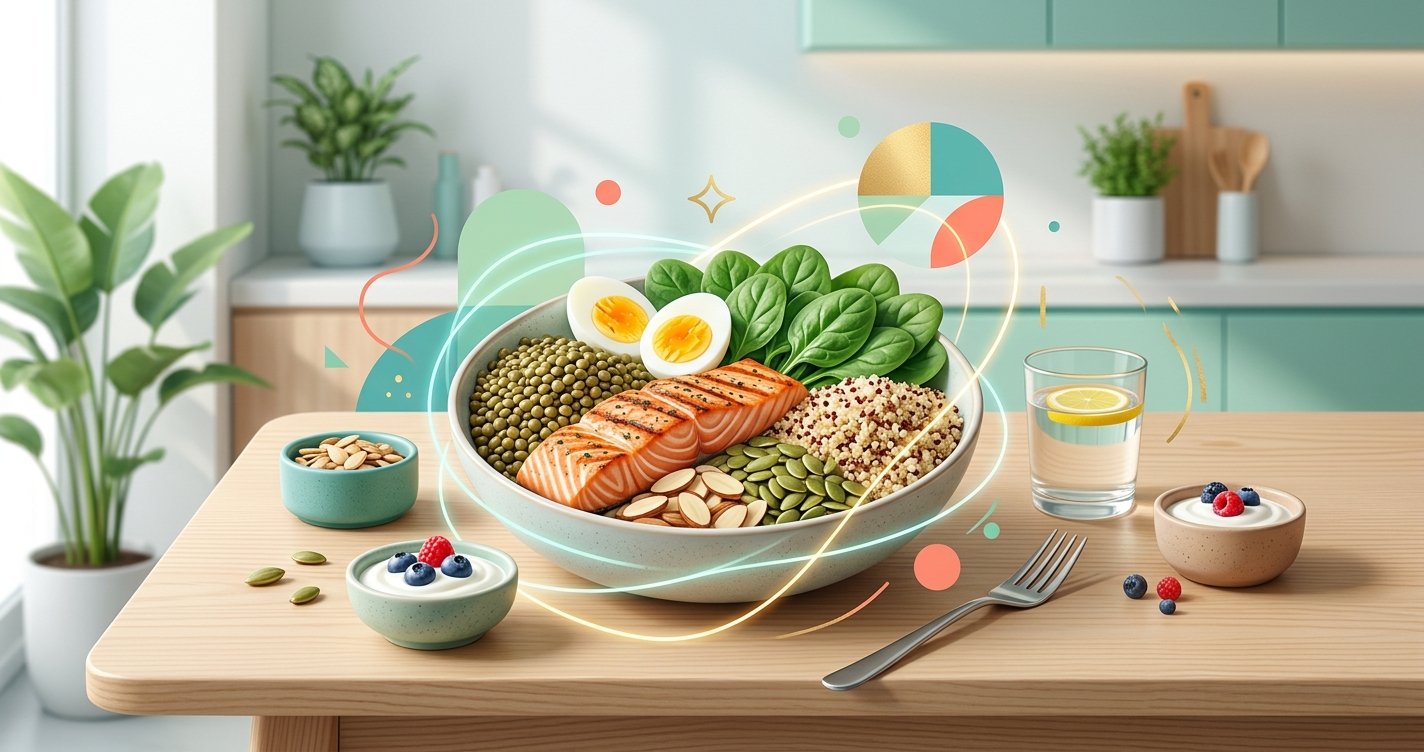
You’ve likely heard about protein’s role in building muscles. While that’s absolutely true, its power extends far beyond the gym. For sustainable fat loss, protein isn't just important; it's a game-changer, an unsung hero that can make the difference between frustrating plateaus and consistent, feel-good progress.
If you're looking to shed body fat effectively, sustainably, and without constant deprivation, it’s time to truly understand and embrace the multifaceted benefits of this incredible macronutrient. Let’s dive into how prioritizing protein can be your secret weapon for lasting fat loss, all while feeling more satisfied and energized. this excellent wellness product
The Satiety Secret: Why Protein Keeps You Feeling Full Longer
Managing hunger is one of the biggest challenges in any fat loss journey. Cravings and a constantly rumbling stomach can derail even the most determined efforts. This is where protein shines. It's by far the most satiating macronutrient, meaning it keeps you feeling fuller for longer compared to carbohydrates or fats.
This isn't just a feeling; it's science. When you consume protein, it triggers the release of satiety hormones like peptide YY (PYY) and cholecystokinin (CCK), signaling to your brain that you're full. Simultaneously, it helps suppress ghrelin, the "hunger hormone." This hormonal balance means fewer cravings, less snacking between meals, and an easier time sticking to a calorie deficit without feeling deprived.
- Boost Your Breakfast: Start your day with protein-rich foods like eggs or Greek yogurt to curb mid-morning hunger.
- Evidence-Based: Numerous studies confirm that higher protein diets significantly reduce appetite and overall calorie intake.
Protein's Metabolic Boost: The Thermic Effect of Food (TEF)
Your body expends energy to digest, absorb, and metabolize the nutrients from your food – this is the Thermic Effect of Food (TEF). Accounting for roughly 5-10% of your total daily energy expenditure, TEF varies significantly between macronutrients.
Protein has a remarkably higher TEF than carbohydrates or fats. While fats might have a TEF of 0-3% and carbs around 5-10%, protein can boost your metabolism by 20-30% just through digestion! This means that for every 100 calories of protein you consume, your body uses 20-30 of those calories just to process it. Eating protein literally burns more calories!
Over time, this "metabolic advantage" of protein adds up, making it easier to maintain a calorie deficit and accelerate your fat loss progress without extra effort.
Preserving Muscle Mass: Key to a Faster Metabolism
When you're in a calorie deficit to lose fat, your body can sometimes break down muscle tissue along with fat. This is detrimental because muscle is metabolically active – it burns more calories at rest than fat does. Losing muscle means your resting metabolic rate (RMR) decreases, making it harder to lose fat and easier to regain it in the future.
Adequate protein intake becomes crucial here. Protein provides the amino acids necessary for muscle protein synthesis (MPS), the process by which your body repairs and builds muscle. By consuming enough protein, especially combined with resistance training, you signal to your body to preserve precious muscle mass, even while losing fat. This helps maintain a higher metabolism, creating a more efficient fat-burning machine and preventing the dreaded "skinny-fat" look.
- Why Muscle Matters: Maintaining muscle mass means you burn more calories around the clock, supporting sustainable fat loss.
Beyond Weight: Protein for Overall Health and Vitality
While fat loss is a primary goal, protein contributes to your overall well-being in countless ways. It's fundamental for:
- Immune Function: Building antibodies to fight infections.
- Hormone Production: Many essential hormones are protein-based.
- Bone Health: A major component of bone structure and density.
- Hair, Skin, and Nails: Supporting their health and appearance (keratin, collagen).
- Recovery: Vital for repairing tissues and recovering from workouts, enabling consistent training.
By prioritizing protein, you're not just optimizing for fat loss; you're investing in a healthier, more resilient body overall.
How Much Protein Do You Really Need for Optimal Fat Loss?
The "right" amount of protein varies, but for active individuals aiming for fat loss, recommendations are generally higher than standard allowances. Most evidence-based guidelines suggest aiming for approximately 1.6 to 2.2 grams of protein per kilogram of body weight per day (or roughly 0.7 to 1.0 grams per pound of body weight).
For example, a person weighing 70 kg (about 154 lbs) might aim for 112-154 grams of protein daily. It’s also beneficial to spread your protein intake throughout the day, aiming for 20-40 grams per meal, to optimize muscle protein synthesis and maintain consistent satiety.
Effortless Ways to Boost Your Daily Protein Intake
Increasing your protein doesn't have to be complicated. Here are simple ways to incorporate more of this powerhouse macronutrient:
- Lean Meats & Fish: Chicken breast, turkey, lean beef, salmon, tuna.
- Dairy: Greek yogurt, cottage cheese, milk, cheese.
- Eggs: A complete, versatile, and affordable protein.
- Legumes & Beans: Lentils, chickpeas, black beans – fantastic plant-based options.
- Plant-Based Proteins: Tofu, tempeh, edamame, seitan, and protein powders (soy, pea).
- Smart Snacks: Hard-boiled eggs, almonds, string cheese, Greek yogurt.
- Meal Prep: Cook larger batches of protein sources for easy additions to meals.
- Smoothie Boost: Add a scoop of protein powder to your morning drink.
Think about simple swaps: instead of just toast, add eggs. Instead of plain pasta, add chicken or lentils. Small, consistent changes lead to significant results.
Embrace Protein for a Healthier, Leaner You
Sustainable fat loss isn't about deprivation; it's about smart choices that fuel your body, keep you satisfied, and support your metabolism. Protein is a critical component in this equation. It's not just for athletes; it's for anyone looking to achieve a leaner, healthier physique while feeling their best.
By prioritizing protein in your diet, you're investing in sustained energy, better hunger control, preserved muscle, and overall vitality. So, next time you're planning your meals, remember the unsung power of protein – your body will thank you for it!