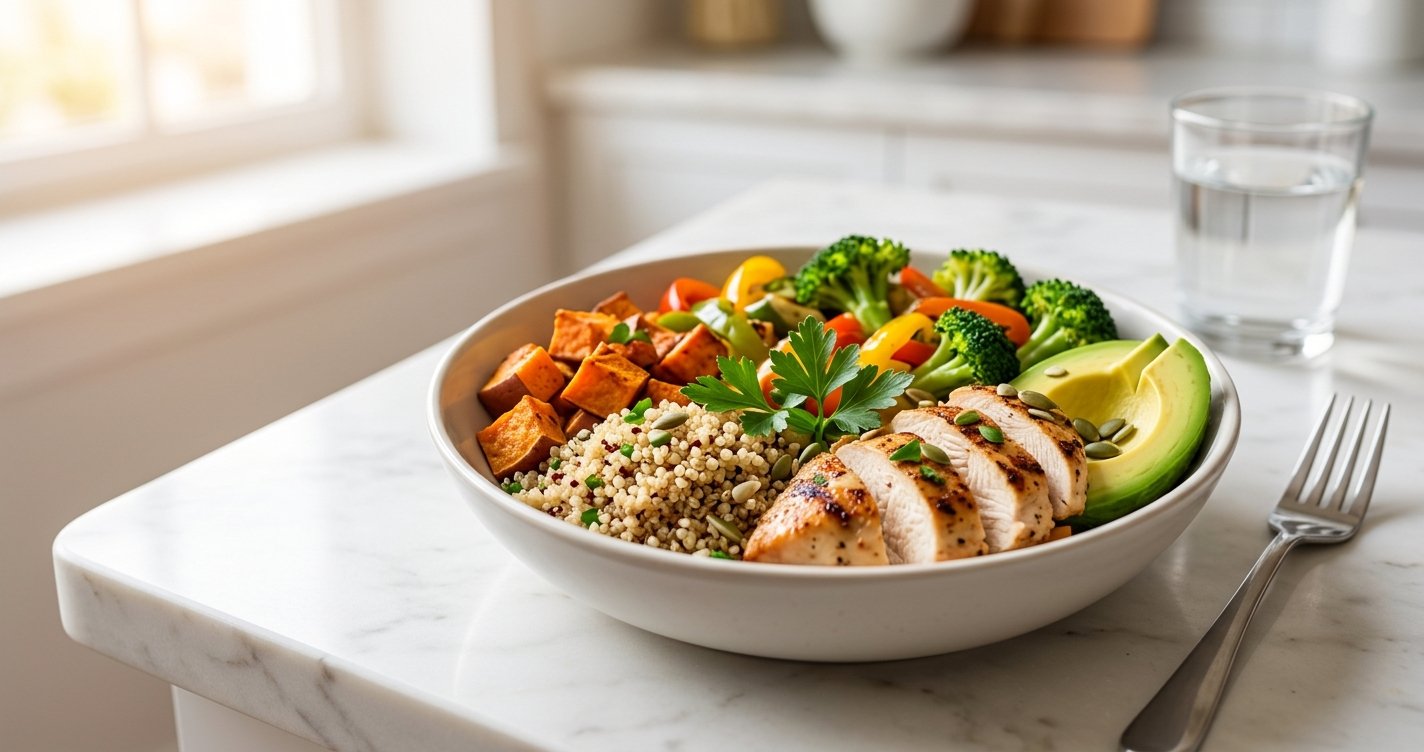
Tired of Fad Diets? Discover the Sustainable Path to Fat Loss!
In a world overflowing with quick-fix diets and conflicting health advice, it's easy to feel lost when trying to achieve sustainable fat loss. You've probably tried various approaches, perhaps seen some initial results, only to find yourself back where you started, feeling frustrated and discouraged. What if we told you there's a simpler, more effective, and most importantly, sustainable way to shed unwanted fat without extreme deprivation or endless hours on the treadmill?
The secret lies not in magic pills or restrictive eating, but in understanding two fundamental pillars of nutrition: creating a sensible calorie deficit and harnessing the incredible power of protein. This isn't about rigid rules; it's about smart, evidence-based strategies that empower you to make informed choices, enjoy your food, and achieve lasting results. Get ready to transform your body and build healthier habits that stick! this excellent wellness product
Understanding the Calorie Deficit: Your Foundation for Fat Loss
Let's cut straight to the chase: to lose fat, you must consume fewer calories than your body burns. This is known as a calorie deficit, and it's the undisputed king of fat loss principles. Without it, no amount of 'superfoods' or 'detoxes' will lead to significant, sustained fat reduction. Think of your body as a car: if you want to use up the fuel (stored fat), you need to put less in the tank than you're burning.
But before you start drastically cutting calories, remember that sustainability is key. An extreme deficit might lead to rapid initial weight loss, but it's often accompanied by fatigue, nutrient deficiencies, muscle loss, and an eventual rebound. A moderate deficit – typically 300-500 calories below your daily maintenance level – is far more effective for long-term success. This allows your body to tap into fat stores for energy while preserving precious muscle mass and keeping your energy levels stable.
How to Estimate Your Needs:
- Calculate Your TDEE (Total Daily Energy Expenditure): This is the total number of calories your body burns in a day, considering your basal metabolic rate (BMR) and activity level. Online calculators can give you a good starting estimate.
- Subtract for a Deficit: Once you have your TDEE, subtract 300-500 calories to find your target intake for fat loss.
- Listen to Your Body: These are estimates. Pay attention to your hunger levels, energy, and how your body responds. Adjust as needed.
The goal isn't to starve yourself; it's to eat smart, feel satisfied, and give your body just enough less than it needs so it starts burning its own reserves.
The Mighty Macro: Why Protein is Your Best Friend for Fat Loss
While a calorie deficit sets the stage, protein is the superstar that makes the fat loss journey smoother, more effective, and more enjoyable. It's not just for bodybuilders; adequate protein intake is crucial for anyone looking to optimize their body composition.
Here's why protein is a fat loss powerhouse:
- Satiety Superpower: Protein is the most satiating macronutrient. Eating enough protein helps you feel fuller for longer, reducing cravings and making it easier to stick to your calorie deficit. No more constant hunger pangs!
- Thermic Effect of Food (TEF): Your body uses energy to digest, absorb, and metabolize food. Protein has a higher TEF than carbohydrates or fats, meaning you burn more calories simply by eating and digesting protein-rich foods. It's a small but significant metabolic boost.
- Muscle Preservation: When you're in a calorie deficit, your body can sometimes break down muscle tissue for energy, not just fat. Adequate protein intake signals to your body to preserve muscle mass, which is vital because muscle is metabolically active – it burns more calories at rest than fat does. Maintaining muscle helps keep your metabolism humming.
- Repair and Recovery: Protein is essential for repairing tissues, especially important if you're incorporating exercise into your fat loss routine. Better recovery means you can train more consistently and effectively.
How Much Protein Do You Need?
For fat loss, a common recommendation is to aim for 1.6 to 2.2 grams of protein per kilogram of body weight (or 0.7 to 1 gram per pound of body weight) per day. Distribute your protein intake throughout the day across your meals and snacks to maximize its benefits.
Excellent Protein Sources:
- Lean Meats: Chicken breast, turkey, lean beef, pork tenderloin.
- Fish & Seafood: Salmon, cod, tuna, shrimp.
- Eggs: Whole eggs or egg whites.
- Dairy: Greek yogurt, cottage cheese, milk, whey protein.
- Plant-Based: Lentils, beans, tofu, tempeh, edamame, quinoa, protein powder (pea, soy, rice).
Beyond Protein: Balancing Your Plate for Optimal Results
While protein is paramount, a well-rounded diet is still crucial for overall health and sustainable fat loss. Don't neglect other essential macronutrients and micronutrients.
- Complex Carbohydrates: These are your body's primary energy source. Choose whole grains like oats, brown rice, quinoa, and whole-wheat bread. They are rich in fiber, which aids digestion, promotes satiety, and helps regulate blood sugar levels, preventing energy crashes and cravings.
- Healthy Fats: Fats are vital for hormone production, nutrient absorption, and satiety. Focus on unsaturated fats found in avocados, nuts, seeds, olive oil, and fatty fish. Remember, fats are calorie-dense, so portion control is important even with healthy sources.
- Fruits and Vegetables: These are packed with vitamins, minerals, antioxidants, and fiber. They are generally low in calories and high in volume, helping you feel full without consuming excessive calories. Aim for a wide variety of colors to ensure you're getting a broad spectrum of nutrients.
Prioritizing whole, unprocessed foods over highly processed alternatives will naturally lead to a more nutrient-dense and satisfying diet, making your calorie deficit much easier to manage.
Practical Strategies for Implementing a Protein-Rich Calorie Deficit
Knowing what to do is one thing; consistently doing it is another. Here are practical tips to integrate these principles into your daily life:
- Plan Your Meals: Dedicate some time each week to plan your meals and snacks. This reduces decision fatigue and helps you make healthier choices when hunger strikes. Consider meal prepping on weekends.
- Prioritize Protein at Every Meal: Aim for 20-40 grams of protein at each main meal (breakfast, lunch, dinner). Start your day with protein (e.g., Greek yogurt, eggs) to kickstart satiety.
- Smart Snacking: If you need a snack, make it protein-rich. Think a handful of almonds, cottage cheese, a hard-boiled egg, or a protein shake.
- Track Your Intake (Initially): Using a food tracking app for a few weeks can be incredibly insightful. It helps you understand portion sizes, calorie counts, and your macronutrient distribution, even if you don't track forever.
- Stay Hydrated: Often, thirst can be mistaken for hunger. Drink plenty of water throughout the day. Sometimes, a glass of water before a meal can help you feel fuller.
- Mindful Eating: Eat slowly, savor your food, and pay attention to your body's hunger and fullness cues. This helps prevent overeating and enhances your enjoyment of meals.
- Cook at Home: Preparing your own meals gives you control over ingredients, portion sizes, and cooking methods, making it easier to manage your calorie and protein intake.
Navigating Challenges and Staying Motivated
The path to fat loss isn't always linear. You'll encounter plateaus, social temptations, and moments of doubt. Here's how to stay the course:
- Patience and Consistency are Gold: Fat loss is a marathon, not a sprint. Celebrate small victories, and don't get discouraged by slow progress or occasional slip-ups. Consistency over time yields results.
- Handle Plateaus Strategically: If progress stalls, reassess your intake, activity levels, and sleep. Sometimes a slight adjustment to your calorie deficit or increasing your activity can reignite progress.
- Social Situations: Don't let social events derail your efforts. Plan ahead: eat a protein-rich snack before going out, choose lighter options, and practice moderation. It's okay to enjoy treats occasionally; just get back on track with your next meal.
- Focus on Non-Scale Victories: The number on the scale is just one metric. Pay attention to how your clothes fit, your energy levels, improved sleep, better mood, and increased strength. These non-scale victories are powerful motivators.
- Seek Support: Share your goals with a supportive friend, family member, or join an online community. Accountability can make a huge difference.
Embrace a Stronger, Healthier You!
Achieving sustainable fat loss doesn't have to be a battle against your body. By understanding the foundational role of a calorie deficit and embracing the power of protein, you're not just losing weight; you're building a healthier, more energetic, and more resilient you. This approach is about making informed, balanced choices that you can stick with for life, fostering a positive relationship with food and your body.
Remember, every small, consistent step forward contributes to your long-term success. Start today by making one protein-rich choice, calculating a sensible calorie goal, and committing to nourishing your body. You have the power to transform your health and unlock a stronger, more confident version of yourself. You've got this!