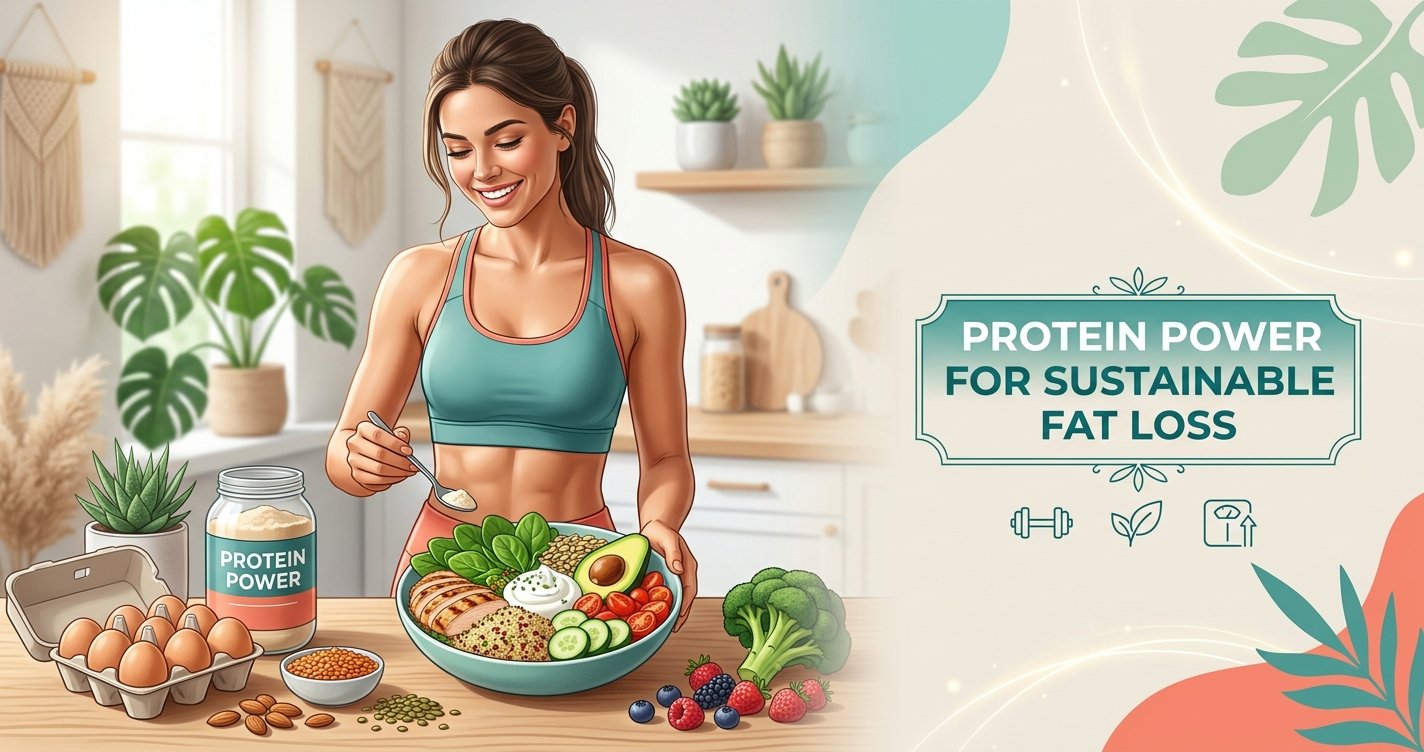
Protein Power for Sustainable Fat Loss: Your Ultimate Guide to a Leaner, Stronger You
Embarking on a fat loss journey can feel like navigating a complex maze, with countless diets, fads, and conflicting advice at every turn. But what if we told you there's one powerful, science-backed nutrient that can significantly simplify your path to a leaner, healthier you? Enter protein – often hailed as the MVP of macronutrients, and for good reason!
This isn't just about building big muscles; protein plays a crucial, multifaceted role in sustainable fat loss that goes far beyond the gym. If you've been struggling to shed those stubborn pounds, maintain your progress, or simply feel satisfied with your meals, it's time to unlock the true potential of protein. In this comprehensive guide, we'll dive deep into why protein is your secret weapon, how much you truly need, and practical ways to effortlessly integrate it into your daily life for lasting results. this excellent wellness product
Why Protein Is Your Fat Loss MVP (Most Valuable Player)
Protein isn't just fuel; it's a strategic ally in your quest for fat loss, working on several fronts to optimize your body's ability to burn fat and maintain a healthy weight. Let's explore the key mechanisms:
The Thermic Effect of Food (TEF): Burn More Calories Just By Eating
Did you know that your body expends energy just to digest, absorb, and metabolize the food you eat? This is known as the Thermic Effect of Food (TEF), and protein has the highest TEF of all macronutrients. While carbohydrates have a TEF of 5-10% and fats around 0-3%, protein boasts a TEF of 20-30%. This means that for every 100 calories of protein you consume, your body uses 20-30 of those calories just to process it. In essence, eating protein gives your metabolism a mini-boost, helping you burn more calories without lifting a finger!
Satiety Power: Feeling Fuller, Longer
One of the biggest challenges in fat loss is managing hunger and cravings. Protein excels here! It’s incredibly satiating, meaning it helps you feel full and satisfied for longer periods compared to carbs or fats. This isn't just a feeling; protein influences hormones like ghrelin (the hunger hormone) and GLP-1 (a satiety hormone), signaling to your brain that you're fed. By reducing your overall calorie intake naturally, without feeling deprived, protein makes sticking to your fat loss plan much easier.
Muscle Preservation: Protect Your Metabolism
When you're in a calorie deficit to lose fat, there's always a risk of losing valuable muscle mass along with fat. This is detrimental because muscle is metabolically active tissue, meaning it burns more calories at rest than fat does. A higher protein intake, especially when combined with strength training, helps protect your lean muscle mass. By preserving muscle, you safeguard your resting metabolic rate, ensuring your body remains an efficient fat-burning machine even as you lose weight.
How Much Protein Do You Really Need for Fat Loss?
The common dietary recommendations for protein are often based on general health, not optimized fat loss. For individuals actively pursuing fat loss, a higher intake is generally beneficial. While exact numbers can vary based on factors like age, activity level, and current body composition, here are some evidence-based guidelines:
General Guidelines vs. Individual Needs
- Sedentary Adults: The Recommended Dietary Allowance (RDA) is 0.8 grams of protein per kilogram of body weight (0.36 grams per pound). This is a minimum to prevent deficiency, not necessarily optimal for fat loss.
- Active Individuals & Fat Loss: For those looking to lose fat while preserving muscle, a range of 1.6 to 2.2 grams of protein per kilogram of body weight (0.7 to 1.0 grams per pound) is often recommended.
- Very Active/Athletes: Some athletes or those with very high training volumes may even benefit from slightly higher intakes, up to 2.5 grams per kilogram.
For example, a person weighing 70 kg (about 154 lbs) aiming for fat loss might target 112-154 grams of protein per day.
The "Sweet Spot" for Optimal Results
A good starting point for most people focused on fat loss is to aim for around 25-35 grams of protein per meal, spread across 3-4 meals throughout the day. This helps maximize muscle protein synthesis and satiety. Listen to your body and adjust as needed, but remember that consistency is key!
Protein Sources: Fueling Your Body Smartly
Getting enough protein doesn't have to be boring or restrictive. There's a vast array of delicious and nutritious protein sources available. Focus on whole, unprocessed foods as much as possible.
Animal-Based Proteins: Lean Meats, Dairy, Eggs
- Lean Meats: Chicken breast, turkey, lean beef (sirloin, round), pork loin. These are complete proteins, meaning they contain all nine essential amino acids.
- Fish & Seafood: Salmon, tuna, cod, shrimp. Excellent sources of protein, often with healthy omega-3 fatty acids.
- Eggs: A perfect and versatile protein source, with about 6 grams per large egg.
- Dairy: Greek yogurt, cottage cheese, milk, whey protein. Rich in protein and often calcium. Greek yogurt and cottage cheese are particularly high in protein for their calorie count.
Plant-Based Proteins: Legumes, Tofu, Nuts, Seeds
- Legumes: Lentils, chickpeas, black beans. Great sources of protein and fiber.
- Soy Products: Tofu, tempeh, edamame. Versatile and complete plant proteins.
- Quinoa: A grain that is also a complete protein.
- Nuts & Seeds: Almonds, walnuts, chia seeds, flax seeds, pumpkin seeds. Provide protein, healthy fats, and fiber (in moderation due to calorie density).
- Seitan: A high-protein meat substitute made from wheat gluten.
The Role of Protein Supplements (When and If Needed)
While whole foods should always be your primary source of nutrients, protein supplements like whey, casein, or plant-based protein powders can be a convenient and effective way to hit your daily protein targets, especially if you're very active, short on time, or struggle to get enough from food alone. They are not magic pills, but useful tools to complement a healthy diet.
Practical Strategies to Boost Your Protein Intake
Integrating more protein into your diet doesn't have to be complicated. Here are some simple, actionable strategies to help you reach your goals:
Make Every Meal a Protein Opportunity
Think of protein as the anchor for every meal. Start planning your meals by choosing your protein source first. For breakfast, instead of just toast, add eggs, Greek yogurt, or a protein shake. For lunch and dinner, ensure a generous serving of lean meat, fish, legumes, or tofu is present. Even snacks can be protein-packed!
Smart Snacking for Satiety
Swap out sugary or high-carb snacks for protein-rich alternatives. This keeps hunger at bay and supports muscle preservation. Ideas include:
- Hard-boiled eggs
- A handful of almonds or walnuts
- Cottage cheese with berries
- Greek yogurt
- Beef jerky (low-sugar varieties)
- Apple slices with peanut butter (check for added sugars)
Meal Prep for Success
Planning and preparing meals in advance can be a game-changer. Cook a batch of chicken breast or lentils at the beginning of the week, and portion them out for easy additions to salads, wraps, or stir-fries. Having healthy, protein-rich options readily available reduces the likelihood of reaching for less optimal choices when hunger strikes.
Beyond Protein: The Holistic Approach to Sustainable Fat Loss
While protein is a superstar, remember that sustainable fat loss is a holistic endeavor. It's about building healthy habits that support your body and mind in the long run.
Don't Forget Fiber, Healthy Fats, and Smart Carbs
Protein works best as part of a balanced diet. Ensure you're also getting plenty of fiber from fruits, vegetables, and whole grains, which aids digestion and satiety. Include healthy fats (avocado, olive oil, nuts) for hormone function and nutrient absorption, and choose complex carbohydrates for sustained energy, especially around workouts.
The Importance of Strength Training and Activity
Pairing a high-protein diet with regular strength training is a powerful combination for fat loss. Strength training helps build and maintain muscle mass, further boosting your metabolism and improving body composition. Don't underestimate the power of consistent movement, whether it's walking, cycling, or hitting the gym.
Sleep and Stress Management: Unsung Heroes
Often overlooked, adequate sleep (7-9 hours per night) and effective stress management are critical for fat loss. Poor sleep can disrupt hunger hormones (ghrelin and leptin) and increase cravings, while chronic stress can elevate cortisol, promoting fat storage. Prioritize rest and find healthy ways to manage stress.
Your Protein-Powered Fat Loss Journey Starts Now!
Embracing the power of protein is one of the most effective, evidence-based strategies you can adopt for sustainable fat loss. By prioritizing this essential macronutrient, you'll feel fuller, burn more calories, protect your metabolism, and ultimately, build a leaner, stronger, and healthier body.
It's not about restriction; it's about smart nutrition that empowers you to achieve your goals without constant struggle. Start making small, consistent changes today – incorporate more protein into your meals, choose protein-rich snacks, and watch as your body transforms. You've got this!
Disclaimer: Always consult with a healthcare professional or registered dietitian before making significant changes to your diet, especially if you have underlying health conditions.