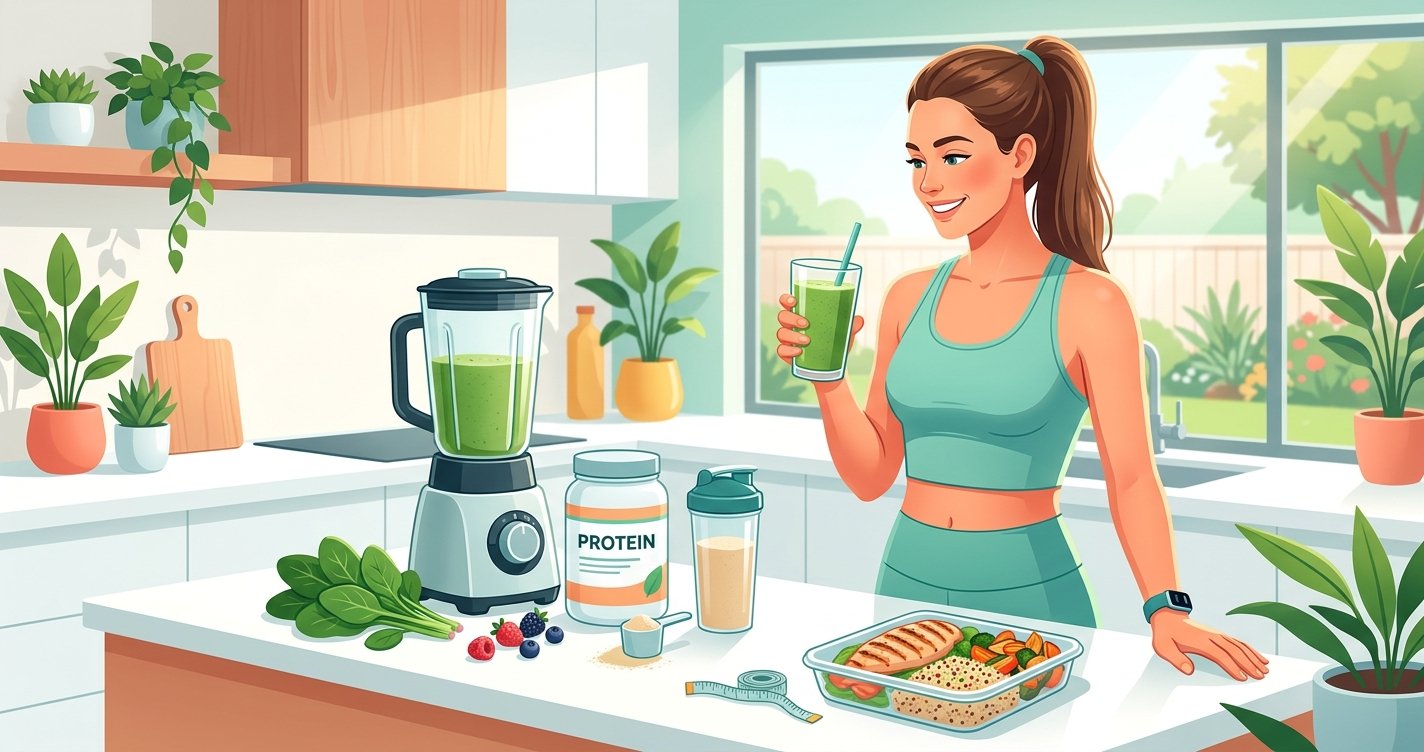
When it comes to sustainable fat loss, countless diets and strategies promise quick fixes. But if you're looking for an evidence-based approach that truly works for the long haul, there's one nutrient that consistently stands out: protein. Often hailed as the king of macronutrients, protein plays a crucial, multifaceted role in helping you shed fat, maintain muscle, and feel great throughout your journey. Let's dive deep into why protein is your ultimate ally in achieving and maintaining your fat loss goals, backed by science and practical advice.
Why Protein is Your Ultimate Fat Loss Ally
Protein isn't just for bodybuilders. It's an essential building block for every cell in your body and a powerhouse when it comes to managing your weight. Its benefits for fat loss are so significant that prioritizing protein can make your journey feel much more manageable and effective. Here’s how: this excellent wellness product
The Satiety Superpower: Feeling Full, Eating Less
One of the biggest challenges in fat loss is dealing with hunger. This is where protein truly shines. Protein is renowned for its ability to increase satiety, meaning it helps you feel fuller for longer periods compared to carbohydrates or fats. When you feel satisfied after meals, you're less likely to snack unnecessarily or overeat at your next meal, naturally leading to a reduction in overall calorie intake. Studies consistently show that higher protein diets lead to greater feelings of fullness and can reduce cravings, making adherence to a calorie deficit much easier. Imagine going about your day without constant hunger pangs – that’s the protein advantage!
Boosting Your Metabolism: The Thermic Effect of Food (TEF)
Did you know that your body burns calories just to digest and process the food you eat? This is known as the Thermic Effect of Food (TEF). And guess which macronutrient has the highest TEF? You got it – protein! Approximately 20-30% of the calories from protein are burned off during digestion, compared to 5-10% for carbohydrates and 0-3% for fats. This means that by simply eating more protein, you're giving your metabolism a little boost, helping you burn more calories around the clock. Over time, this cumulative effect can significantly contribute to your fat loss efforts without you having to do extra workouts.
Muscle Matters: Protecting Your Hard-Earned Gains
When you're in a calorie deficit to lose fat, your body can sometimes break down muscle tissue for energy, alongside fat. This is undesirable because muscle is metabolically active – it burns more calories at rest than fat does. Losing muscle can slow down your metabolism, making it harder to sustain fat loss and easier to regain weight later. A higher protein intake helps to preserve lean muscle mass during a calorie deficit. By providing your body with ample amino acids, protein signals that it has enough building blocks to maintain existing muscle, ensuring that more of the weight you lose is fat, not muscle. This protects your metabolism and keeps your body strong and toned.
How Much Protein Do You Really Need for Optimal Fat Loss?
While the general recommendation for protein intake is around 0.8 grams per kilogram of body weight for sedentary individuals, those aiming for fat loss benefit significantly from higher amounts. The sweet spot often lies between 1.6 to 2.2 grams of protein per kilogram of body weight per day.
- For example: If you weigh 70 kg (154 lbs), aiming for 1.6-2.2 g/kg means consuming approximately 112-154 grams of protein daily.
- If you prefer pounds: A good rule of thumb is 0.7 to 1 gram of protein per pound of target body weight. So, if you're aiming for 150 lbs, that would be 105-150 grams of protein.
These ranges are general guidelines and can vary based on your activity level, age, and overall health goals. Active individuals, particularly those engaged in strength training, may benefit from the higher end of this range.
Spreading Your Intake: Maximizing Benefits
It's not just about total daily protein; how you distribute it matters too. Instead of consuming a massive amount in one meal, aim to spread your protein intake evenly throughout the day. Try to include 20-40 grams of protein in each of your main meals (breakfast, lunch, dinner) and potentially in your snacks. This approach optimizes muscle protein synthesis (the process of building and repairing muscle) and helps maintain satiety levels consistently, preventing those mid-afternoon energy slumps and hunger pangs.
Protein Powerhouses: Delicious Sources for Every Palate
Incorporating more protein into your diet doesn't have to be bland or complicated. There's a vast array of delicious and versatile protein sources to choose from:
Animal-Based Proteins:
- Lean Meats: Chicken breast, turkey, lean beef (sirloin, round), pork loin.
- Fish and Seafood: Salmon, tuna, cod, shrimp, sardines.
- Eggs: A complete protein source, versatile and affordable.
- Dairy: Greek yogurt, cottage cheese, milk, whey protein (great for snacks or post-workout).
Plant-Based Proteins:
- Legumes: Lentils, chickpeas, black beans, kidney beans.
- Tofu and Tempeh: Versatile soy products that absorb flavors well.
- Edamame: Great as a snack or in salads.
- Quinoa: A complete protein grain.
- Nuts and Seeds: Almonds, walnuts, chia seeds, flax seeds, pumpkin seeds (in moderation due to higher fat content).
- Seitan: A wheat-based protein source with a meaty texture.
The Role of Protein Supplements
While whole foods should always be your primary source of protein, supplements like whey, casein, or plant-based protein powders can be incredibly convenient, especially for busy individuals or to hit higher protein targets without adding excessive calories. They are perfect for smoothies, post-workout shakes, or as a quick snack.
Practical Tips to Easily Boost Your Protein Intake
Making protein a priority doesn't require a complete dietary overhaul. Here are some simple, actionable tips:
- Start Your Day Strong: Add eggs, Greek yogurt, or a protein shake to your breakfast.
- Make Protein a Priority at Every Meal: Always ensure a lean protein source is the centerpiece of your plate.
- Smart Snacking: Opt for high-protein snacks like cottage cheese, a handful of almonds, beef jerky, or a hard-boiled egg instead of sugary treats.
- Meal Prep: Cook larger batches of chicken or lentils to easily add to meals throughout the week.
- Protein-Rich Add-ins: Sprinkle seeds on salads, add beans to soups, or stir protein powder into oatmeal.
- Hydrate: Sometimes thirst can be mistaken for hunger. Drink plenty of water throughout the day.
Beyond the Hype: Debunking Protein Myths
Despite its proven benefits, protein often falls victim to misconceptions:
- Myth: Too much protein is bad for your kidneys.
Fact: For healthy individuals with normal kidney function, there is no scientific evidence to suggest that a high-protein diet causes kidney damage. However, those with pre-existing kidney conditions should consult their doctor. - Myth: Protein makes you bulky.
Fact: Building significant muscle mass requires intense strength training and often a calorie surplus. Protein supports muscle, but it won't automatically make women (or men) 'bulky' without dedicated effort and specific training goals. - Myth: All protein sources are equal.
Fact: While all protein is beneficial, some sources are 'complete' (containing all essential amino acids) and others are 'incomplete.' A varied diet ensures you get all the amino acids your body needs.
Conclusion: Your Sustainable Path to Fat Loss Success
Embracing protein as a cornerstone of your diet is one of the most effective, evidence-based strategies for sustainable fat loss. Its power to enhance satiety, boost metabolism, and preserve muscle mass creates a synergistic effect that makes your journey smoother, more enjoyable, and ultimately, more successful. Remember, fat loss is a marathon, not a sprint. By consistently prioritizing protein, you're not just losing weight; you're building a healthier, stronger body and fostering sustainable habits that will serve you for years to come. So, go ahead, fuel your body with protein, and watch yourself transform!