Ever feel like you’re constantly battling hunger while trying to lose weight? Or perhaps you’re seeing the scale drop, but your body isn't quite looking as toned as you'd hoped? The secret weapon you might be overlooking in your fat loss journey is often right there on your plate: protein.
Forget the old notion that protein is just for bodybuilders. It’s a crucial macronutrient for anyone aiming for sustainable fat loss, muscle preservation, and overall well-being. In fact, if there's one dietary change that can make the most significant impact on your body composition goals, it’s optimizing your protein intake. This isn't just anecdotal advice; it's backed by a wealth of scientific evidence. Let’s dive into how protein can become your most powerful ally in achieving a leaner, stronger you. this excellent wellness product
Why Protein is Your Fat Loss MVP (Most Valuable Player)
Protein plays multiple roles that directly contribute to effective and sustainable fat loss. Understanding these mechanisms will empower you to make smarter dietary choices.
1. The Satiety Factor: Feeling Fuller, Longer
One of the biggest challenges with any diet is managing hunger and cravings. This is where protein shines! Protein is incredibly satiating, meaning it keeps you feeling full and satisfied for longer periods compared to carbohydrates or fats. When you feel fuller, you’re less likely to overeat, snack unnecessarily, or succumb to unhealthy temptations. This isn't just a feeling; protein influences hormones like GLP-1 and PYY, which signal fullness to your brain, effectively putting the brakes on your appetite.
2. Thermic Effect of Food (TEF): Burning More Calories Just by Eating
Did you know your body burns calories just to digest, absorb, and process the food you eat? This is called the Thermic Effect of Food (TEF). Protein has the highest TEF of all macronutrients. Approximately 20-30% of the calories you consume from protein are used up during its digestion, compared to 5-10% for carbohydrates and 0-3% for fats. This means that by prioritizing protein, you're essentially getting a metabolic boost, burning more calories throughout the day without even trying!
3. Muscle Preservation: Protecting Your Metabolism
When you're in a calorie deficit to lose fat, your body doesn't always discriminate between fat and muscle. Unfortunately, muscle tissue can also be lost, which is detrimental to your long-term goals. Why? Because muscle is metabolically active – it burns more calories at rest than fat tissue. Losing muscle slows down your metabolism, making it harder to sustain fat loss and easier to regain weight. A high protein intake, especially when combined with resistance training, signals to your body to hold onto that valuable muscle mass, ensuring that the weight you lose is primarily fat.
How Much Protein Do You Really Need for Fat Loss?
There's no one-size-fits-all answer, but for optimal fat loss and muscle preservation, current research suggests a higher intake than the standard recommended daily allowance. A good starting point for most active individuals aiming for fat loss is:
- 1.6 to 2.2 grams of protein per kilogram of body weight (or 0.7 to 1.0 gram per pound of body weight) daily.
For example, if you weigh 70 kg (154 lbs), you'd aim for roughly 112-154 grams of protein per day. Spreading this intake across 3-5 meals and snacks throughout the day is often more effective for satiety and muscle protein synthesis than consuming it all in one sitting.
Quality Over Quantity: Best Protein Sources
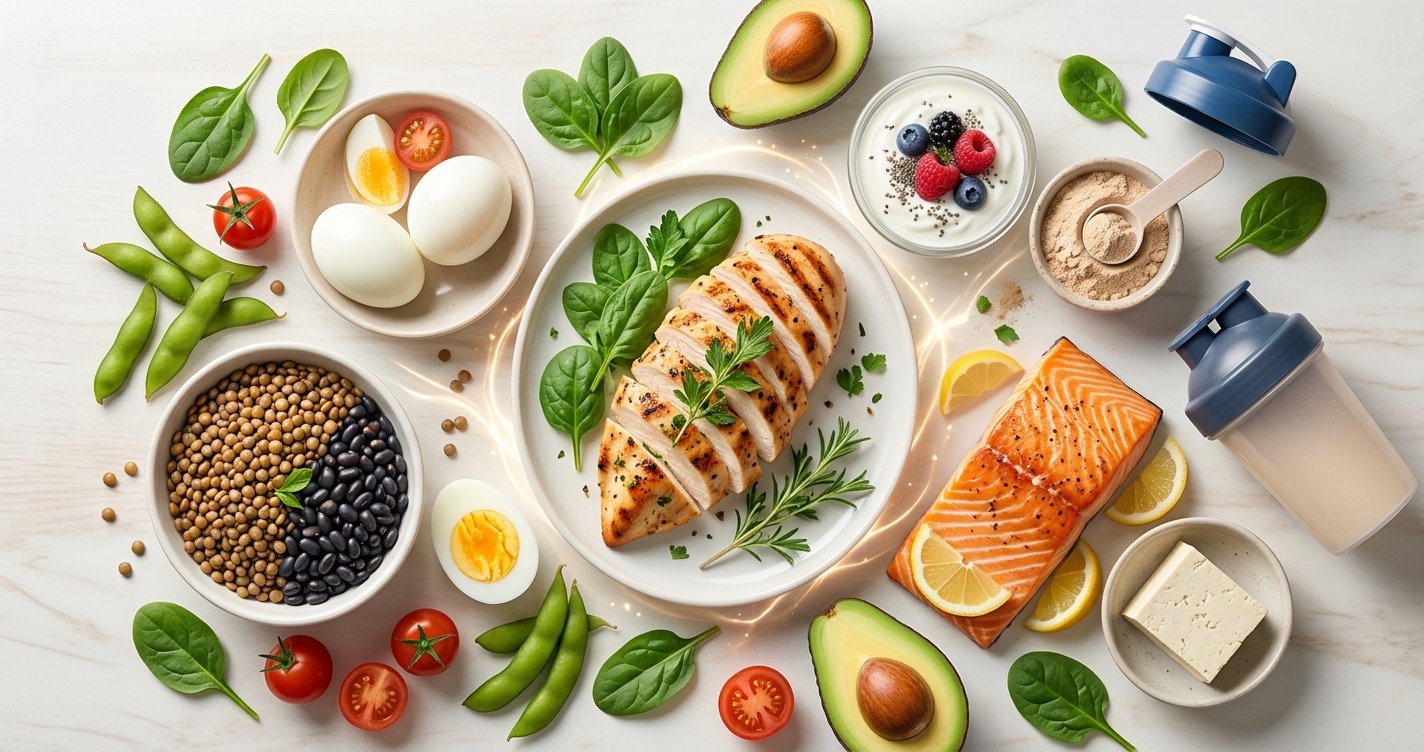
While meeting your protein target is key, the quality of your protein sources also matters. Aim for lean, whole food options that provide a complete amino acid profile.
Animal-Based Protein Sources:
- Lean Meats: Chicken breast, turkey, lean beef (sirloin, round), pork tenderloin.
- Fish & Seafood: Salmon, cod, tuna, shrimp, sardines.
- Eggs: Whole eggs are a complete protein powerhouse.
- Dairy: Greek yogurt, cottage cheese, milk, whey protein powder.
Plant-Based Protein Sources:
- Legumes: Lentils, chickpeas, black beans, kidney beans.
- Soy Products: Tofu, tempeh, edamame.
- Grains: Quinoa, oats (in smaller amounts).
- Nuts & Seeds: Almonds, peanuts, chia seeds, flax seeds (also provide healthy fats).
- Plant-Based Protein Powders: Pea, rice, hemp protein.
Smart Strategies to Boost Your Protein Intake
Incorporating more protein into your diet doesn't have to be complicated. Here are some practical tips:
- Start Your Day Strong: Make breakfast protein-rich. Think eggs, Greek yogurt, cottage cheese, or a protein smoothie.
- Protein at Every Meal: Aim to include a lean protein source with every main meal and snack.
- Prioritize Protein on Your Plate: When building your meals, think protein first, then add vegetables and complex carbs.
- Smart Snacking: Swap chips or sugary treats for protein-rich snacks like a handful of almonds, a hard-boiled egg, or a small container of Greek yogurt.
- Utilize Protein Powder: If meeting your goals through whole foods is challenging, a scoop of whey or plant-based protein powder in water, milk, or a smoothie can be a convenient boost.
- Batch Cook: Prepare lean protein sources like grilled chicken or hard-boiled eggs in advance for quick additions to meals.
Common Protein Myths Debunked
Let's clear up some common misconceptions that might be holding you back:
- “Too much protein is bad for your kidneys.” For healthy individuals with no pre-existing kidney conditions, a high-protein diet within the recommended ranges for fat loss is generally safe and not detrimental to kidney health. Always consult your doctor if you have specific health concerns.
- “Protein will make me bulky.” Protein builds muscle, but it won't automatically make you 'bulky' without significant dedicated resistance training, a calorie surplus, and often specific genetic predispositions. For most, adequate protein intake helps achieve a lean, toned physique.
- “Protein powder is unnatural/unnecessary.” Protein powder is simply a concentrated source of protein, often derived from milk (whey/casein) or plants (pea, rice, soy). It's a convenient supplement, not a magic potion, and can be very helpful for hitting your daily targets, especially for busy individuals or those with higher needs.
Putting It All Together: Your Protein-Powered Fat Loss Plan
Embracing protein as a cornerstone of your fat loss strategy is a game-changer. It's not about deprivation or extreme measures; it's about smart nutrition that supports your body's natural processes. By prioritizing protein, you'll feel more satisfied, burn more calories, protect your valuable muscle mass, and ultimately, achieve more sustainable and enjoyable fat loss.
Start by calculating your target protein intake and then identify ways to incorporate quality protein sources into every meal and snack. Be consistent, listen to your body, and enjoy the journey to a healthier, stronger you. Your plate is your power – make protein your priority!