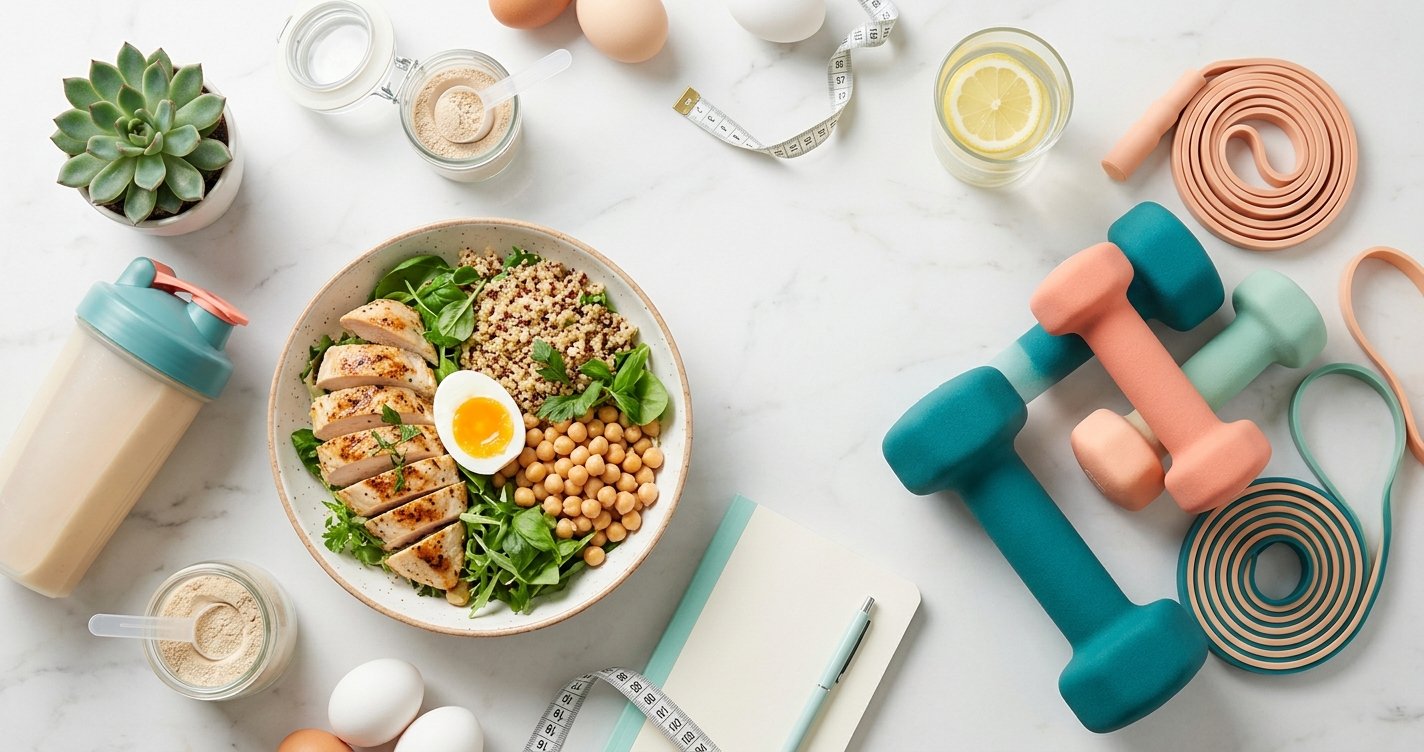
Embarking on a fat loss journey can feel like navigating a complex maze, with countless diets, fads, and conflicting advice at every turn. But what if we told you there's a powerful, often underestimated, ally that can make your path clearer, more enjoyable, and significantly more effective? We're talking about protein – not just a building block for muscles, but a true game-changer for sustainable fat loss. Forget extreme restrictions; let's dive into the evidence-based reasons why protein deserves a starring role in your diet.
Why Protein Is Your Fat Loss MVP (Most Valuable Player)
When it comes to shedding unwanted body fat and maintaining a lean physique, protein stands head and shoulders above carbohydrates and fats for several key reasons. It's not just about bulk; it's about smart nutrition that supports your body's goals. this excellent wellness product
1. The Satiety Superstar: Keeping You Fuller, Longer
One of the biggest hurdles in any fat loss plan is battling hunger and cravings. This is where protein shines brightest. Protein has a remarkable ability to increase feelings of fullness and reduce appetite more effectively than either fats or carbohydrates. Studies consistently show that higher protein intake leads to greater satiety, meaning you're less likely to overeat at subsequent meals or raid the snack cupboard. It helps regulate hunger hormones like ghrelin, keeping those rumbling stomach signals at bay.
2. The Metabolic Master: Boosting Your Calorie Burn
Did you know that your body expends energy just to digest, absorb, and metabolize the food you eat? This is known as the Thermic Effect of Food (TEF). Protein has a significantly higher TEF than carbohydrates or fats. While fats require very little energy to process (0-3% of their calorie content), and carbohydrates use 5-10%, protein demands a hefty 20-30%! This means that for every 100 calories of protein you consume, 20-30 of those calories are burned off just in the digestion process. Over the course of a day, this can add up to a noticeable boost in your overall calorie expenditure, giving you a slight metabolic edge.
3. Muscle Preservation: Protecting Your Metabolism
When you're in a calorie deficit (eating fewer calories than you burn) – which is essential for fat loss – your body can sometimes break down muscle tissue for energy, not just fat. This is where protein becomes crucial. A higher protein intake, especially when combined with strength training, helps signal to your body to preserve precious muscle mass. Why is muscle so important? Because muscle is metabolically active, meaning it burns more calories at rest than fat tissue does. Losing muscle slows down your metabolism, making future fat loss harder and increasing the risk of weight regain. Protein helps you hold onto that metabolic engine, ensuring your fat loss is truly fat loss, not muscle loss.
The Science-Backed Benefits: Beyond Just Feeling Full
The advantages of protein extend beyond simply curbing hunger and boosting metabolism. Its impact on your body's physiology is profound and directly supports a successful fat loss journey.
- Hormonal Harmony: Protein plays a role in balancing key hormones related to appetite and body composition. It can help reduce levels of ghrelin (the hunger hormone) and increase levels of peptide YY (PYY) and cholecystokinin (CCK), both of which promote feelings of fullness.
- Enhanced Fat Oxidation: Some research suggests that a higher protein diet can enhance the body's ability to burn fat for fuel, particularly when combined with exercise.
- Improved Body Composition: By preserving muscle mass during a calorie deficit, protein helps you achieve a more favorable body composition – less fat, more lean muscle. This not only looks better but also contributes to better overall health and metabolic function.
- Better Recovery and Performance: For those incorporating exercise (especially strength training) into their routine, adequate protein intake is vital for muscle repair and growth. This allows you to recover faster, perform better in your workouts, and build more muscle, further supporting your fat loss goals.
How Much Protein Do You Really Need? (And When?)
This is a common question, and the answer isn't a one-size-fits-all, but there are strong, evidence-based guidelines.
For individuals aiming for fat loss, especially those who are active and engaging in strength training, a general recommendation is to consume 1.6 to 2.2 grams of protein per kilogram of body weight per day. If you're very overweight, it might be more practical to calculate this based on your lean body mass or a target body weight to avoid excessively high (and potentially impractical) protein targets.
Let's put that into perspective:
- If you weigh 70 kg (about 154 lbs), you'd be looking at roughly 112 to 154 grams of protein per day.
- For a 90 kg (about 198 lbs) individual, that's approximately 144 to 198 grams.
Dispelling the myth: Many people worry about "too much protein" harming their kidneys. For healthy individuals, current scientific consensus indicates that high protein intake within these recommended ranges is safe and not detrimental to kidney function. Always consult with a healthcare professional if you have pre-existing kidney conditions.
When to eat it? While total daily intake is the most critical factor, distributing your protein intake relatively evenly throughout the day (e.g., 20-40 grams per meal) can optimize muscle protein synthesis and help manage hunger more effectively. Don't stress too much about the "anabolic window" post-workout; focus on consistent intake.
Delicious & Diverse Protein Sources
Hitting your protein targets doesn't have to be bland or boring. There's a vast array of delicious options to choose from:
Animal-Based Proteins:
- Lean Meats: Chicken breast, turkey, lean beef (sirloin, round), pork loin.
- Fish & Seafood: Salmon (rich in omega-3s!), tuna, cod, shrimp, tilapia.
- Eggs: The "perfect protein," versatile and affordable.
- Dairy: Greek yogurt, cottage cheese, milk, whey protein powder.
Plant-Based Proteins:
- Legumes: Lentils, chickpeas, black beans, kidney beans.
- Soy Products: Tofu, tempeh, edamame.
- Grains: Quinoa, oats (in smaller amounts).
- Nuts & Seeds: Almonds, walnuts, chia seeds, flax seeds, hemp seeds (good for healthy fats too!).
- Vegetables: While not primary protein sources, broccoli, spinach, and Brussels sprouts contribute small amounts that add up.
- Plant-Based Protein Powders: Pea, rice, soy, or blended plant proteins can be convenient supplements.
Aim for a variety to ensure you're getting a full spectrum of amino acids and other essential nutrients.
Practical Tips for Boosting Your Protein Intake
Incorporating more protein into your diet might seem daunting, but with a few simple strategies, it becomes second nature:
- Start Your Day with Protein: Instead of sugary cereals or toast, opt for eggs, Greek yogurt, cottage cheese, or a protein smoothie. This sets you up for satiety and stable energy levels.
- Protein at Every Meal and Snack: Make it a habit to include a protein source with every eating occasion. Think chicken with your salad, lentils with your rice, or a handful of nuts with your fruit.
- Smart Snacking: Ditch the empty calories. Choose protein-rich snacks like hard-boiled eggs, a small container of Greek yogurt, a handful of almonds, or beef jerky.
- Meal Prep Power: Cook larger batches of lean protein (chicken breast, ground turkey, lentils) at the beginning of the week to easily add to meals.
- Don't Fear Supplements (Wisely Used): Protein powders (whey, casein, plant-based) can be incredibly convenient for boosting intake, especially post-workout or when you're short on time. They are supplements, not replacements for whole foods.
- Read Labels: Pay attention to the protein content on food labels. You might be surprised where you can find hidden protein boosts!
Putting It All Together: A Sample Day
Here’s a glimpse of how you might structure a day with ample protein for fat loss:
- Breakfast: Scrambled eggs (3-4 large) with spinach and a slice of whole-grain toast.
- Lunch: Large salad with 150g (5oz) grilled chicken breast, mixed greens, bell peppers, and a light vinaigrette.
- Snack: Greek yogurt (1 cup) with a handful of berries.
- Dinner: Baked salmon (150-200g / 5-7oz) with roasted broccoli and quinoa (1/2 cup cooked).
- Optional Snack: Cottage cheese (1/2 cup) before bed, or a protein shake.
This sample provides a significant amount of protein, distributed well, and keeps you feeling satisfied throughout the day.
Your Protein-Powered Path to Sustainable Fat Loss
Protein isn't just another macronutrient; it's a foundational pillar for effective and sustainable fat loss. By prioritizing protein in your diet, you're not just counting calories; you're leveraging your body's natural mechanisms to feel fuller, boost your metabolism, protect your precious muscle, and ultimately, achieve a leaner, stronger, and healthier you. It's an evidence-based strategy that empowers you to take control of your hunger, fuel your workouts, and make your fat loss journey a successful and lasting one. Embrace the power of protein, and watch your body transform!