Why Protein is Your Secret Weapon for Fat Loss
Are you on a quest for sustainable fat loss, but feel like you're constantly battling hunger, struggling to maintain muscle, or just not seeing the results you hoped for? You're not alone! The world of dieting can be confusing, filled with fads and conflicting advice. But what if we told you there's one powerful nutrient that consistently stands out in the scientific community for its incredible role in helping you shed fat, preserve muscle, and feel great?
Enter protein! Often lauded by athletes and fitness enthusiasts, protein isn't just for bodybuilders. It's an essential macronutrient that plays a critical role in every single cell in your body, and it's particularly vital when you're trying to lose weight in a healthy, lasting way. This isn't about deprivation; it's about smart, evidence-based nutrition that empowers you to reach your goals. In this guide, we'll dive deep into the science behind protein for fat loss, giving you practical, friendly advice to help you optimize your diet and unlock your body's full potential. this excellent wellness product
Feel Fuller, Longer: The Satiety Factor
One of the biggest challenges when trying to lose fat is managing hunger. Cravings and constant feelings of emptiness can quickly derail even the best intentions. This is where protein shines! Protein is renowned for its superior ability to make you feel full and satisfied, much more so than carbohydrates or fats.
Why is this the case? It's all thanks to a fascinating interplay of hormones and signals in your body. When you consume protein, it triggers the release of satiety hormones like cholecystokinin (CCK) and peptide YY (PYY), which signal to your brain that you've had enough to eat. At the same time, it helps to suppress ghrelin, often called the 'hunger hormone'. The result? You feel more satisfied after meals, less prone to snacking between meals, and ultimately, you consume fewer calories naturally without feeling deprived. Research consistently supports this, showing that a higher protein intake can significantly reduce overall calorie intake and promote fat loss by simply making you feel more content.
Ignite Your Metabolism: Protein's Thermic Power
Have you ever heard that some foods burn more calories just by being digested? That's the Thermic Effect of Food (TEF) in action, and protein has the highest TEF of all macronutrients. TEF refers to the energy your body expends to digest, absorb, and metabolize the nutrients from your food.
While carbohydrates and fats have a TEF of about 5-10% and 0-3% of the calories consumed, respectively, protein boasts a TEF of 20-30%! This means that for every 100 calories of protein you consume, your body uses 20-30 of those calories just to process it. While this might seem like a small number, over the course of a day, week, or month, it adds up, contributing to a higher overall daily calorie expenditure. This metabolic boost, combined with protein's satiety benefits, creates a powerful one-two punch for fat loss, helping you create a calorie deficit more effectively.
Guard Your Gains: Why Protein Protects Muscle During Fat Loss
When you're in a calorie deficit to lose fat, your body doesn't always discriminate between fat and muscle for energy. One of the biggest risks during fat loss is losing valuable muscle mass along with fat. This is something you want to avoid at all costs! Muscle tissue is metabolically active, meaning it burns more calories at rest than fat tissue. Losing muscle can slow down your metabolism, making it harder to keep the fat off in the long run.
This is where adequate protein intake becomes absolutely critical. Protein provides the amino acids, the building blocks your body needs to repair and build muscle tissue. By consuming sufficient protein, especially when combined with resistance training, you send a strong signal to your body to preserve that precious muscle mass. This ensures that the weight you're losing is primarily fat, leading to a leaner, stronger physique and a healthier metabolism that supports long-term weight management. Think of protein as your muscle's best friend during a fat loss journey!
Your Personalized Protein Prescription: How Much is Enough?
So, if protein is so amazing, how much should you actually be eating? While individual needs can vary based on activity level, age, and current body composition, there are some excellent evidence-based guidelines to help you get started:
- Sedentary Individuals: If you're not very active, a good starting point is around 0.8 grams of protein per kilogram (or 0.36 grams per pound) of body weight.
- Active Individuals & Those Losing Fat: For those who exercise regularly or are actively trying to lose fat while preserving muscle, the recommendations increase. Aim for 1.6 to 2.2 grams of protein per kilogram (or 0.73 to 1.0 grams per pound) of body weight.
- Athletes & Strength Trainers: Some athletes or individuals engaged in very intense strength training might benefit from even higher intakes, sometimes up to 2.5-3.0 grams per kilogram, but for most people, the 1.6-2.2 g/kg range is highly effective.
Let's make it practical: If you weigh 150 pounds (approximately 68 kg) and are moderately active and looking to lose fat, you'd aim for roughly 110-150 grams of protein per day. This might sound like a lot, but it's very achievable with smart food choices and proper meal planning!
Smart Choices: Top Protein Sources to Boost Your Diet
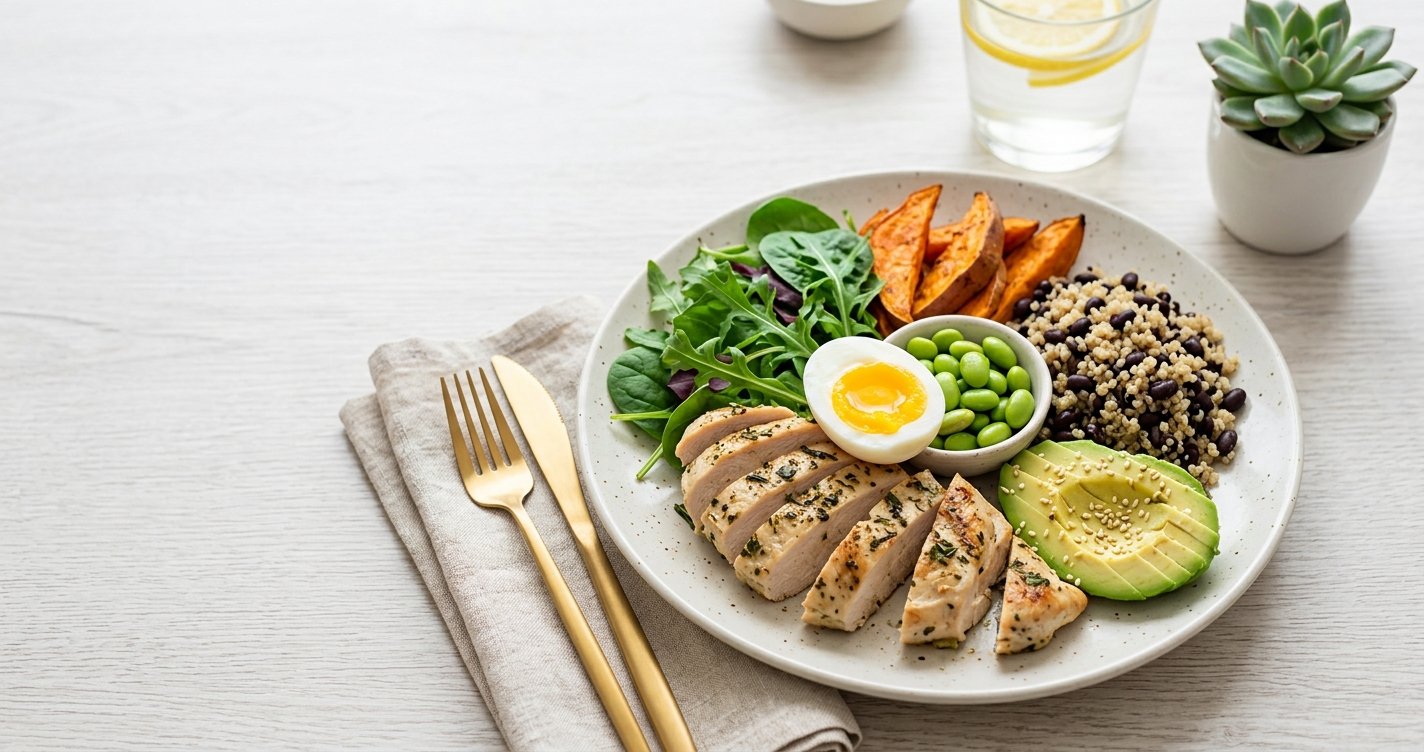
Now that you know how much protein you need, let's talk about where to get it! Variety is key, and thankfully, there are plenty of delicious and nutritious protein sources available:
- Lean Meats: Chicken breast, turkey, lean beef (sirloin, round), pork loin.
- Fish and Seafood: Salmon, tuna, cod, shrimp, sardines. These often come with the added benefit of healthy omega-3 fatty acids!
- Eggs: A complete protein powerhouse, incredibly versatile and affordable.
- Dairy Products: Greek yogurt, cottage cheese, milk, whey protein powder. These are excellent for satiety and often contain beneficial probiotics.
- Legumes: Lentils, chickpeas, black beans, kidney beans. Great for plant-based protein and fiber.
- Plant-Based Alternatives: Tofu, tempeh, edamame, seitan, various plant-based protein powders (pea, soy, rice).
- Nuts and Seeds: Almonds, walnuts, chia seeds, flax seeds. While also containing healthy fats, they contribute valuable protein.
Focus on incorporating a variety of these sources into your daily meals to ensure you're getting a broad spectrum of amino acids and other essential nutrients.
Timing is Everything: Spreading Your Protein Intake
It's not just about the total amount of protein you eat in a day; when and how you eat it can also make a significant difference. Instead of consuming most of your protein in one large meal, aim to distribute your intake evenly throughout the day across 3-5 meals or snacks.
Why is this important? Your body can only utilize a certain amount of protein for muscle synthesis at one time. Spreading out your protein intake ensures a steady supply of amino acids, optimizing muscle repair and growth, and keeping you feeling fuller for longer throughout the day. Aim for 20-40 grams of protein per meal, depending on your total daily target. Don't forget to include a good source of protein at breakfast to kickstart your metabolism and reduce morning cravings!
Busting Protein Myths: Separating Fact from Fiction
With so much information floating around, it's easy to fall prey to common myths. Let's clear up a couple:
- "Too much protein is bad for your kidneys." For healthy individuals with normal kidney function, there is extensive evidence showing that high protein intake (even up to 2.2-3.0 g/kg body weight) is safe and does not harm kidney health. If you have pre-existing kidney disease, consult your doctor.
- "Protein makes you bulky." Unless you're specifically training to become a bodybuilder and consuming a massive calorie surplus, simply eating more protein won't magically make you "bulky," especially for women. Protein helps build and preserve lean muscle, which contributes to a toned, strong physique, not an overly muscular one.
- "Protein powders are unnatural/unnecessary." Protein powders are simply a concentrated source of protein derived from whole foods (like milk for whey/casein, or peas/soy for plant-based). They are a convenient and effective way to meet your protein targets, especially when time is short or you need an extra boost. They are a supplement, not a replacement for whole foods.
Your Journey to a Leaner, Stronger You Starts Now!
Embracing protein as a cornerstone of your diet is one of the most effective and sustainable strategies for achieving your fat loss goals. It's not about complex diets or restrictive eating; it's about making smart, evidence-based choices that nourish your body, keep you feeling satisfied, and protect your precious muscle mass.
By prioritizing protein, you'll not only see the numbers on the scale shift, but you'll also experience improved energy levels, greater satiety, and a stronger, more toned physique. Remember, consistency is key, and small, sustainable changes lead to the most impactful results. Start today by adding a little more protein to each meal, exploring new sources, and feeling the incredible difference it makes. You've got this!