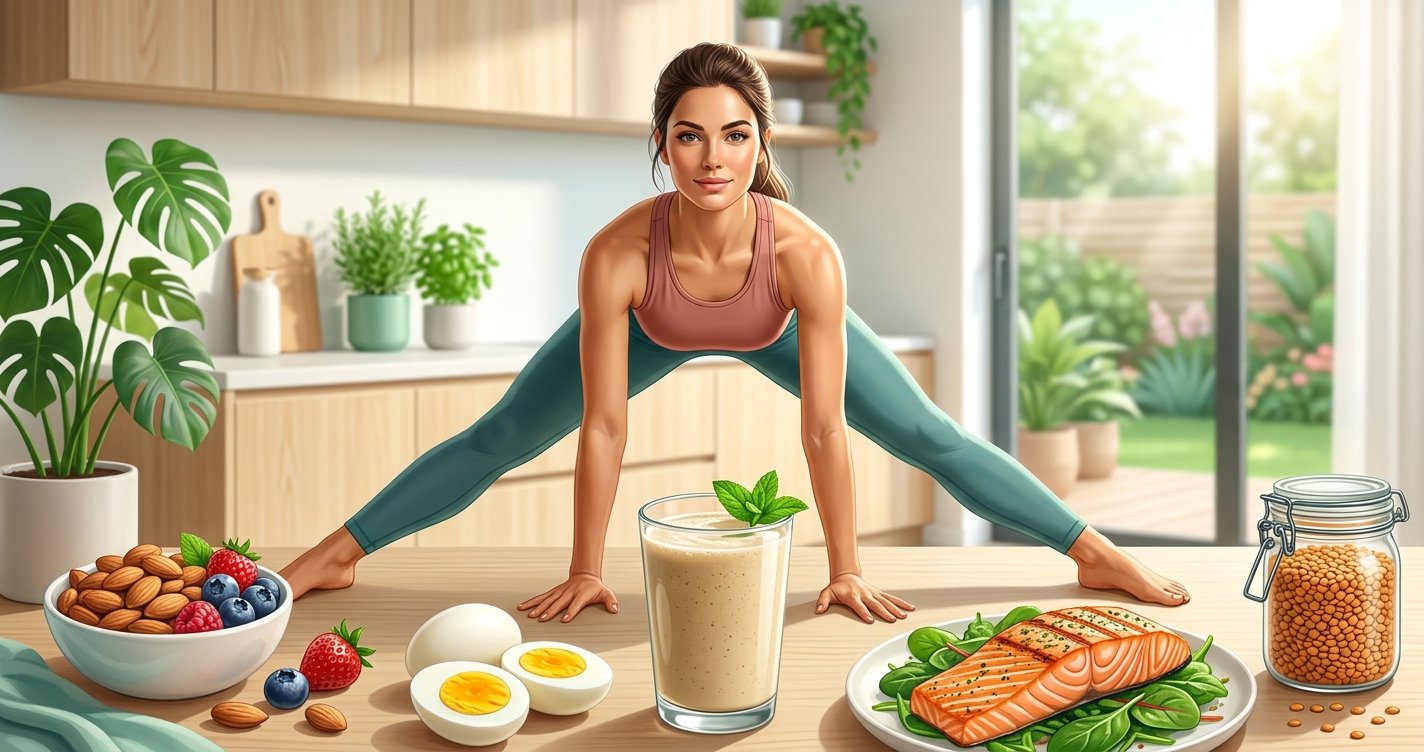
Protein Power: Your Ultimate Guide to Sustainable Fat Loss & Muscle Gain
Are you on a journey to shed unwanted fat, but feel like you're constantly battling hunger, energy slumps, and the dreaded 'plateau'? You're not alone! Many people focus solely on cutting calories, only to find themselves frustrated and discouraged. What if there was a powerful, science-backed strategy that could make your fat loss journey smoother, more satisfying, and more sustainable? Enter protein – your ultimate ally in the quest for a leaner, stronger you!
Forget the fad diets and extreme restrictions. This isn't about deprivation; it's about smart nutrition. In this comprehensive guide, we'll dive deep into why a high-protein diet is a game-changer for fat loss, how much you really need, the best sources to fuel your body, and practical tips to seamlessly integrate more protein into your daily life. Get ready to transform your approach to fat loss, preserve your hard-earned muscle, and feel fantastic while doing it! this excellent wellness product
Why Protein is Your Secret Weapon for Fat Loss
Protein isn't just for bodybuilders; it's a macronutrient powerhouse crucial for everyone, especially those looking to lose fat. Here's why it deserves a starring role in your diet:
The Satiety Factor: Feeling Fuller, Longer
One of the biggest challenges in fat loss is managing hunger. Protein excels here! Studies consistently show that protein is the most satiating macronutrient. When you eat protein, it signals to your brain that you're full, reducing cravings and the likelihood of overeating later. Imagine feeling satisfied after meals, making it easier to stick to your calorie goals without constant hunger pangs. That's the protein advantage!
The Thermic Effect of Food (TEF): Burning More Calories
Did you know that your body uses energy just to digest, absorb, and metabolize the food you eat? This is known as the Thermic Effect of Food (TEF). Protein has a significantly higher TEF compared to carbohydrates and fats. This means you burn more calories simply by consuming protein-rich foods. While it's not a magic bullet, this metabolic boost adds up over time, contributing to your overall calorie deficit and fat loss efforts.
Muscle Preservation: Protecting Your Metabolism
When you're in a calorie deficit to lose fat, your body can sometimes break down muscle tissue for energy, not just fat. This is bad news because muscle is metabolically active – it burns more calories at rest than fat does. A higher protein intake helps to signal your body to preserve muscle mass, ensuring that the weight you lose is primarily fat. By protecting your muscle, you maintain a higher resting metabolism, making it easier to keep the fat off in the long run.
How Much Protein Do You Really Need?
The recommended daily allowance (RDA) for protein is 0.8 grams per kilogram of body weight. However, for active individuals or those aiming for fat loss and muscle preservation, this amount is often too low. Current research suggests higher intakes are beneficial.
General Guidelines and Individual Needs
For optimal fat loss and muscle preservation, a good starting point is to aim for **1.6 to 2.2 grams of protein per kilogram of body weight** (or 0.7 to 1 gram per pound). For example, a person weighing 70 kg (approx. 154 lbs) would aim for roughly 112-154 grams of protein per day. This range provides ample protein to support satiety, TEF, and muscle maintenance.
Your specific needs might vary based on your activity level, age, and overall health goals. If you're very active or engaged in intense strength training, you might benefit from the higher end of this range.
Spreading Your Intake Throughout the Day
Instead of trying to hit all your protein goals in one massive meal, aim to distribute your protein intake evenly across your meals and snacks. This helps optimize muscle protein synthesis (the process of building and repairing muscle) and keeps you feeling fuller for longer throughout the day. Try to get 20-40 grams of protein per main meal.
Best Protein Sources to Incorporate
Variety is key! Incorporating a range of protein sources ensures you get a broad spectrum of essential amino acids and other vital nutrients. Here are some top picks:
Lean Meats & Poultry
- Chicken breast, turkey breast (skinless)
- Lean beef (sirloin, round, flank steak)
- Pork tenderloin
These are excellent sources of complete protein, rich in iron and B vitamins.
Fish & Seafood
- Salmon, tuna, cod, shrimp, tilapia
Fish not only provides high-quality protein but also essential omega-3 fatty acids, which are beneficial for overall health and can help reduce inflammation.
Dairy & Eggs
- Greek yogurt, cottage cheese, milk (low-fat or skim)
- Eggs (whole eggs or egg whites)
Dairy products offer casein and whey protein, both highly bioavailable. Eggs are a complete protein source and incredibly versatile.
Plant-Based Powerhouses
- Lentils, beans (black beans, chickpeas)
- Tofu, tempeh, edamame
- Quinoa, seitan
- Nuts and seeds (almonds, chia seeds, flax seeds)
For plant-based eaters, combining different sources can help ensure you get all essential amino acids. Many plant proteins also come with the added benefit of fiber.
Protein Supplements: When and Why
While whole foods should always be your primary source, protein supplements like whey, casein, soy, or pea protein powder can be a convenient way to boost your intake, especially post-workout or when you're short on time. They are not essential but can be a helpful tool in reaching your daily protein targets.
Practical Tips for Boosting Your Protein Intake
Integrating more protein into your diet doesn't have to be complicated. Here are some simple, actionable tips:
Smart Swaps and Additions
- Start your day with protein: Swap sugary cereals for eggs, Greek yogurt, or a protein smoothie.
- Add protein to every meal: Include a lean protein source in your breakfast, lunch, and dinner.
- Boost your salads: Top salads with grilled chicken, fish, hard-boiled eggs, or lentils.
- Choose protein-rich snacks: Opt for cottage cheese, a handful of almonds, beef jerky, or a protein bar instead of chips or cookies.
Meal Planning for Protein Success
Planning your meals in advance is a fantastic way to ensure you consistently hit your protein goals. Prepare larger batches of cooked chicken, ground turkey, or lentils at the beginning of the week so you have easy protein additions ready to go for multiple meals.
Don't Forget Your Snacks!
Snacks are a prime opportunity to sneak in extra protein. Instead of reaching for carb-heavy options, grab a handful of nuts, a hard-boiled egg, or a small container of Greek yogurt. These options will keep you feeling satisfied and less likely to graze on less nutritious foods.
Combining Protein with Other Fat Loss Strategies
While protein is incredibly powerful, it works best when combined with other healthy lifestyle habits. Think of it as a crucial piece of a larger, effective puzzle.
The Importance of a Calorie Deficit
Ultimately, to lose fat, you need to consume fewer calories than you burn (a calorie deficit). Protein helps you achieve this deficit more comfortably by promoting satiety and boosting metabolism. Track your intake initially to understand your baseline and adjust as needed.
Strength Training: A Perfect Partner
Pairing a high-protein diet with regular strength training is the ultimate combo for body recomposition. Strength training stimulates muscle growth and preservation, while protein provides the building blocks for that muscle. This synergy helps you lose fat while getting stronger and shaping your physique.
Hydration and Sleep: The Unsung Heroes
Don't underestimate the power of proper hydration and adequate sleep. Drinking enough water can help with satiety and metabolism, while 7-9 hours of quality sleep per night is vital for hormone regulation, recovery, and preventing cravings that can derail your fat loss efforts.
Common Myths and Misconceptions
Let's debunk a couple of common myths that might hold you back from embracing a high-protein diet.
"Too Much Protein is Bad for Your Kidneys"
This is a widely circulated myth. For healthy individuals with normal kidney function, there is no scientific evidence to suggest that a high-protein diet causes kidney damage. In fact, studies show that even very high protein intakes are safe for healthy kidneys. If you have pre-existing kidney disease, consult your doctor or a registered dietitian before increasing your protein intake.
"Protein Makes You Bulky"
Many, especially women, fear that increasing protein will make them look "bulky." This is generally untrue. Building significant muscle mass requires intense training, a specific calorie surplus, and often specific hormonal profiles. Protein helps build and preserve lean muscle, which contributes to a toned, athletic physique, not necessarily bulkiness, unless that is your specific, intentional goal with very targeted training.
Your Journey to Sustainable Fat Loss Starts Now!
Embracing a high-protein diet is more than just a fat loss strategy; it's a foundation for a healthier, stronger, and more energetic lifestyle. By prioritizing protein, you'll feel more satisfied, preserve valuable muscle, boost your metabolism, and make your fat loss journey genuinely sustainable and enjoyable. Remember, consistency is key!
Start small, make gradual changes, and listen to your body. Track your protein intake for a few days to see where you stand, then begin incorporating more of those delicious, protein-rich foods into your meals and snacks. You've got this! Fuel your body right, stay consistent, and watch as you unlock your true fat loss potential.