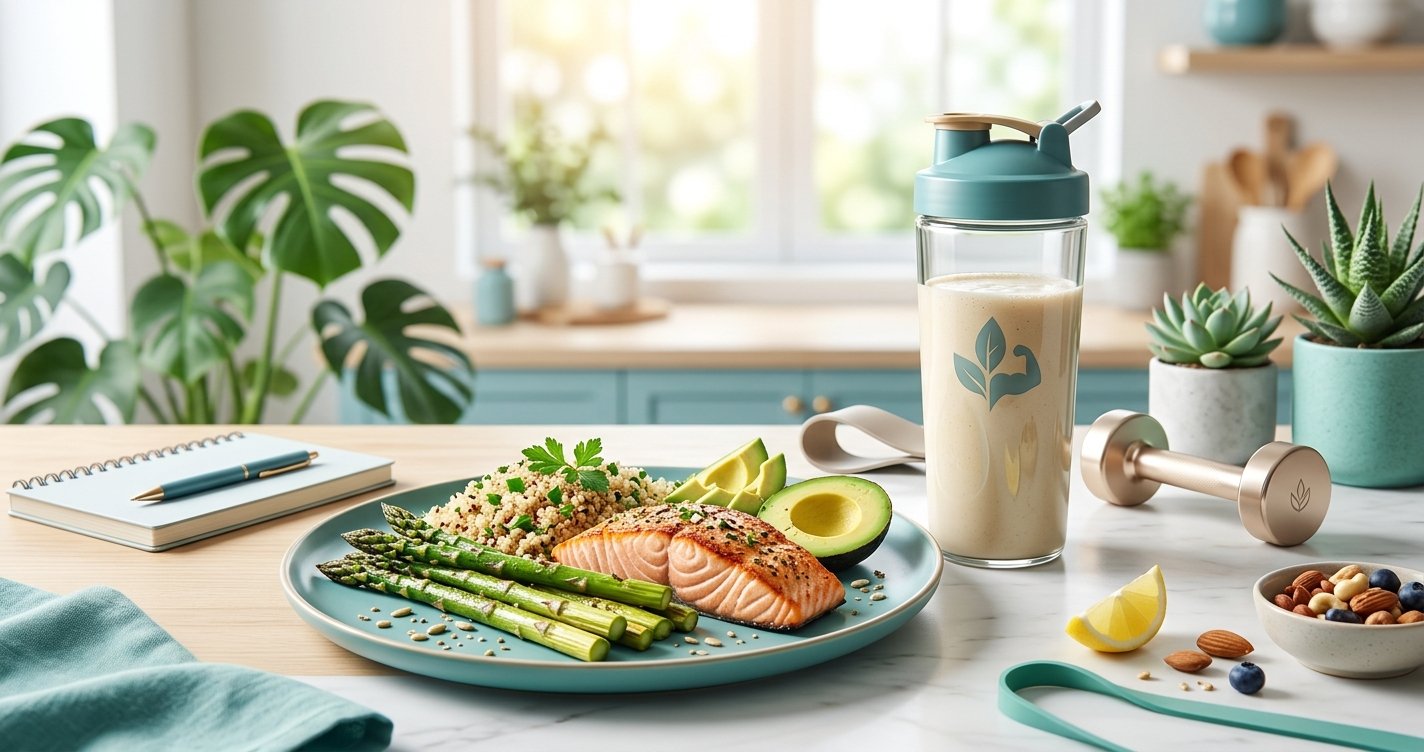
Are you tired of restrictive diets that leave you feeling hungry, drained, and ultimately disappointed? Many people embark on a fat loss journey only to find themselves stuck in a cycle of deprivation and plateaus. What if we told you there's a powerful, evidence-based strategy that can make your fat loss journey smoother, more satisfying, and truly sustainable? Enter the mighty macronutrient: protein.
Often hailed as the building block of life, protein plays an absolutely crucial role in our health, and it's an undeniable superstar when it comes to shedding fat and maintaining a lean, strong body. It's not just for bodybuilders; a high-protein diet is a game-changer for anyone looking to optimize their body composition, feel fuller for longer, and boost their metabolism. Let's dive into why making protein a priority can transform your fat loss efforts. this excellent wellness product
Why Protein is Your Fat Loss MVP (Most Valuable Player)
Protein isn't just about building biceps; it's a multi-talented nutrient that directly supports your fat loss goals in several key ways. Understanding these mechanisms can empower you to make smarter dietary choices.
The Satiety Superstar: Feeling Fuller, Longer
One of the biggest challenges in fat loss is managing hunger. Cravings and a constant feeling of emptiness can derail even the most determined efforts. This is where protein shines! Protein has a remarkable ability to increase satiety – that wonderful feeling of fullness and satisfaction – more effectively than carbohydrates or fats. When you consume protein, it triggers the release of specific hormones (like GLP-1 and PYY) that signal to your brain that you're full, reducing your appetite and making you less likely to overeat at subsequent meals or snack unnecessarily. Imagine going longer between meals without feeling ravenous – that's the protein advantage!
Metabolic Magic: The Thermic Effect of Food (TEF)
Did you know that your body expends energy just to digest, absorb, and metabolize the food you eat? This is known as the Thermic Effect of Food (TEF), and protein has the highest TEF of all macronutrients. Approximately 20-30% of the calories from protein are burned off during digestion, compared to 5-10% for carbohydrates and 0-3% for fats. What does this mean for you? By increasing your protein intake, you can slightly boost your daily calorie expenditure without lifting an extra finger. It's like a mini-metabolic furnace working for you around the clock!
Muscle Guardian: Preserving Lean Mass During a Deficit
When you're in a calorie deficit – eating fewer calories than your body burns – your body naturally looks for energy sources. Without adequate protein, there's a risk of losing not just fat, but also precious muscle mass. Muscle is metabolically active tissue, meaning it burns more calories at rest than fat does. Preserving muscle mass during fat loss is crucial for maintaining a healthy metabolism and achieving a toned physique. A higher protein intake provides the necessary amino acids to help your body hold onto muscle while it sheds fat, ensuring that the weight you lose is primarily fat, not muscle.
How Much Protein Do You Really Need for Fat Loss?
While the general recommendation for sedentary adults is 0.8 grams of protein per kilogram of body weight, this amount is often insufficient for active individuals or those aiming for fat loss. For optimal fat loss and muscle preservation, current research suggests a higher intake. A good starting point is aiming for:
- 1.6 to 2.2 grams of protein per kilogram of body weight (0.73 to 1 gram per pound of body weight).
For example, if you weigh 70 kg (about 154 lbs), you'd aim for roughly 112 to 154 grams of protein per day. This might sound like a lot, but by distributing it strategically throughout your meals, it's very achievable. Individual needs can vary based on activity level, age, and specific goals, so listening to your body and consulting with a nutritionist can always provide personalized guidance.
Your Plate's Powerhouses: Best Protein Sources
Variety is the spice of life, and it's also key to getting a full spectrum of amino acids and other nutrients. Here are some excellent sources of protein to incorporate into your diet:
Animal-Based Proteins:
- Lean Meats: Chicken breast, turkey, lean beef (sirloin, round), pork loin.
- Fish and Seafood: Salmon, tuna, cod, shrimp, sardines (rich in omega-3s too!).
- Eggs: A complete protein, versatile, and affordable.
- Dairy: Greek yogurt, cottage cheese, milk, whey protein (great for snacks and post-workout).
Plant-Based Proteins:
- Legumes: Lentils, chickpeas, black beans, kidney beans.
- Soy Products: Tofu, tempeh, edamame (versatile and complete proteins).
- Quinoa: A grain that's also a complete protein.
- Nuts and Seeds: Almonds, peanuts, chia seeds, flax seeds (also provide healthy fats).
- Plant-Based Protein Powders: Pea protein, rice protein, hemp protein (can supplement your intake).
Practical Strategies to Boost Your Protein Intake
Now that you know the 'why' and the 'what,' let's get to the 'how.' Incorporating more protein into your daily routine doesn't have to be complicated. Here are some actionable tips:
- Make Protein a Priority at Every Meal: Aim to include a significant source of protein in your breakfast, lunch, and dinner. Starting your day with protein (e.g., eggs, Greek yogurt, or a protein smoothie) can help manage hunger throughout the day.
- Smart Snacking: Ditch sugary, processed snacks and opt for protein-rich alternatives. Think a handful of almonds, a hard-boiled egg, cottage cheese, or a protein bar.
- Prep Ahead: Cook larger batches of protein sources like grilled chicken, baked salmon, or lentils at the beginning of the week. This makes it easy to add protein to meals on the go.
- Don't Fear the Powder: Protein powders (whey, casein, pea, rice) can be convenient and effective tools to boost your intake, especially post-workout or when you're short on time. Blend them into smoothies, oatmeal, or even bake with them.
- Legumes and Grains: Incorporate beans, lentils, and quinoa into salads, soups, and as side dishes to easily increase your plant-based protein.
Beyond Protein: Integrating for Optimal Results
While protein is a powerful ally, remember that it's part of a larger picture. For truly sustainable fat loss and overall health, consider these complementary strategies:
- Balanced Macronutrients: Pair your protein with complex carbohydrates (whole grains, fruits, vegetables) for sustained energy and fiber, and healthy fats (avocado, nuts, olive oil) for hormone function and nutrient absorption.
- Strength Training: Lifting weights is arguably the best exercise for preserving and building muscle mass, which works synergistically with a high-protein diet to boost metabolism and improve body composition.
- Hydration: Drink plenty of water throughout the day. Sometimes thirst can be mistaken for hunger.
- Sleep and Stress Management: Poor sleep and chronic stress can wreak havoc on your hormones, making fat loss more challenging. Prioritize quality sleep and find healthy ways to manage stress.
Common Protein Myths Debunked
You might have heard some misconceptions about protein. Let's clear the air:
- "Too much protein is bad for your kidneys." For healthy individuals with normal kidney function, there is extensive research showing that high protein intake (even up to 3.4g/kg) does not negatively impact kidney health. If you have pre-existing kidney disease, consult your doctor.
- "Protein will make me bulky." This is a common concern, especially among women. Building significant muscle mass requires intense training, a specific calorie surplus, and often genetic predisposition. Protein helps build and repair muscle, but it won't automatically make you "bulky" without the specific training and caloric context. Instead, it helps create a lean, toned physique.
Embrace the Power of Protein for Lasting Change
Making protein a cornerstone of your diet is one of the most effective, evidence-based strategies you can adopt for sustainable fat loss and improved body composition. It helps you feel fuller, boosts your metabolism, and protects your hard-earned muscle – all while making your journey more enjoyable and less about deprivation.
It’s not about perfection, but about consistent, small changes that add up. Start by consciously adding a quality protein source to every meal. Experiment with different recipes and protein-rich snacks. With a little planning and consistency, you'll unlock the incredible power of protein and pave your way to a healthier, stronger, and more confident you. You've got this!