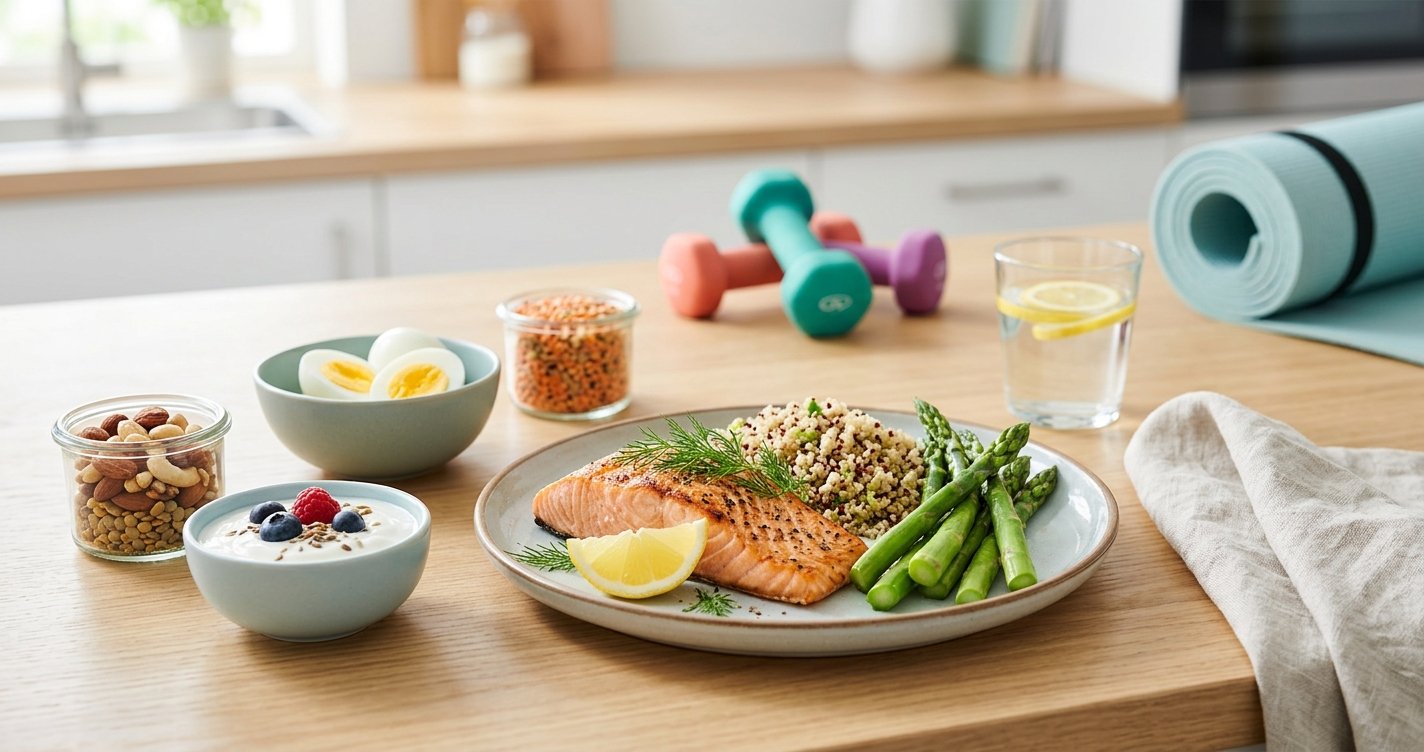
Unlock Your Fat Loss Potential with Protein
Embarking on a fat loss journey can feel like navigating a complex maze, with countless diets and workout plans promising quick fixes. But what if one key nutrient could significantly simplify the process, making it more effective and sustainable? We're talking about protein, your unsung hero in the quest for a leaner, stronger you. Far from being just for bodybuilders, protein is a powerhouse for anyone looking to shed fat, maintain precious muscle, and feel great.
In this guide, we'll dive deep into the evidence-based reasons why protein is indispensable for fat loss, how much you truly need, and practical ways to effortlessly integrate more of it into your daily life. Get ready to transform your approach to nutrition and unlock lasting results! this excellent wellness product
Why Protein is Your Fat Loss MVP (Most Valuable Player)
Protein isn't just a building block; it's a strategic player in your fat loss game, offering multiple benefits that support your goals:
1. Satiety & Hunger Control: Feeling Full, Longer
One of the biggest challenges in fat loss is managing hunger and cravings. Protein excels here! It’s the most satiating macronutrient, meaning it helps you feel fuller for longer periods compared to carbohydrates or fats. When you incorporate adequate protein into your meals, you’re less likely to experience those nagging hunger pangs that often lead to overeating or unhealthy snacking. This enhanced satiety naturally helps you adhere to a calorie deficit without feeling deprived, making your fat loss journey much more comfortable and sustainable.
2. Thermic Effect of Food (TEF): Burning More Calories Just by Eating
Did you know your body expends energy just to digest, absorb, and metabolize the food you eat? This is known as the Thermic Effect of Food (TEF), and protein has the highest TEF of all macronutrients. Approximately 20-30% of the calories from protein are used in its digestion, compared to 5-10% for carbohydrates and 0-3% for fats. This means that by simply eating protein, you're burning more calories throughout the day, giving your metabolism a small, consistent boost that adds up over time.
3. Muscle Preservation: Protecting Your Metabolism
When you lose weight, you want to lose fat, not muscle. Unfortunately, calorie restriction can sometimes lead to muscle loss, which is detrimental because muscle tissue is more metabolically active than fat tissue. This means muscle burns more calories at rest. A higher protein intake, especially when combined with resistance training, helps to preserve lean muscle mass during a calorie deficit. By protecting your muscle, you safeguard your metabolic rate, making it easier to maintain your weight loss in the long run and achieve a more toned physique.
How Much Protein Do You Really Need for Fat Loss?
While general guidelines exist, your specific protein needs can vary based on your activity level, current body weight, and fat loss goals. However, for optimal fat loss and muscle preservation, current evidence-based recommendations are higher than what many people typically consume.
- General Recommendation: For individuals actively trying to lose fat, a common recommendation is to aim for 1.6 to 2.2 grams of protein per kilogram of body weight per day (or approximately 0.7 to 1 gram per pound of body weight).
- Example: If you weigh 70 kg (about 154 lbs), you'd be looking at roughly 112 to 154 grams of protein daily.
- Spread it Out: Instead of trying to cram all your protein into one meal, aim to distribute it fairly evenly across your meals (e.g., 25-40 grams per meal, depending on your total target) to optimize muscle protein synthesis throughout the day.
Remember, these are guidelines. Listening to your body and adjusting based on how you feel and your progress is always key. Consulting with a registered dietitian or healthcare professional can provide personalized advice.
Smart Protein Choices: Quality Matters
Not all protein sources are created equal. Focusing on high-quality, whole food sources will provide not only protein but also essential vitamins, minerals, and other beneficial nutrients:
- Lean Meats & Poultry: Chicken breast, turkey, lean beef cuts (sirloin, round), pork loin are excellent sources.
- Fish & Seafood: Salmon, tuna, cod, shrimp, and other seafood offer high-quality protein along with omega-3 fatty acids, which are beneficial for overall health.
- Dairy Products: Greek yogurt, cottage cheese, milk, and whey protein provide complete proteins and are versatile for meals and snacks.
- Eggs: A complete protein source, incredibly versatile and affordable.
- Legumes & Beans: Lentils, chickpeas, black beans are great plant-based protein options, also rich in fiber.
- Plant-Based Alternatives: Tofu, tempeh, edamame, and seitan are fantastic for vegetarians and vegans looking to boost protein intake.
- Protein Supplements: While whole foods should be your primary focus, protein powders (whey, casein, soy, pea, rice) can be a convenient way to meet your protein targets, especially post-workout or when you're on the go.
Practical Tips for Boosting Your Protein Intake
Integrating more protein into your diet doesn't have to be complicated. Here are some simple, actionable tips:
- Start Your Day Strong: Make breakfast a protein priority. Think Greek yogurt with berries, scrambled eggs, a protein smoothie, or cottage cheese.
- Protein at Every Meal: Aim to include a significant protein source in all your main meals. This helps with satiety and consistent nutrient delivery.
- Smart Snacking: Ditch carb-heavy snacks for protein-rich options like hard-boiled eggs, a handful of almonds, string cheese, or a small serving of cottage cheese.
- Meal Prep for Success: Cook a batch of chicken breast, lean ground turkey, or lentils at the beginning of the week to easily add to salads, wraps, or stir-fries.
- Sneak it In: Add protein powder to oatmeal, pancakes, or baked goods. Mix lentils into ground meat dishes.
- Make Simple Swaps: Choose whole-wheat pasta with meat sauce instead of plain pasta, or opt for a lettuce wrap instead of a bread bun for your burger.
Beyond Protein: A Holistic Approach
While protein is a powerful ally, remember that it's part of a larger picture. Sustainable fat loss thrives on a holistic approach:
- Calorie Deficit: Ultimately, you need to consume fewer calories than you burn to lose fat. Protein helps make this easier to achieve and maintain.
- Strength Training: Incorporating resistance exercises is crucial for building and preserving muscle mass, which enhances your metabolism and body composition.
- Hydration: Drinking enough water supports all bodily functions, including metabolism and satiety.
- Sleep: Adequate sleep (7-9 hours) is vital for hormone regulation, hunger control, and recovery.
- Mindful Eating: Paying attention to your hunger and fullness cues can prevent overeating and foster a healthier relationship with food.
Embrace the Power of Protein for Lasting Results
Protein is much more than just a nutrient; it's a strategic tool that can significantly enhance your fat loss journey. By prioritizing sufficient protein intake, you'll feel fuller, burn more calories, protect your muscle, and ultimately achieve a leaner, stronger, and healthier physique. It’s an evidence-backed strategy that empowers you to take control of your nutrition and build sustainable habits.
So, why wait? Start incorporating these protein-boosting tips into your daily routine today and discover the transformative power of this incredible macronutrient. Your body (and your fat loss goals) will thank you!