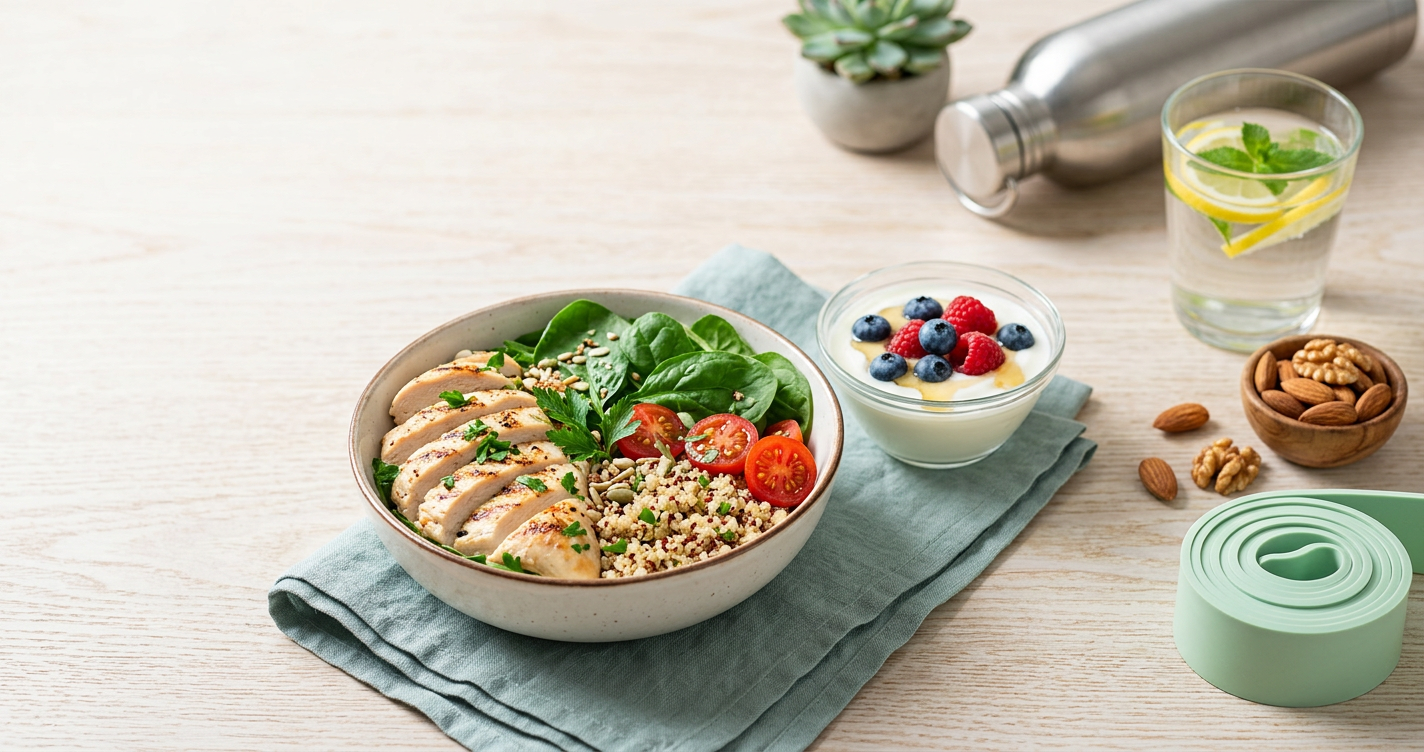
Embarking on a fat loss journey can sometimes feel like solving a complex puzzle. You’re tracking calories, increasing activity, and trying to make healthier food choices. But what if there was one key nutrient that could significantly amplify your efforts, make the process more sustainable, and help you sculpt a leaner, stronger physique? Enter protein, the unsung hero of fat loss!
Often associated primarily with bodybuilders, protein is a macronutrient vital for everyone, especially those aiming to shed unwanted body fat. It plays a multifaceted role in your metabolism, satiety, and muscle preservation, making it an indispensable ally in your quest for a healthier you. Forget restrictive diets and endless cardio; by strategically incorporating more protein into your daily routine, you can transform your fat loss experience from a struggle into a sustainable success. Let’s dive into the evidence-based power of protein and discover how it can unlock your true fat loss potential. this excellent wellness product
Why Protein is Your Fat Loss MVP (Most Valuable Player)
Protein isn't just about building big muscles; it's a powerhouse for fat loss, impacting your body in several profound ways that make shedding pounds easier and more effective.
Satiety: Feeling Fuller, Longer
One of the biggest challenges in a calorie deficit is managing hunger. Cravings and a constant feeling of emptiness can derail even the most determined efforts. This is where protein truly shines. Protein has a remarkable ability to increase satiety – the feeling of fullness and satisfaction – more effectively than carbohydrates or fats. When you consume protein, it triggers the release of hormones like GLP-1 and PYY, which signal to your brain that you’re full. This means you’ll naturally eat less throughout the day, reduce snacking, and find it much easier to stick to your calorie goals without feeling deprived. Imagine going longer between meals without that gnawing hunger – that’s the protein advantage!
The Thermic Effect of Food (TEF): Burning More Calories
Did you know that your body burns calories just to digest and process the food you eat? This is known as the Thermic Effect of Food (TEF). And guess which macronutrient has the highest TEF? You guessed it – protein! Approximately 20-30% of the calories from protein are expended during digestion, compared to 5-10% for carbohydrates and 0-3% for fats. While this might seem like a small difference, it adds up over the course of a day, week, and month. By simply choosing protein-rich foods, you’re giving your metabolism a slight, continuous boost, helping you burn more calories around the clock.
Muscle Preservation: Protecting Your Metabolism
When you’re in a calorie deficit, your body doesn’t just burn fat; it can also break down muscle tissue for energy. Losing muscle is detrimental because muscle is metabolically active – it burns more calories at rest than fat tissue. A higher muscle mass means a higher resting metabolic rate (RMR), making it easier to maintain a healthy weight in the long run. Consuming adequate protein during fat loss is crucial for preserving this precious muscle mass. Protein provides the amino acids necessary for muscle repair and synthesis, signaling to your body to hold onto its muscle while tapping into fat stores for energy. This ensures that the weight you lose is primarily fat, not muscle, keeping your metabolism humming along efficiently.
How Much Protein Do You Actually Need?
The optimal protein intake isn't a one-size-fits-all number. It depends on several factors, but general guidelines exist to help you get started.
General Guidelines vs. Individual Needs
For the average sedentary adult, the Recommended Dietary Allowance (RDA) for protein is 0.8 grams per kilogram of body weight (or about 0.36 grams per pound). However, for individuals actively pursuing fat loss, especially those who are physically active, this amount is often insufficient to maximize the benefits mentioned above. Research suggests a higher intake is more beneficial for satiety, TEF, and muscle preservation during a calorie deficit.
Factors Influencing Protein Requirements
- Activity Level: If you exercise regularly, especially with strength training, your protein needs will be higher to support muscle repair and growth.
- Age: As we age, our bodies become less efficient at utilizing protein, a phenomenon known as anabolic resistance. Older adults may benefit from higher protein intake to prevent muscle loss (sarcopenia).
- Goals: For fat loss and muscle preservation, a common recommendation ranges from 1.6 to 2.2 grams of protein per kilogram of body weight (or approximately 0.7 to 1.0 grams per pound of target body weight). Some studies even suggest going slightly higher for very active individuals or those aiming for aggressive fat loss, up to 2.5-3.0 g/kg.
It’s wise to start at the lower end of the fat loss range and adjust based on how you feel and your results. For example, if you weigh 150 lbs (approx. 68 kg), aiming for 100-150 grams of protein per day would be a good starting point.
Delicious & Diverse Protein Sources
Meeting your protein goals doesn't have to be bland or boring. There's a vast array of delicious and nutritious options available.
Animal-Based Proteins: Lean Meats, Poultry, Fish, Dairy, Eggs
- Lean Meats: Chicken breast, turkey breast, lean beef (sirloin, round), pork loin.
- Fish: Salmon, tuna, cod, tilapia, sardines – excellent sources of protein and often healthy fats (omega-3s).
- Dairy: Greek yogurt, cottage cheese, milk, whey protein (powder) – versatile and convenient.
- Eggs: A complete protein source, incredibly versatile and affordable.
Plant-Based Proteins: Legumes, Tofu, Tempeh, Edamame, Nuts, Seeds, Grains
- Legumes: Lentils, chickpeas, black beans – great in stews, salads, or as a side.
- Soy Products: Tofu, tempeh, edamame – fantastic for stir-fries, curries, or grilling.
- Nuts and Seeds: Almonds, peanuts, chia seeds, flax seeds, pumpkin seeds – good for snacks or toppings (but calorie-dense, so portion control is key).
- Grains: Quinoa, oats, whole wheat pasta – provide some protein alongside complex carbohydrates.
Protein Supplements: When and Why?
While whole foods should always be your primary source of nutrition, protein supplements like whey, casein, or plant-based protein powders can be a convenient and effective way to meet your daily protein targets, especially if you have a busy lifestyle, struggle to eat enough whole foods, or have specific dietary restrictions. They are not magic pills but a tool to complement your diet.
Smart Strategies to Boost Your Protein Intake
Incorporating more protein into your daily meals is easier than you think with a few strategic adjustments.
Prioritize Protein at Every Meal
Instead of thinking of protein as an afterthought, make it the cornerstone of your meals. Start by planning your protein source, then build the rest of your meal around it with vegetables and healthy carbohydrates. Aim for 20-40 grams of protein at breakfast, lunch, and dinner.
Smart Snacking with Protein
Swap out sugary or carb-heavy snacks for protein-rich alternatives. Greek yogurt, cottage cheese, a handful of almonds, hard-boiled eggs, or a protein shake can keep you full and prevent energy crashes between meals, reducing the likelihood of overeating later.
Meal Prep for Protein Success
Dedicate some time each week to prepare protein sources in advance. Cook a batch of chicken breast, hard-boil a dozen eggs, or prepare a lentil salad. Having ready-to-eat protein options makes healthy eating effortless, especially on busy days.
Common Protein Myths Debunked
Let's address some common misconceptions that might be holding you back from embracing protein.
"Too Much Protein is Bad for Your Kidneys"
This is a persistent myth. For healthy individuals with normal kidney function, there is no scientific evidence to suggest that a high-protein diet causes kidney damage. Studies have shown that even very high protein intakes (up to 3.4 g/kg) are safe for healthy individuals. If you have pre-existing kidney disease, it’s crucial to consult your doctor or a registered dietitian, as protein intake might need to be monitored.
"Protein Makes You Bulky"
Many, especially women, fear that increasing protein will automatically lead to a bulky physique. This is untrue. Building significant muscle mass requires a specific training regimen, often a calorie surplus, and hormonal factors that are more prevalent in men. Protein supports muscle growth, but it won't make you 'bulky' on its own, especially when you're in a calorie deficit for fat loss. Instead, it helps create a lean, toned appearance.
Putting It All Together: Your Protein-Powered Fat Loss Plan
Ready to put protein to work for you? Here’s what a day of high-protein eating could look like:
- Breakfast (30-40g protein): Greek yogurt (1 cup) with a scoop of protein powder mixed in, topped with berries and a sprinkle of chia seeds. Or, scrambled eggs (3-4) with spinach and a slice of whole-grain toast.
- Lunch (30-40g protein): Large salad with grilled chicken breast (4-6 oz), mixed greens, bell peppers, cucumber, and a light vinaigrette. Or, a bowl of lentil soup with a side of cottage cheese.
- Snack (15-25g protein): A handful of almonds and a small apple, or a protein shake made with water/unsweetened almond milk.
- Dinner (35-45g protein): Baked salmon (5-6 oz) with a generous serving of roasted broccoli and a small sweet potato. Or, lean ground turkey stir-fry with plenty of mixed vegetables and a small portion of quinoa.
Remember, these are just examples. The key is consistency and finding protein sources and meal combinations that you enjoy and that fit your lifestyle.
Embrace Protein, Embrace Sustainable Fat Loss
Protein is far more than just a muscle builder; it's a powerful and often underutilized tool in your fat loss arsenal. By prioritizing adequate protein intake, you can effectively manage hunger, slightly boost your metabolism, and most importantly, preserve your precious muscle mass while shedding fat. This leads to a more sustainable, enjoyable, and ultimately successful fat loss journey, leaving you feeling stronger, leaner, and more energized.
Don't underestimate the power of protein. Start incorporating these strategies today, listen to your body, and watch as you unlock a more effective and empowering path to your fat loss goals. Consult with a healthcare professional or a registered dietitian for personalized advice, especially if you have any underlying health conditions.