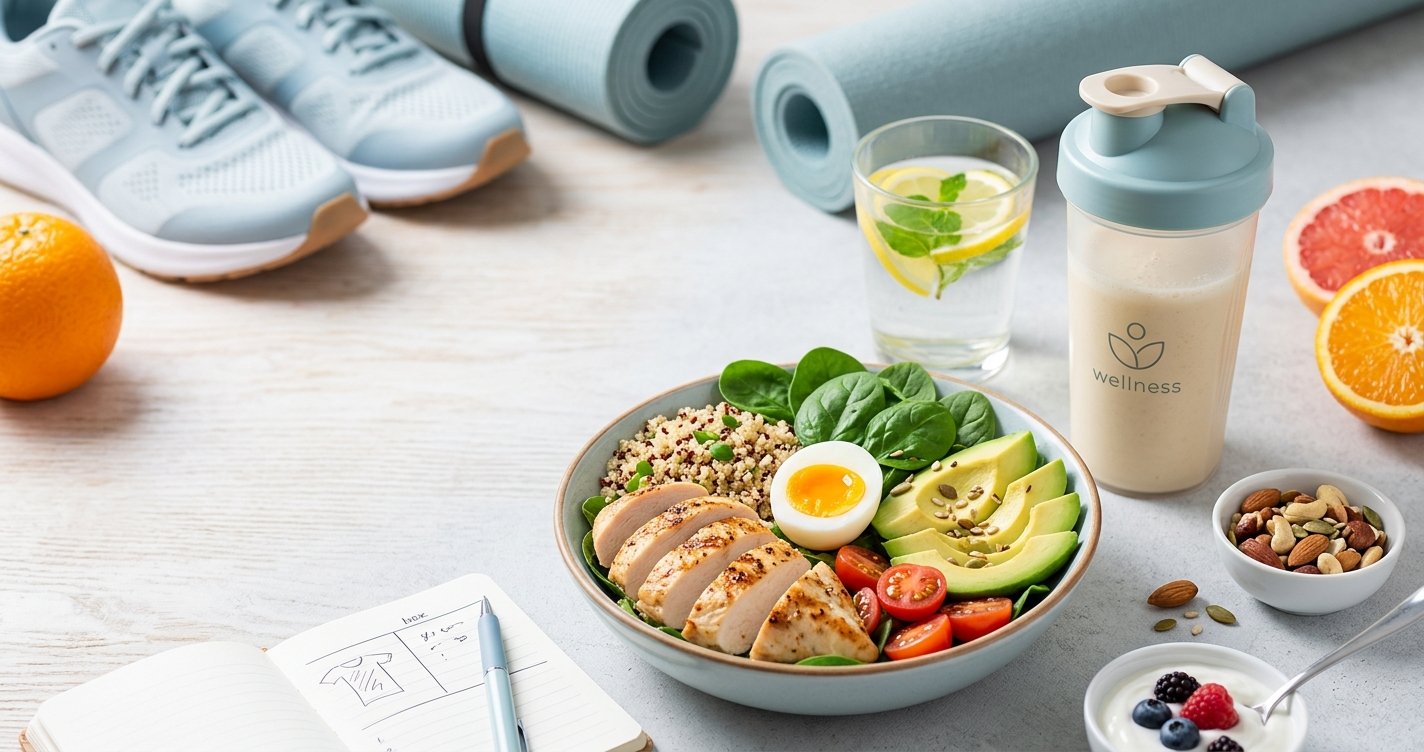
When it comes to fat loss, the internet is flooded with quick fixes, restrictive diets, and complex workout routines. It's easy to get overwhelmed and feel like you need to completely overhaul your life to see results. But what if we told you there's a powerful, evidence-backed strategy that's often overlooked, incredibly effective, and surprisingly simple to integrate into your daily life? We're talking about protein – your unsung hero in the journey to sustainable fat loss.
Forget the myth that protein is just for bodybuilders. For anyone looking to shed excess body fat, maintain lean muscle, and feel more satisfied with their meals, protein is an absolute game-changer. It's not about cutting out entire food groups or starving yourself; it's about smart nutrition that empowers your body to work with you, not against you. this excellent wellness product
The Science-Backed Benefits of Protein for Fat Loss
Let's dive into why prioritizing protein isn't just a trend, but a fundamental pillar of effective and sustainable fat loss, backed by solid scientific evidence.
Increased Satiety & Reduced Cravings
One of the biggest hurdles in any fat loss journey is hunger and cravings. This is where protein shines! Protein is known for its incredible ability to keep you feeling full and satisfied for longer than carbohydrates or fats. This isn't just a feeling; it's a physiological response. Protein influences the release of satiety hormones like CCK and GLP-1, signaling to your brain that you're full. This means fewer trips to the snack cupboard and less struggle with willpower, making it easier to stick to a calorie deficit without feeling deprived.
Boosted Metabolism (Thermogenic Effect of Food)
Did you know that your body actually burns calories just to digest and process the food you eat? This is called the Thermic Effect of Food (TEF), and protein has the highest TEF of all macronutrients. While fats have a TEF of 0-3% and carbohydrates 5-10%, protein boasts a TEF of 20-30%! This means that for every 100 calories of protein you consume, your body uses 20-30 of those calories just to digest it. It's a small but significant metabolic boost that adds up over time, contributing to your overall calorie expenditure.
Muscle Preservation & Growth
When you're in a calorie deficit (eating fewer calories than you burn) to lose fat, there's always a risk of losing valuable muscle mass along with fat. This is detrimental because muscle is metabolically active – it burns more calories at rest than fat does. A higher protein intake helps to signal your body to preserve muscle tissue, especially when combined with resistance training. More muscle means a higher resting metabolism, making it easier to maintain your fat loss long-term and achieve a toned physique.
Stabilized Blood Sugar Levels
Rollercoaster blood sugar levels can lead to energy crashes, irritability, and intense cravings for sugary, high-carb foods. Protein helps to slow down the absorption of glucose into your bloodstream, leading to more stable blood sugar levels. This not only keeps your energy consistent throughout the day but also helps prevent those sudden, overwhelming urges to snack on unhealthy options.
How Much Protein Do You Really Need for Fat Loss?
The standard dietary recommendations for protein are often designed for general health, not optimized for fat loss. For active individuals aiming to lose fat while preserving muscle, the requirements are higher. While individual needs vary, a good starting point for most people targeting fat loss is:
- 0.7 to 1.0 gram of protein per pound of body weight (1.6 to 2.2 grams per kilogram of body weight) per day.
For example, if you weigh 150 pounds, you'd aim for roughly 105-150 grams of protein daily. If you're very active, older, or significantly restricting calories, aiming for the higher end of this range can be particularly beneficial. Don't worry about consuming 'too much' protein; studies show that even higher intakes are safe for most healthy individuals and can be highly effective for body composition goals.
Smart Strategies to Boost Your Protein Intake
Increasing your protein doesn't have to be complicated or boring. Here are some practical tips to weave more protein into your daily diet:
- Prioritize Protein at Every Meal: Start your day with a protein-rich breakfast (eggs, Greek yogurt, cottage cheese). Ensure your lunch and dinner plates feature a substantial lean protein source.
- Choose Lean Protein Sources: Opt for chicken breast, turkey, lean beef, fish (salmon, cod, tuna), eggs, low-fat dairy, lentils, beans, tofu, tempeh, and edamame.
- Smart Snacking: Ditch the sugary snacks and reach for protein-packed alternatives like Greek yogurt, a handful of almonds, a hard-boiled egg, cottage cheese, or a scoop of protein powder mixed with water/milk.
- Meal Prep for Success: Cook larger batches of protein sources like grilled chicken or roasted chickpeas at the beginning of the week. This makes it easy to grab and go when hunger strikes.
- Don't Fear Supplements (Wisely Used): Protein powders (whey, casein, plant-based) can be a convenient and effective way to hit your protein targets, especially post-workout or when you're short on time. However, remember they are supplements – whole food sources should always be your primary focus.
Beyond the Plate: Integrating Protein into a Holistic Fat Loss Plan
While protein is a superstar, it works best as part of a comprehensive approach. Sustainable fat loss isn't just about one magical nutrient; it's about creating a lifestyle that supports your goals.
- Calorie Deficit is Still King: Remember, you still need to consume fewer calories than you burn to lose fat. Protein helps you achieve this deficit more comfortably by enhancing satiety, but it doesn't negate the need for overall calorie awareness.
- Strength Training Synergy: Pairing a high-protein diet with regular resistance training is the ultimate combo for body recomposition. Lifting weights signals your muscles to grow and adapt, and protein provides the building blocks for that process, maximizing muscle gain and fat loss simultaneously.
- Hydration & Fiber: Don't forget the basics! Drinking plenty of water helps with satiety and overall bodily functions. Fiber, found in fruits, vegetables, and whole grains, also contributes to fullness and digestive health, complementing protein's effects.
- Sleep & Stress Management: Often overlooked, adequate sleep and reduced stress are crucial for hormonal balance. Poor sleep can increase hunger hormones (ghrelin) and decrease satiety hormones (leptin), making fat loss harder. Chronic stress can elevate cortisol, which can hinder fat loss and encourage fat storage, especially around the midsection.
Common Protein Pitfalls to Avoid
Even with the best intentions, it's possible to stumble. Here are a few common mistakes to watch out for:
- Over-relying on Supplements: Protein shakes are convenient, but they shouldn't replace nutrient-dense whole foods. Aim for variety in your protein sources.
- Neglecting Other Macros and Micros: While protein is key, you still need healthy fats for hormone production and satiety, and complex carbohydrates for energy and fiber. A balanced diet is always best.
- Ignoring Portion Sizes: Even healthy protein sources have calories. If your overall calorie intake is too high, you won't lose fat, regardless of your protein intake.
- Thinking Protein is a Magic Bullet: Protein is a powerful tool, but it's not a substitute for a consistent calorie deficit, regular exercise, and a healthy lifestyle.
Your Sustainable Path to a Stronger, Leaner You
Embracing protein as a cornerstone of your diet is one of the most effective, evidence-based, and sustainable strategies for fat loss. It helps you feel full, boosts your metabolism, and protects your precious muscle mass, all while making the journey more enjoyable and less about deprivation.
Remember, fat loss is a marathon, not a sprint. Focus on consistency, make small, manageable changes, and be patient with yourself. By powering up your plate with protein, you're not just losing fat; you're building a stronger, healthier, and more vibrant you for the long haul. So, ready to give your fat loss journey the protein power-up it deserves? Start today!