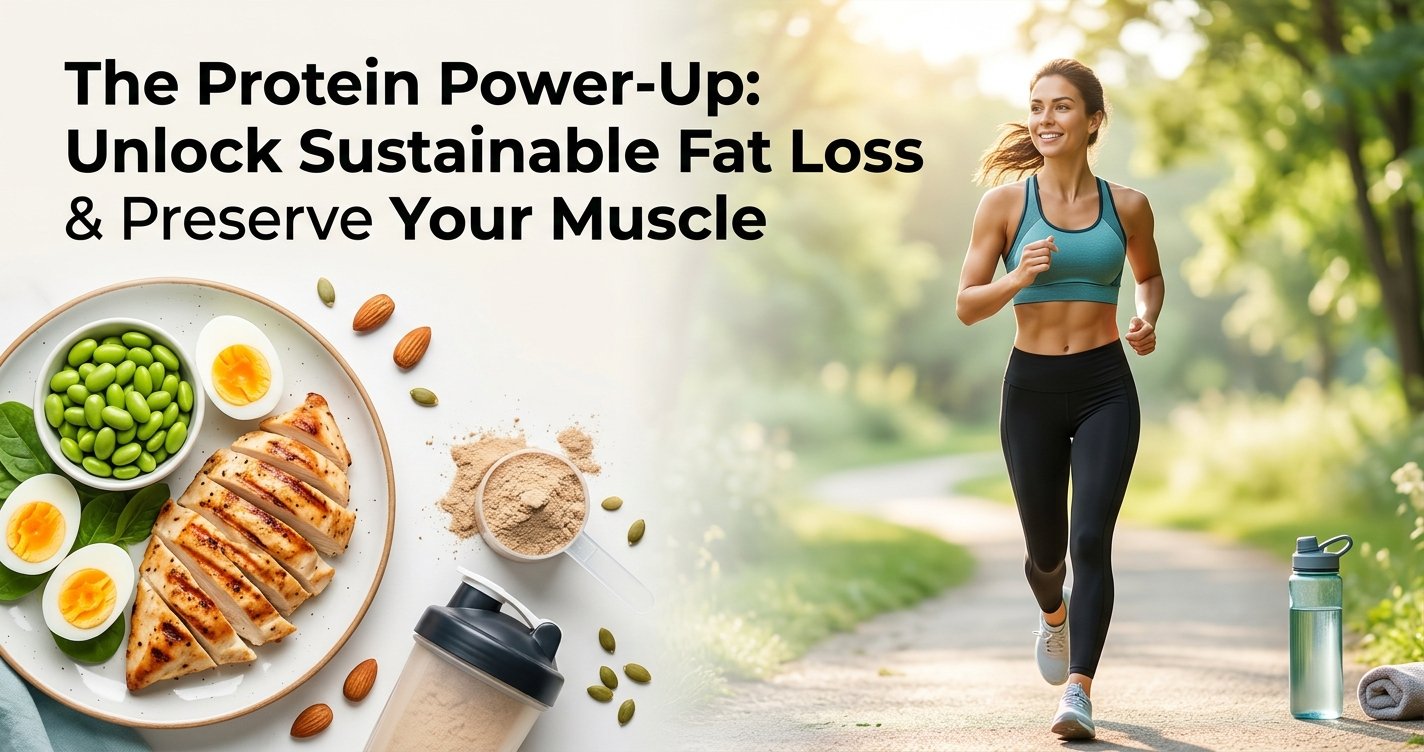
Many people embark on a fat loss journey feeling overwhelmed, often resorting to extreme diets that leave them hungry, irritable, and ultimately, unsuccessful. The common pitfall? Focusing solely on calorie restriction without considering the quality of those calories. What if there was a powerful, science-backed tool that could help you feel fuller, boost your metabolism, and protect your precious muscle mass while shedding fat? Enter protein – your ultimate ally in the quest for a leaner, stronger you.
This isn't just about bulking up; it's about smart, sustainable fat loss. We're going to dive deep into why protein is an indispensable nutrient for anyone looking to transform their body composition, how much you truly need, and the most effective ways to incorporate it into your daily life. Get ready to supercharge your fat loss journey, not by deprivation, but by strategic nutrition. this excellent wellness product
Why Protein is Your Secret Weapon for Fat Loss
Protein isn't just fuel; it's a metabolic marvel that plays several crucial roles in helping you achieve and maintain fat loss. Understanding these mechanisms can empower you to make more informed dietary choices.
The Satiety Factor: Feeling Fuller, Longer
Have you ever eaten a meal and felt hungry again shortly after, despite consuming a decent amount of calories? Chances are, that meal was low in protein. Protein is renowned for its ability to increase satiety – the feeling of fullness and satisfaction. When you eat protein, it triggers the release of hormones like GLP-1 and PYY, which signal to your brain that you're full, reducing your appetite and curbing cravings. This means you're less likely to overeat or snack unnecessarily between meals, naturally leading to a calorie deficit without feeling deprived. Research consistently shows that higher protein diets lead to greater reductions in appetite and calorie intake compared to lower protein diets.
Boost Your Metabolism: The Thermic Effect of Food (TEF)
Every time you eat, your body expends energy to digest, absorb, and metabolize the nutrients. This is known as the Thermic Effect of Food (TEF). Protein has a significantly higher TEF than carbohydrates or fats. While carbohydrates typically have a TEF of 5-10% and fats 0-3%, protein boasts a TEF of 20-30%. This means that for every 100 calories of protein you consume, 20-30 of those calories are burned just in the process of digestion! This 'metabolic boost' might seem small on a meal-by-meal basis, but over time, it adds up, contributing to a greater overall daily calorie expenditure and making fat loss a little easier.
Guarding Your Gains: Muscle Preservation
When you're in a calorie deficit to lose fat, your body can sometimes break down muscle tissue for energy, alongside fat. This is detrimental because muscle is metabolically active – it burns more calories at rest than fat does. Losing muscle can slow down your metabolism, making it harder to lose fat and easier to regain weight in the future. A higher protein intake helps to protect your lean muscle mass during fat loss. It provides the essential amino acids your body needs to repair and build muscle, signaling to your body to spare muscle and primarily tap into fat stores for energy. This ensures that the weight you're losing is predominantly fat, not muscle, leading to a leaner, stronger physique.
How Much Protein Do You Really Need?
While the Recommended Dietary Allowance (RDA) for protein is 0.8 grams per kilogram of body weight for average adults, this is generally considered the minimum to prevent deficiency, not necessarily optimal for fat loss or muscle preservation, especially for active individuals.
General Guidelines vs. Fat Loss Specifics
For general health, 0.8g/kg is a good baseline. However, when your goal is fat loss, and you're actively trying to preserve muscle, your protein needs increase. This is particularly true if you're engaging in regular exercise, especially strength training.
The "Sweet Spot" for Active Individuals
Most research suggests that for optimal fat loss and muscle preservation during a calorie deficit, a protein intake between 1.6 to 2.2 grams of protein per kilogram of body weight (or 0.7 to 1 gram per pound of body weight) is ideal. For example, a person weighing 70 kg (about 154 lbs) would aim for approximately 112-154 grams of protein per day. If you're very active or significantly restricting calories, you might even benefit from the higher end of this range. Don't worry about consuming "too much" protein; for healthy individuals, intakes well above the RDA are generally safe and beneficial for body composition.
Smart Strategies to Maximize Your Protein Intake
Hitting your protein targets might seem daunting at first, but with a few smart strategies, it becomes second nature.
Prioritize Protein at Every Meal
Instead of adding protein as an afterthought, make it the centerpiece of your main meals. Aim for 20-40 grams of protein per meal, depending on your overall daily target. Starting your day with a protein-rich breakfast (e.g., eggs, Greek yogurt, protein smoothie) can help manage hunger throughout the morning and set a positive tone for your day's eating.
Smart Snacking for Success
Snacks are a perfect opportunity to boost your protein intake and keep hunger at bay between meals. Instead of reaching for sugary or carb-heavy options, opt for protein-packed snacks like:
- Greek yogurt or cottage cheese
- Hard-boiled eggs
- A handful of almonds or other nuts
- Lean deli meat slices
- Protein bar (choose wisely, look for low sugar)
- Edamame
Don't Forget Pre/Post-Workout
If you're exercising, especially weight training, consuming protein around your workouts can be particularly beneficial. A protein shake or a small protein-rich snack before or after your workout can aid in muscle repair and recovery, helping you maximize the benefits of your training sessions and preserve muscle mass.
Delicious Protein Sources: More Than Just Chicken Breast
Variety is key to enjoying your diet and ensuring you get a wide range of nutrients. Fortunately, there are countless delicious ways to get your protein.
Animal-Based Powerhouses
These are often considered "complete proteins," meaning they contain all nine essential amino acids your body needs.
- Lean Meats: Chicken breast, turkey, lean beef (sirloin, round), pork loin.
- Fish and Seafood: Salmon, tuna, cod, shrimp, tilapia. Rich in omega-3s too!
- Eggs: The incredible edible egg! Versatile and packed with protein.
- Dairy: Greek yogurt, cottage cheese, milk, cheese (in moderation).
Plant-Based Protein Heroes
For those following a vegetarian or vegan diet, or simply looking to diversify, plant-based proteins are abundant and beneficial.
- Legumes: Lentils, chickpeas, black beans, kidney beans.
- Soy Products: Tofu, tempeh, edamame. Highly versatile and complete proteins.
- Quinoa: A grain that's also a complete protein.
- Nuts and Seeds: Almonds, peanuts, chia seeds, flax seeds, pumpkin seeds.
- Whole Grains: Oats, brown rice (contain some protein, though not as concentrated).
The Role of Protein Supplements
While whole foods should always be your primary source of nutrients, protein supplements like whey, casein, or plant-based protein powders can be incredibly convenient, especially for busy individuals or to quickly hit high protein targets. They're a great option for post-workout shakes or when you need a quick, protein-rich boost. Just remember, they "supplement" your diet, they don't replace whole, nutritious meals.
Putting It All Together: A Day of Protein-Powered Eating
Here’s an example of how you might structure a day to hit your protein targets, focusing on balance and enjoyment:
- Breakfast: Greek yogurt (15-20g protein) with berries and a sprinkle of chia seeds, or scrambled eggs (12-18g protein) with spinach.
- Lunch: Large salad with grilled chicken breast or chickpeas (30-40g protein) and a variety of colorful vegetables.
- Snack: Cottage cheese (10-15g protein) with sliced bell peppers, or a small handful of almonds.
- Dinner: Baked salmon (30-40g protein) with roasted sweet potatoes and steamed broccoli, or a lentil stew.
- Optional Pre/Post-Workout: Protein shake (20-30g protein).
This kind of structure makes it much easier to hit those 100-150+ gram targets without feeling like you're constantly eating.
Conclusion
Embarking on a fat loss journey can be challenging, but it doesn't have to be a battle against constant hunger and deprivation. By strategically incorporating more protein into your diet, you're not just fueling your body; you're activating a powerful set of physiological mechanisms that support sustainable fat loss. From keeping you feeling full and satisfied, to giving your metabolism a gentle nudge, and crucially, preserving your hard-earned muscle, protein is truly the unsung hero of body transformation.
Remember, this isn't about perfection, but about progress. Start by making small, consistent changes – add an extra serving of protein to one meal, swap a less nutritious snack for a protein-rich alternative. Listen to your body, enjoy your food, and embrace the power of protein to build a leaner, stronger, and healthier you. Your journey to sustainable fat loss just got a whole lot smarter and more delicious!