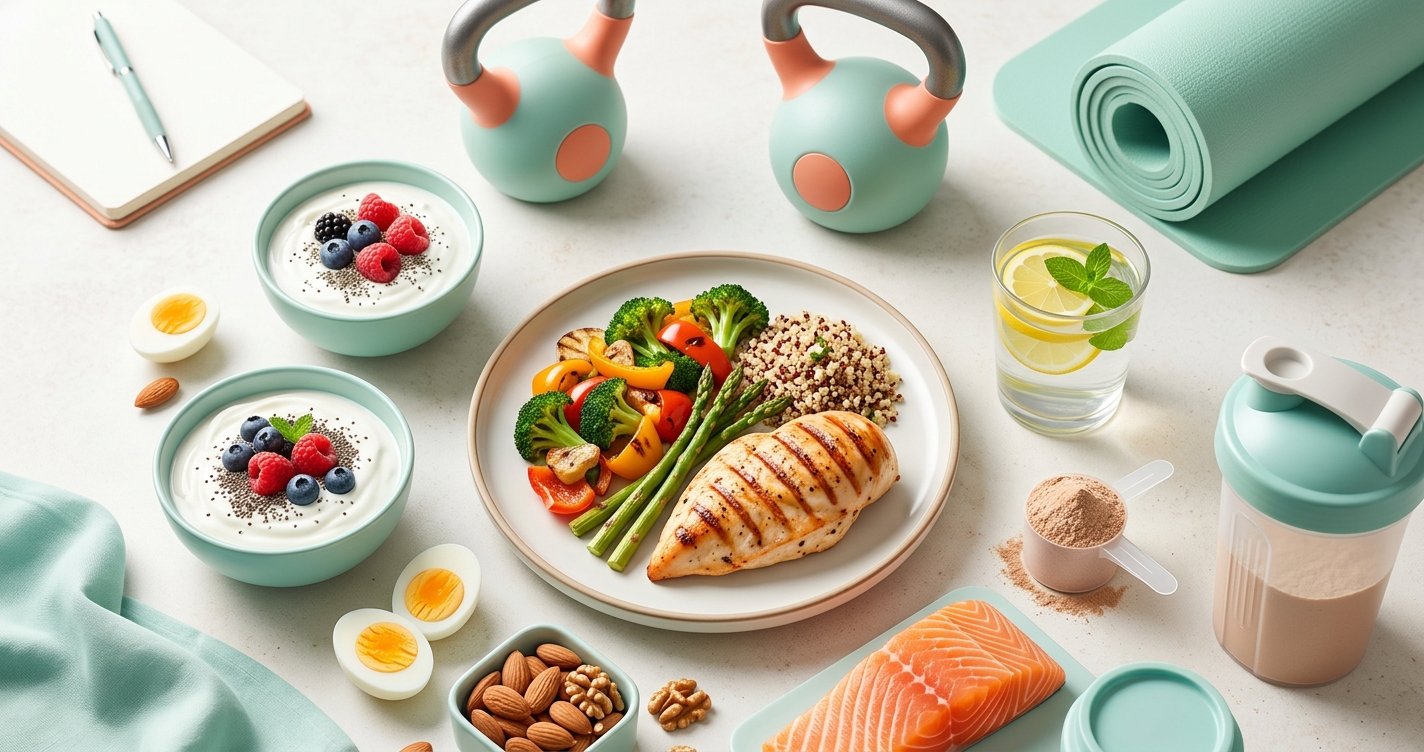
Ever felt like you’re doing everything right — eating less, moving more — but the stubborn fat just won’t budge, or worse, you feel constantly hungry and tired? You’re not alone. The journey to sustainable fat loss can feel like a maze, but what if we told you there’s one powerful nutrient that could be your ultimate guide? Enter protein, the unsung hero of a leaner, stronger you.
Forget restrictive diets and endless cardio for a moment. This isn't about deprivation; it's about smart, evidence-based strategies to help you achieve your fat loss goals in a way that feels good and lasts. In this comprehensive guide, we'll dive deep into why protein is an absolute game-changer for fat loss, how much you truly need, and practical ways to effortlessly weave it into your daily life. Get ready to unlock the power of protein and transform your body from the inside out! this excellent wellness product
Why Protein is Your Secret Weapon for Fat Loss
Protein isn't just for bodybuilders; it's a fundamental macronutrient crucial for everyone, especially those aiming for fat loss. Its unique properties make it an indispensable ally in your journey.
The Satiety Factor: Feeling Full, Longer
One of protein's most celebrated benefits is its incredible ability to keep you feeling full and satisfied. Compared to carbohydrates and fats, protein has a higher satiety index, meaning it helps reduce hunger and cravings more effectively. When you consume adequate protein, your body releases hormones like GLP-1 and PYY, which signal fullness to your brain. This natural appetite suppression means you're less likely to overeat or snack unnecessarily, making it easier to maintain the necessary calorie deficit for fat loss without feeling deprived.
Boosting Your Metabolism: The Thermic Effect of Food (TEF)
Did you know your body actually burns calories just to digest and process the food you eat? This is known as the Thermic Effect of Food (TEF), and protein has the highest TEF of all macronutrients. Roughly 20-30% of the calories from protein are expended during digestion, compared to 5-10% for carbs and 0-3% for fats. This 'metabolic boost' from protein means you're burning more calories throughout the day, simply by choosing protein-rich foods, giving you a slight but significant advantage in your fat loss efforts.
Protecting Your Muscles: Preserving Lean Mass
When you're in a calorie deficit for fat loss, your body can sometimes break down muscle tissue for energy, alongside fat. This is detrimental because muscle is metabolically active, meaning more muscle equals a higher resting metabolism. A higher protein intake helps signal to your body that it should preserve its precious muscle mass, even when calories are restricted. By maintaining or even building muscle while losing fat, you ensure that the weight you lose is primarily fat, leading to a more toned physique and a more efficient metabolism in the long run.
How Much Protein Do You Really Need for Fat Loss?
This is where things can get a little confusing, but we're here to clear it up. While general recommendations exist, your ideal protein intake for fat loss will depend on several factors, including your body weight, activity level, and specific goals.
General Guidelines vs. Individual Needs
For the average sedentary adult, the recommended daily allowance (RDA) for protein is 0.8 grams per kilogram (or 0.36 grams per pound) of body weight. However, for fat loss and muscle preservation, this amount is often insufficient. Research consistently shows that higher protein intakes are more beneficial in a calorie-restricted environment.
The Sweet Spot: Grams Per Pound/Kilogram
For optimal fat loss and muscle preservation, most experts recommend aiming for:
- 1.6 to 2.2 grams of protein per kilogram of body weight
- Or, roughly 0.7 to 1.0 gram of protein per pound of body weight
For example, if you weigh 150 pounds (approx. 68 kg), you'd aim for 105 to 150 grams of protein per day. If you're highly active or engage in regular strength training, you might even lean towards the higher end of this range. Don't worry if these numbers seem high at first; we'll show you how to hit them easily!
Smart Protein Sources: Quality Over Quantity (Mostly!)
Not all protein sources are created equal. While quantity matters for fat loss, the quality and variety of your protein intake are also important for overall health and nutrient diversity.
Animal-Based Powerhouses
These sources are typically complete proteins, meaning they contain all nine essential amino acids your body can't produce on its own.
- Lean Meats: Chicken breast, turkey, lean beef (sirloin, round), pork loin.
- Fish & Seafood: Salmon, tuna, cod, shrimp, tilapia. Rich in omega-3s!
- Eggs: A complete protein powerhouse, incredibly versatile and affordable.
- Dairy: Greek yogurt, cottage cheese, milk, whey protein powder. Excellent for satiety and muscle repair.
Plant-Based Protein Heroes
For our vegetarian and vegan friends, or anyone looking to diversify their protein, the plant kingdom offers fantastic options. While many plant proteins are not 'complete' on their own, combining various sources throughout the day ensures you get all essential amino acids.
- Legumes: Lentils, chickpeas, black beans, kidney beans.
- Soy Products: Tofu, tempeh, edamame.
- Grains: Quinoa (a complete protein!), oats, whole wheat.
- Nuts & Seeds: Almonds, peanuts, chia seeds, flax seeds, pumpkin seeds.
- Plant-Based Protein Powders: Pea, rice, hemp protein.
The Role of Protein Supplements
While whole foods should always be your primary source of protein, supplements like whey, casein, or plant-based protein powders can be incredibly convenient for hitting your daily targets, especially after workouts or when you're on the go. They are a tool, not a replacement for a balanced diet.
Practical Strategies to Boost Your Protein Intake
Now that you know the 'why' and the 'how much,' let's get into the 'how to.' Incorporating more protein into your diet doesn't have to be complicated or boring. Here are some simple, actionable tips:
Distribute Protein Throughout Your Day
Instead of trying to cram all your protein into one meal, aim to spread it out evenly across your meals and snacks. This helps optimize muscle protein synthesis, keeps you feeling fuller for longer, and prevents overwhelming your digestive system. Try to get 20-40 grams of protein at each main meal.
Make Protein the Star of Every Meal
When planning your meals, start with your protein source. Whether it's chicken, fish, tofu, or lentils, build the rest of your meal around it. This ensures you're prioritizing protein and makes it easier to hit your targets.
- Breakfast: Scrambled eggs with spinach, Greek yogurt with berries, protein smoothie.
- Lunch: Chicken or chickpea salad, lean beef and veggie stir-fry, lentil soup.
- Dinner: Baked salmon with roasted vegetables, turkey chili, tofu curry.
Smart Snacking Choices
Ditch the sugary snacks and opt for protein-rich alternatives to keep hunger at bay between meals.
- Hard-boiled eggs
- Cottage cheese or Greek yogurt
- A handful of almonds or walnuts
- Beef jerky (low sodium)
- Protein bars (check ingredients for added sugars)
- Apple slices with peanut butter
Meal Prep for Success
Preparing protein sources in advance can be a game-changer. Cook a large batch of chicken breast, ground turkey, or lentils at the beginning of the week. This way, you always have readily available protein to add to salads, wraps, or quick meals.
Beyond Protein: Synergistic Habits for Success
While protein is a superstar for fat loss, it works best when combined with other healthy habits. Remember, sustainable fat loss is a holistic journey.
The Importance of a Calorie Deficit
Even with high protein intake, fat loss ultimately comes down to consuming fewer calories than you burn. Protein makes achieving this deficit much easier and more sustainable by enhancing satiety and metabolism, but it doesn't negate the need for awareness of your total energy intake.
Hydration and Fiber
Don't forget the basics! Adequate water intake supports metabolism, aids digestion, and can help manage hunger. Fiber, found in fruits, vegetables, and whole grains, also contributes to fullness and digestive health, working synergistically with protein.
Strength Training and Sleep
Combine your protein-rich diet with regular strength training to maximize muscle preservation and growth, further boosting your metabolism. And never underestimate the power of good sleep; it plays a crucial role in hormone regulation, appetite control, and recovery, all vital for successful fat loss.
Your Protein-Powered Path to Fat Loss
Embracing protein as a cornerstone of your diet is one of the most effective, evidence-based strategies for achieving sustainable fat loss. It empowers you to feel fuller, boost your metabolism, and protect your hard-earned muscle, making the entire process more manageable and enjoyable.
You now have the knowledge and practical tools to harness the power of protein. Start small, make conscious choices, and gradually increase your intake. Remember, consistency is key, and every protein-packed meal is a step closer to a leaner, stronger, and more energized you. Ready to power up your fat loss journey? Your body will thank you!