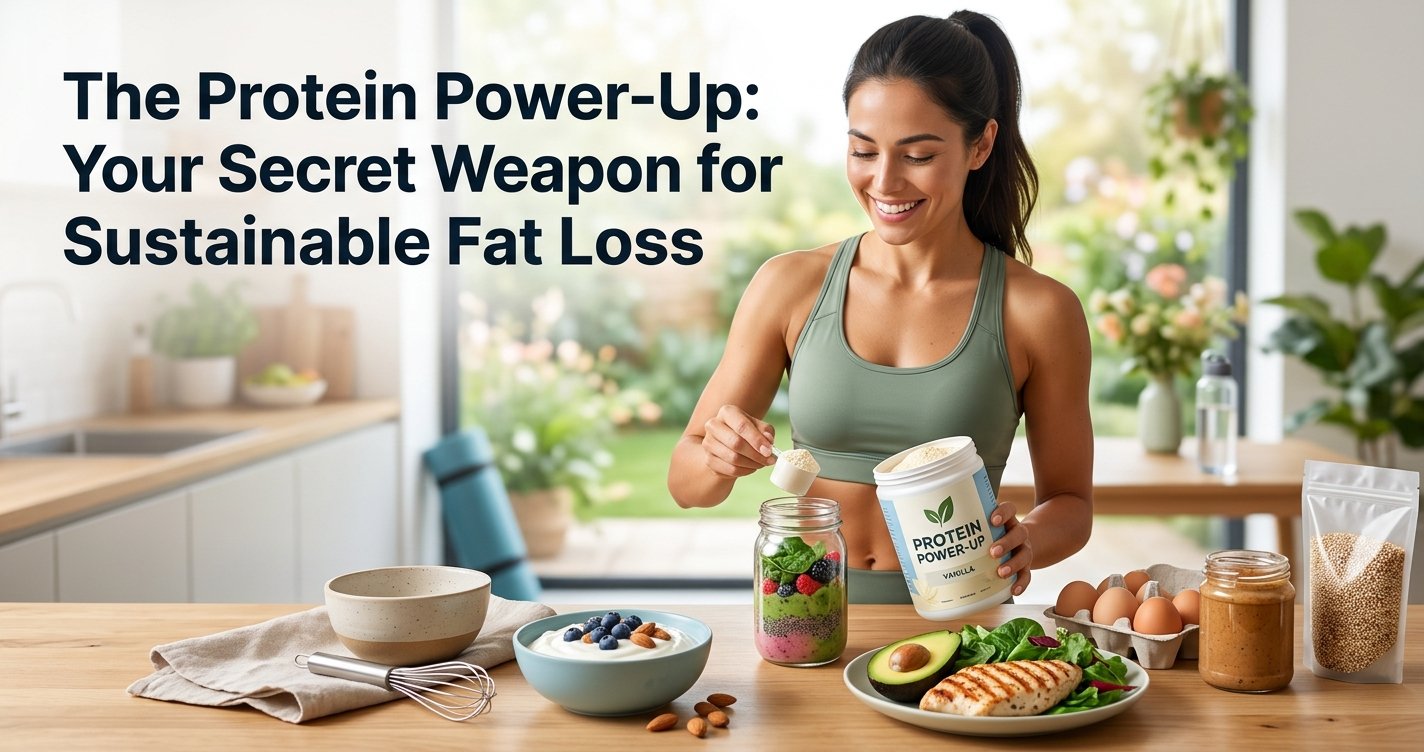
Unlock Your Fat Loss Potential: The Power of Protein
Are you on a journey to shed those extra pounds, feeling like you've tried every diet under the sun? It's easy to get caught up in calorie counting and restrictive eating, but what if there was a powerful, evidence-backed nutrient that could make your fat loss efforts significantly easier and more sustainable? Enter protein – your ultimate ally in achieving a leaner, stronger you.
Often seen as just 'muscle food,' protein's role in fat loss is far more comprehensive and impactful than many realize. It's not just about building biceps; it's about feeling full, boosting your metabolism, and protecting that precious muscle tissue while you're in a calorie deficit. In this friendly, evidence-based guide, we'll dive deep into why protein is your fat loss MVP and how you can harness its power to reach your goals without feeling deprived. this excellent wellness product
Why Protein is Your Fat Loss MVP (Most Valuable Player)
When it comes to losing fat, most people instinctively think about cutting calories. While a calorie deficit is fundamental, how you achieve that deficit, and what you eat, makes all the difference. Protein stands out as a superstar for several compelling reasons.
The Satiety Superstar: Feeling Full, Naturally
One of the biggest challenges with any fat loss diet is hunger. Constant cravings and a rumbling stomach can derail even the most determined efforts. This is where protein shines! Protein is renowned for its ability to increase satiety – that wonderful feeling of fullness and satisfaction after a meal. Studies consistently show that high-protein meals keep you feeling fuller for longer compared to meals with lower protein content, even when calorie counts are similar.
How does it work? Protein influences several hormones that regulate appetite, such as ghrelin (the hunger hormone) and GLP-1 and PYY (satiety hormones). By keeping these hormones in check, protein helps reduce overall calorie intake naturally, making it easier to stick to your diet without battling constant hunger pangs. Imagine eating less without feeling like you're starving – that's the protein advantage!
Boosting Your Metabolism: The Thermic Effect of Food (TEF)
Did you know that your body burns calories just by digesting food? This is known as the Thermic Effect of Food (TEF), and protein has the highest TEF of all macronutrients. While carbohydrates have a TEF of 5-10% and fats 0-3%, protein requires a whopping 20-30% of its calories to be burned during digestion and absorption. This means that for every 100 calories of protein you consume, your body uses 20-30 calories just to process it.
While this might seem like a small number on its own, over the course of a day and week, this 'metabolic boost' from protein can add up, contributing to a greater overall calorie expenditure. It's like having a tiny internal furnace working harder simply because you chose protein-rich foods!
Muscle Preservation: Protecting Your Metabolism's Engine
When you're in a calorie deficit to lose fat, your body can sometimes break down muscle tissue for energy, not just fat. This is a problem because muscle is metabolically active – it burns more calories at rest than fat tissue. Losing muscle means your resting metabolism slows down, making future fat loss harder and increasing the likelihood of regaining lost weight.
This is where adequate protein intake becomes crucial. Consuming enough protein, especially when combined with resistance training, helps signal to your body to preserve lean muscle mass while you're losing fat. Think of protein as the guardian of your metabolism. By protecting your muscle, you keep your metabolic engine running strong, ensuring that the weight you lose is primarily fat, not precious muscle.
How Much Protein Do You Really Need for Fat Loss?
Understanding the benefits is one thing, but knowing how to apply them is key. So, how much protein should you be aiming for?
General Guidelines vs. Individual Needs
While there's no one-size-fits-all answer, scientific literature provides excellent guidance. For fat loss, most experts recommend a protein intake ranging from 1.6 to 2.2 grams per kilogram of body weight (or 0.73 to 1 gram per pound of body weight) per day. For example, a 70kg (154lb) individual might aim for 112-154 grams of protein daily.
Factors that influence your specific needs include your activity level (more active usually means more protein), your current body composition, and your fat loss goals. If you're very active or aiming for aggressive fat loss while preserving maximum muscle, you might lean towards the higher end of this range. It's always wise to consult with a healthcare professional or a registered dietitian for personalized advice, especially if you have underlying health conditions.
The Importance of Distribution
It's not just about the total amount; how you spread your protein intake throughout the day also matters. Aim to include a good source of protein in every meal and snack. Studies suggest that distributing protein evenly across meals (e.g., 20-40 grams per meal) can be more effective for satiety and muscle protein synthesis than consuming most of your protein in one large meal.
Smart Strategies to Power Up Your Protein Intake
Now that you know the 'why' and the 'how much,' let's talk practical 'how-to's' to integrate more protein into your daily routine seamlessly.
Prioritize Protein at Every Meal
- Breakfast: Ditch the sugary cereal! Opt for Greek yogurt with berries, eggs (scrambled, poached, or an omelet), cottage cheese, or a protein smoothie.
- Lunch & Dinner: Build your plate around a lean protein source. Think chicken breast, fish (salmon, cod, tuna), lean beef, turkey, or plant-based options like tofu, tempeh, or lentils. Pair it with plenty of vegetables and a smart carb source.
Savvy Snacking: Protein-Rich Options
Snacks are a prime opportunity to boost your protein intake and stave off hunger between meals. Instead of reaching for chips or cookies, try:
- Hard-boiled eggs
- A handful of almonds or walnuts
- A small container of Greek yogurt or cottage cheese
- Protein bar (check sugar content!) or a protein shake
- Edamame
- Turkey jerky (watch sodium)
Don't Forget Plant-Based Powerhouses
You don't have to eat meat to get enough protein! Many plant-based foods are excellent sources:
- Legumes: Lentils, chickpeas, black beans, kidney beans.
- Soy Products: Tofu, tempeh, edamame, soy milk.
- Grains: Quinoa (a complete protein), oats.
- Nuts & Seeds: Almonds, peanuts, chia seeds, flax seeds, hemp seeds.
- Vegetables: Even some vegetables like broccoli and spinach contribute a small amount of protein.
Meal Prep for Protein Success
Planning ahead is your secret weapon. Dedicate some time each week to prepare protein sources in bulk. Cook a batch of chicken breast, hard-boil a dozen eggs, or prepare a large lentil soup. Having these ready-to-eat options makes it much easier to make protein-smart choices, especially when you're busy or on the go.
Busting Protein Myths and Misconceptions
Despite its benefits, protein often gets a bad rap due to common myths. Let's set the record straight with evidence-based facts.
"Too Much Protein is Bad for Your Kidneys"
This is a widely circulated myth that causes unnecessary fear. For healthy individuals with normal kidney function, there is no scientific evidence to suggest that a high-protein diet causes kidney damage. In fact, studies show that even very high protein intakes (up to 3.5 g/kg body weight) are safe for healthy adults. However, if you have pre-existing kidney disease, then protein intake may need to be moderated under medical supervision.
"Protein Will Make You Bulky"
Another common concern, especially among women, is that eating more protein will automatically lead to excessive muscle growth and a 'bulky' physique. This is simply not true. Building significant muscle mass requires a specific training regimen, often a calorie surplus, and adequate protein, but it doesn't happen overnight or by accident, especially for women who naturally have lower levels of testosterone.
For fat loss, protein helps you preserve the muscle you already have, making you look leaner and more toned as you shed fat. It contributes to a strong, defined physique, not a bulky one.
Putting It All Together: Your Action Plan for Protein-Powered Fat Loss
Ready to put protein to work for you? Here's a simple action plan:
- Calculate Your Target: Aim for 1.6-2.2g of protein per kg of your target body weight. Use an online calculator or consult a professional.
- Prioritize Protein: Make protein the star of every meal and snack.
- Diversify Your Sources: Include a variety of lean meats, fish, dairy, and plant-based proteins.
- Plan Ahead: Meal prep helps ensure you always have protein-rich options available.
- Hydrate: Drink plenty of water throughout the day, especially with increased protein intake.
- Combine with Strength Training: For optimal results, pair your protein focus with regular resistance exercise to build and maintain muscle.
Embrace the Protein Advantage!
Sustainable fat loss isn't just about restricting calories; it's about optimizing your nutrition to support your body's needs, keep hunger at bay, and protect your metabolism. Protein is a powerful, science-backed tool that can significantly enhance your journey, making it more effective, enjoyable, and lasting.
So, stop viewing protein as just a sidekick. Make it the hero of your plate and experience the incredible difference it can make in your fat loss efforts. Start today, make small, consistent changes, and watch as your body transforms into a leaner, stronger, and more energized version of yourself. You've got this!