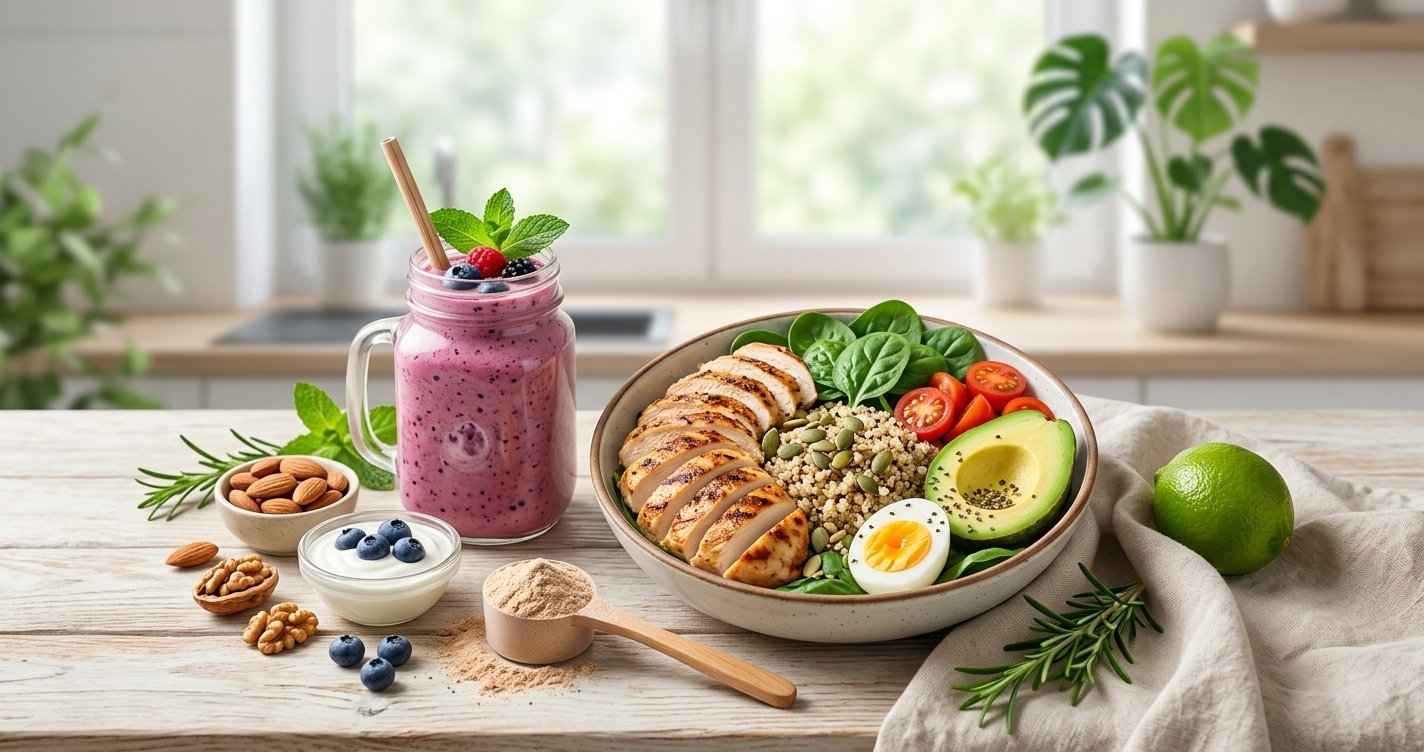
Hey there, fellow health seeker! Let's be honest: the world of fat loss can feel like a labyrinth of conflicting advice, fad diets, and confusing science. It's easy to get lost, feel frustrated, and even give up. But what if I told you there's a powerful, evidence-backed strategy that can simplify your journey, help you feel fuller, preserve your hard-earned muscle, and even give your metabolism a gentle nudge? Good news! There is, and it all revolves around one incredible macronutrient: protein.
Forget extreme restrictions or endless cardio. Today, we're diving deep into the transformative power of protein for sustainable fat loss. This isn't just about shedding pounds; it's about building a healthier, stronger you that lasts. So, grab a healthy snack (perhaps one rich in protein!), and let's uncover why protein is truly your secret weapon. this excellent wellness product
Why Protein is Your Best Friend in the Fat Loss Journey
Protein isn't just for bodybuilders; it's essential for everyone, especially when you're aiming for fat loss. Its unique properties make it stand out from carbohydrates and fats, offering distinct advantages that directly support your goals.
The Satiety Superstar: Feeling Fuller, Longer
One of the biggest battles in fat loss is hunger. Cravings and constant feelings of emptiness can derail even the most determined efforts. This is where protein shines! Numerous studies show that protein has a superior ability to promote satiety (the feeling of fullness) compared to carbs and fats. It impacts hormones like ghrelin (the hunger hormone) and GLP-1 (a satiety hormone), signaling to your brain that you're satisfied.
- Less Snacking: When you feel full and content after meals, you're less likely to reach for unhealthy snacks between meals, naturally reducing your overall calorie intake.
- Reduced Cravings: Stable blood sugar and sustained energy from protein can help curb those intense sugar cravings that often sabotage progress.
Fueling Your Metabolism: The Thermic Effect of Food (TEF)
Every time you eat, your body expends energy to digest, absorb, and metabolize the nutrients. This is known as the Thermic Effect of Food (TEF). And guess which macronutrient has the highest TEF? You guessed it – protein!
- Metabolic Boost: Protein requires significantly more energy to process (around 20-30% of its caloric content) compared to carbohydrates (5-10%) and fats (0-3%). This means that simply by eating more protein, you're burning a few extra calories throughout the day, giving your metabolism a small but consistent boost.
- Efficient Calorie Burn: While not a magic bullet, this metabolic advantage contributes to creating a calorie deficit, which is fundamental for fat loss.
Protecting Your Precious Muscle: Don't Lose What You've Built
When you're in a calorie deficit, your body doesn't always discriminate between fat and muscle for energy. Losing muscle mass is detrimental because muscle is metabolically active – it burns more calories at rest than fat does. This is why many people experience a slowed metabolism after significant weight loss.
Adequate protein intake is crucial for preserving lean muscle mass during a fat loss phase. It provides the amino acids necessary for muscle repair and synthesis, telling your body to hold onto that valuable muscle tissue while encouraging it to tap into fat stores for energy. This leads to a more desirable body composition – less fat, more muscle – even if the number on the scale doesn't drastically change.
How Much Protein Do You Really Need for Optimal Fat Loss?
The general dietary recommendation for protein is often around 0.8 grams per kilogram of body weight. However, for active individuals or those specifically aiming for fat loss and muscle preservation, these recommendations are typically higher.
Most evidence-based guidelines suggest aiming for:
- 1.6 to 2.2 grams of protein per kilogram of body weight (or 0.7 to 1 gram per pound of body weight) per day.
For example, if you weigh 70 kg (about 154 lbs), you'd be looking at roughly 112-154 grams of protein daily. This might seem like a lot, but by strategically incorporating protein into each meal and snack, it's very achievable!
Making Protein Delicious and Doable: Practical Strategies
Now that you know why protein is so important, let's talk about how to integrate it seamlessly into your daily life without feeling like you're constantly eating chicken breasts (unless you love them, of course!).
Prioritize Protein at Every Meal
Don't just add protein; make it the star of your plate! Aim for a significant protein source in each main meal.
- Breakfast Boost: Instead of sugary cereals, opt for eggs, Greek yogurt, cottage cheese, a protein smoothie, or even leftover lean meat.
- Lunch & Dinner Power: Focus on lean meats (chicken, turkey, lean beef, pork), fish (salmon, cod, tuna), tofu, tempeh, lentils, or beans. A palm-sized portion of protein is a good starting point for most.
Smart Snacking for Satiety
Snacks are an excellent opportunity to boost your protein intake and keep hunger at bay between meals.
- Go-To Options: Hard-boiled eggs, a handful of almonds or walnuts, Greek yogurt, cottage cheese, edamame, jerky (check for low sugar), or a high-quality protein bar.
Don't Forget Plant-Based Power
You don't need to eat meat to get enough protein! Many plant-based foods are excellent sources. Focus on variety to ensure you're getting all essential amino acids.
- Top Plant Proteins: Lentils, black beans, chickpeas, tofu, tempeh, edamame, quinoa, seitan, nutritional yeast, and plant-based protein powders (pea, soy, rice).
- Combine for Completeness: Pair different plant proteins (e.g., rice and beans) throughout the day to ensure you're getting a full spectrum of amino acids.
Beyond the Plate: Protein and Your Overall Lifestyle
While increasing protein is a fantastic step, remember it's part of a bigger picture. For truly sustainable fat loss, consider how protein interacts with other healthy habits.
Hydration and Fiber: The Supporting Cast
Drinking enough water and consuming adequate fiber work synergistically with protein. Water helps with satiety and metabolism, while fiber (found in fruits, vegetables, and whole grains) further boosts fullness and aids digestion, preventing any potential digestive issues from a higher protein intake.
The Role of Strength Training: Synergistic Effects
If your goal is to lose fat and improve body composition, pairing a higher protein intake with resistance training is a game-changer. Strength training stimulates muscle protein synthesis, and having ample protein available provides the building blocks for muscle repair and growth. This creates a powerful cycle: you train, you eat protein, you build/maintain muscle, which in turn boosts your metabolism, making fat loss more efficient and sustainable.
Consistency is Key: Building Sustainable Habits
Don't aim for perfection overnight. Small, consistent changes add up to big results. Focus on gradually increasing your protein intake, finding sources you enjoy, and making it a natural part of your routine. Meal prepping can be incredibly helpful here, ensuring you always have protein-rich options readily available.
Common Protein Pitfalls and How to Avoid Them
Even with the best intentions, some common mistakes can hinder your protein strategy:
- Not Enough Variety: Sticking to just one or two protein sources can lead to boredom and nutrient deficiencies. Explore different meats, fish, dairy, legumes, and plant-based options.
- Relying Solely on Supplements: While protein powder can be a convenient tool, whole food sources should be your primary focus. They offer additional nutrients, fiber, and micronutrients.
- Forgetting Portion Sizes: Even healthy foods need to fit into your overall calorie goals. Be mindful of portion sizes, especially with fattier protein sources or nuts.
- Ignoring Overall Calorie Balance: Protein is powerful, but it's not magic. You still need to be in a modest calorie deficit to lose fat. Protein simply makes achieving and maintaining that deficit much easier and more effective for body composition.
Embrace the Protein Power!
You've now unlocked the secret weapon that can truly revolutionize your fat loss journey. Protein is not just a nutrient; it's a strategic ally that helps you feel full, preserve muscle, boost metabolism, and build a stronger, healthier body. It empowers you to make sustainable choices and move away from restrictive diets toward a lifestyle that nourishes and strengthens you.
Remember, fat loss is a journey, not a destination. By embracing the power of protein, you're not just aiming for a number on the scale; you're investing in your long-term health, energy, and vitality. So, start incorporating more protein into your meals today, pair it with smart training, and watch as your body transforms into the strong, lean machine you've always envisioned. Your future self will thank you!