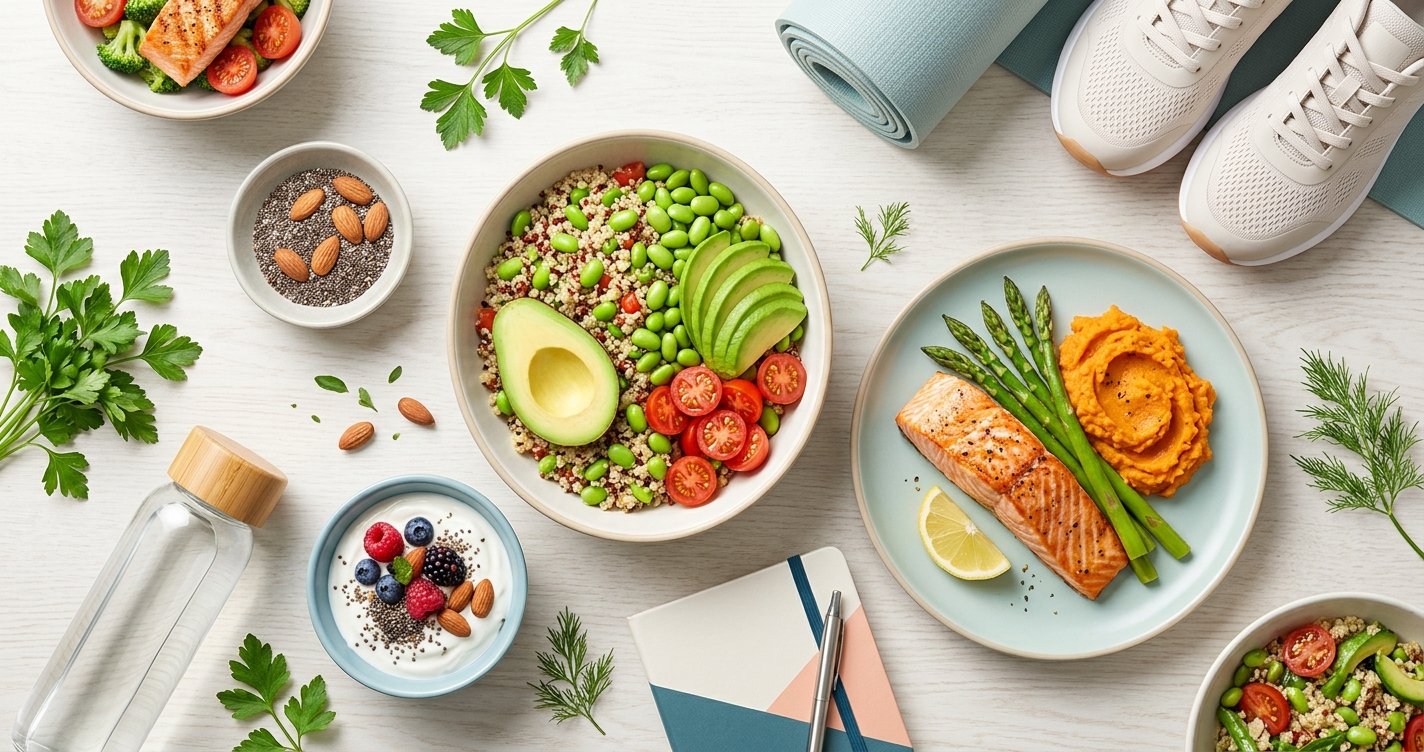
Introduction: Beyond the Hype – Why Protein is a Fat Loss Game-Changer
Are you tired of jumping from one diet to another, only to find yourself back where you started, or even heavier? The world of fat loss can be overwhelming, filled with quick fixes and extreme restrictions that are rarely sustainable. But what if there was a powerful, science-backed ally that could make your fat loss journey not just effective, but also more satisfying and lasting? Enter protein!
Often hailed by fitness enthusiasts, protein is far more than just a muscle builder. It's a foundational nutrient that plays a crucial role in managing hunger, boosting metabolism, and preserving precious muscle mass – all critical components for successful and sustainable fat loss. In this comprehensive guide, we'll dive deep into the incredible benefits of protein, how much you truly need, and practical ways to integrate it into your daily life for a leaner, healthier you. Get ready to unlock the power of protein! this excellent wellness product
The Science Behind the Sizzle: How Protein Aids Fat Loss
Let's break down the compelling science that makes protein an indispensable tool in your fat loss arsenal. It's not magic; it's pure biology working in your favor!
1. The Satiety Secret: Taming Cravings and Feeling Full
One of the biggest hurdles in fat loss is battling hunger and cravings. This is where protein shines! Protein is renowned for its ability to increase satiety, meaning it helps you feel fuller for longer compared to carbohydrates or fats. This isn't just a feeling; it's backed by hormonal responses.
- Hormonal Harmony: Protein influences hormones like ghrelin (the hunger hormone), reducing its levels, and simultaneously boosts peptide YY (PYY) and glucagon-like peptide-1 (GLP-1), which signal fullness to your brain.
- Reduced Snacking: By keeping you satisfied, protein naturally helps you consume fewer calories throughout the day, making it easier to maintain a calorie deficit without feeling deprived.
Imagine going through your day feeling genuinely satisfied after meals, rather than constantly thinking about your next snack. That's the protein difference!
2. Metabolic Magic: Boosting Your Calorie Burn
Did you know that your body expends energy just to digest and process the food you eat? This is called the Thermic Effect of Food (TEF), and protein has the highest TEF of all macronutrients.
- Higher Energy Expenditure: Approximately 20-30% of the calories you consume from protein are burned during digestion, compared to 5-10% for carbohydrates and 0-3% for fats.
- Metabolic Advantage: This means that a high-protein diet effectively increases your daily calorie expenditure, giving you a slight metabolic boost that contributes to fat loss over time.
It's like having a tiny, built-in furnace working harder for you after every protein-rich meal!
3. Muscle Matters: Preserving Lean Mass During Weight Loss
When you're in a calorie deficit to lose weight, your body doesn't just burn fat; it can also start breaking down muscle tissue for energy. Losing muscle is detrimental to fat loss because muscle is metabolically active, meaning it burns more calories at rest than fat does. A higher muscle mass translates to a higher resting metabolism.
- Muscle Preservation: Adequate protein intake is crucial for preserving lean muscle mass during fat loss. It provides the amino acids necessary for muscle repair and growth, signaling to your body to hold onto that valuable muscle.
- Better Body Composition: By maintaining or even building muscle while losing fat, you'll not only look leaner and more toned but also sustain a healthier metabolism in the long run.
Think of protein as your body's insurance policy, protecting your metabolic engine while you shed unwanted fat.
How Much Protein Do You Really Need for Optimal Fat Loss?
This is a common question, and the answer isn't a one-size-fits-all. While the general dietary reference intake (DRI) for protein is 0.8 grams per kilogram of body weight, this is merely a minimum to prevent deficiency. For active individuals and those specifically aiming for fat loss, higher intakes are highly beneficial.
Research consistently suggests that for optimal fat loss and muscle preservation, an intake of 1.6 to 2.2 grams of protein per kilogram of body weight (or approximately 0.7 to 1 gram per pound of body weight) is ideal. For example:
- A person weighing 150 lbs (approx. 68 kg) would aim for 105-150 grams of protein per day.
- A person weighing 200 lbs (approx. 90 kg) would aim for 140-200 grams of protein per day.
It's always wise to consult with a healthcare professional or registered dietitian for personalized recommendations, especially if you have pre-existing health conditions.
Fueling Up: Practical Strategies to Boost Your Protein Intake
Now that you understand the 'why,' let's get into the 'how.' Incorporating more protein into your diet can be delicious and surprisingly simple!
Smart Food Choices: Where to Find Your Protein Power
Prioritize whole, unprocessed protein sources. Here are some excellent options:
- Lean Meats: Chicken breast, turkey, lean beef, pork tenderloin.
- Fish & Seafood: Salmon, tuna, cod, shrimp, tilapia (rich in healthy fats too!).
- Eggs: A complete protein source, versatile and affordable.
- Dairy: Greek yogurt, cottage cheese, milk, whey protein powder (excellent for post-workout or quick boosts).
- Legumes: Lentils, chickpeas, black beans (also high in fiber).
- Plant-Based: Tofu, tempeh, edamame, seitan, quinoa, nuts, seeds.
Timing is Everything (or is it?): Spreading Your Protein Intake
While the total daily protein intake is most important, research suggests that spreading your protein consumption throughout the day, rather than eating it all in one meal, can maximize its benefits for muscle protein synthesis and satiety. Aim for 20-40 grams of protein at each main meal and include protein in your snacks.
Meal Planning Hacks for Protein Perfection
- Breakfast Boost: Start your day with protein! Scrambled eggs, Greek yogurt with berries, or a protein smoothie can set you up for success.
- Protein-Rich Snacks: Keep hard-boiled eggs, cheese sticks, cottage cheese, a handful of almonds, or jerky handy.
- Add-Ins: Sprinkle chia seeds or hemp hearts into oatmeal, add chickpeas to salads, or toss shredded chicken into your soups.
- Prep Ahead: Cook a batch of chicken breast or ground turkey at the beginning of the week to easily add to meals.
Common Protein Misconceptions Debunked
Let's clear up some common myths that might be holding you back from embracing protein fully.
“Protein is Bad for Your Kidneys”
For healthy individuals with no pre-existing kidney disease, a high-protein diet has not been shown to cause kidney damage. In fact, studies suggest it's perfectly safe. If you have a history of kidney issues, always consult your doctor or a nephrologist before making significant dietary changes.
“Protein Will Make Me Bulky”
This is a common fear, especially among women. Building significant muscle mass requires a very specific training regimen, high calorie intake, and often, specific hormonal profiles (like higher testosterone levels). Eating more protein for fat loss will help you preserve and tone your existing muscle, not turn you into a bodybuilder overnight.
“All Protein Sources Are Equal”
While all protein contributes, not all sources are created equal. Animal proteins (meat, eggs, dairy) are generally considered 'complete proteins' as they contain all nine essential amino acids your body can't produce. Plant-based proteins can be combined throughout the day (e.g., rice and beans) to ensure you get a full spectrum of amino acids.
Your High-Protein Fat Loss Journey: Putting It All Together
Embracing a high-protein approach to fat loss is not about restrictive dieting; it's about smart nutrition that supports your body's natural processes. By prioritizing protein, you're giving yourself a powerful advantage in managing hunger, boosting metabolism, and maintaining valuable muscle.
- Track and Adjust: For a few days, try tracking your protein intake to get a sense of where you stand and identify areas for improvement.
- Prioritize Protein First: When planning meals, think about your protein source first, then add vegetables, healthy fats, and complex carbohydrates.
- Stay Hydrated: Adequate water intake is always important, especially with increased protein consumption.
- Combine with Strength Training: For even better results, pair your high-protein diet with regular strength training to maximize muscle preservation and growth.
Conclusion: Embrace the Power of Protein for a Healthier, Leaner You!
Forget the endless cycles of deprivation. Protein offers a sustainable, evidence-based path to fat loss that leaves you feeling satisfied, energized, and strong. It's a fundamental nutrient that works with your body, not against it, to help you achieve your goals.
Start small, make gradual changes, and listen to your body. By making protein a cornerstone of your diet, you're not just losing fat; you're building a healthier relationship with food, improving your body composition, and setting yourself up for long-term success. So, go ahead – power up with protein and unlock the leaner, more vibrant you!