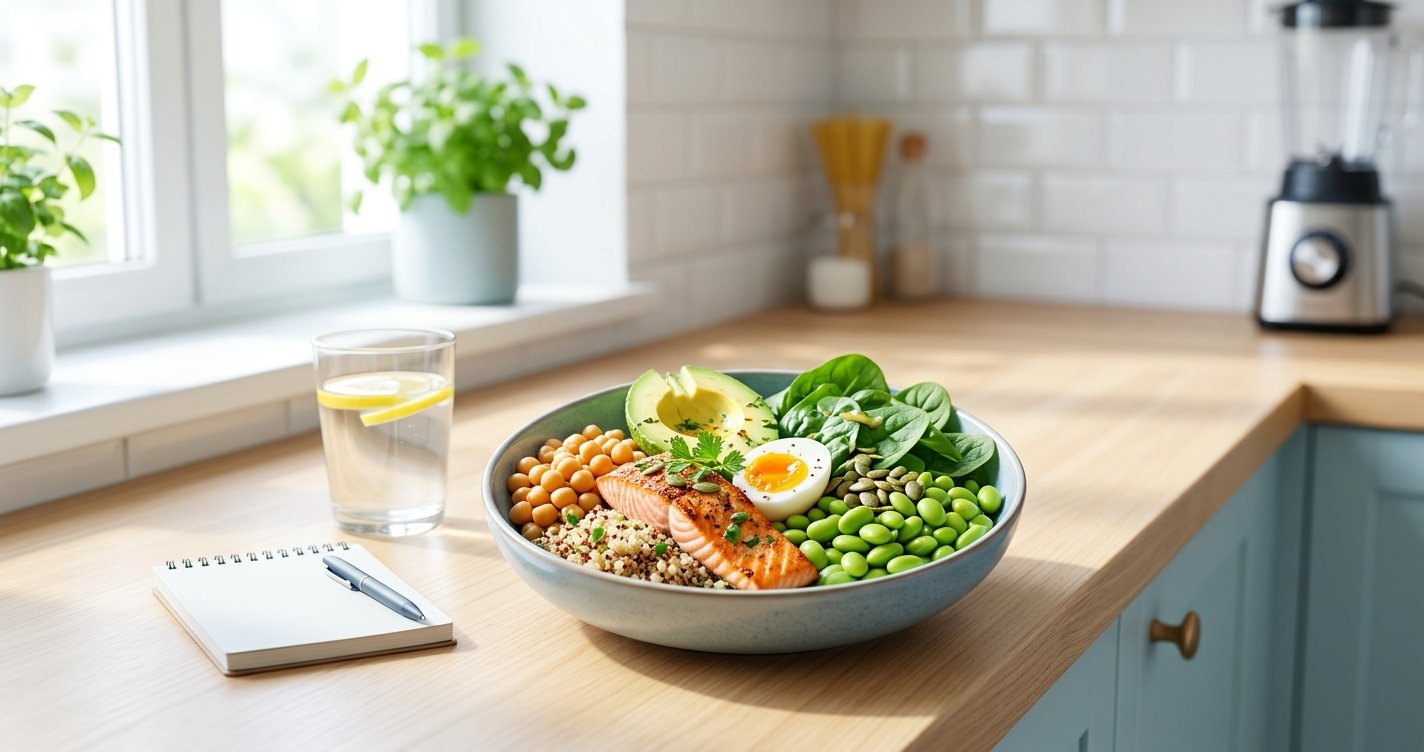
The Protein Power-Up: Unlock Sustainable Fat Loss and Feel Your Best
Are you on a journey to shed those extra pounds, but constantly battling hunger pangs, energy crashes, or the frustrating cycle of losing and regaining weight? You’re not alone. Many people focus solely on cutting calories, only to find themselves feeling deprived and discouraged. What if there was a powerful, science-backed nutrient that could transform your fat loss efforts, helping you feel fuller, boost your metabolism, and protect your hard-earned muscle?
Enter protein – the unsung hero of sustainable fat loss. Often associated with bodybuilders and athletes, protein is a vital macronutrient that plays a crucial role in everyone’s health, especially when you’re aiming to reduce body fat. It’s not just about building big muscles; it’s about optimizing your body’s natural ability to burn fat and maintain a healthy weight long-term. this excellent wellness product
In this comprehensive guide, we'll dive deep into why protein is your ultimate ally in the fight against fat. We’ll explore the science behind its incredible benefits, demystify how much you actually need, and provide practical, delicious ways to incorporate more of it into your daily life. Get ready to power up your fat loss journey and discover how protein can help you feel your best, inside and out!
Why Protein is Your Ultimate Fat Loss Ally
When it comes to losing fat, many strategies exist, but few offer the multi-faceted benefits of a protein-rich diet. Protein doesn't just fill you up; it actively participates in several key processes that contribute to effective and sustainable fat loss. Think of it as your body's personal fat-fighting team, working on multiple fronts:
- Satiety Superpower: It keeps hunger at bay, making it easier to stick to your calorie goals.
- Metabolism Booster: Your body burns more calories digesting protein than it does carbs or fats.
- Muscle Protector: It safeguards your lean muscle mass, which is crucial for a healthy metabolism.
- Craving Crusher: By stabilizing blood sugar and promoting fullness, it helps reduce cravings for unhealthy snacks.
The Science-Backed Benefits of Protein for Fat Loss
Let's peel back the layers and understand the scientific mechanisms that make protein such a game-changer for fat loss.
Taming the Hunger Monster: Protein and Satiety
Perhaps one of protein's most celebrated benefits is its remarkable ability to keep you feeling full and satisfied. This isn't just a feeling; it's a complex interplay of hormones and signals within your body. When you consume protein, it triggers the release of satiety hormones like GLP-1 and PYY, which tell your brain you're full. Simultaneously, it helps to suppress ghrelin, the hormone responsible for signaling hunger.
This means that a meal rich in protein will typically keep you feeling satisfied for longer compared to a meal of equal calories that is high in carbohydrates or fats. This sustained fullness naturally leads to reduced overall calorie intake throughout the day, making it significantly easier to maintain the calorie deficit required for fat loss without feeling constantly deprived or hungry.
Fueling Your Metabolism: The Thermic Effect of Food (TEF)
Did you know your body actually burns calories just to digest, absorb, and process the food you eat? This phenomenon is known as the Thermic Effect of Food (TEF), and protein has the highest TEF of all the macronutrients. While carbohydrates have a TEF of 5-10% and fats have 0-3%, protein boasts a TEF of 20-30%. This means that for every 100 calories of protein you consume, your body uses 20-30 of those calories just to process it.
While this might seem like a small number, these extra calories burned add up over time. By incorporating more protein into your diet, you're essentially giving your metabolism a gentle, continuous boost, helping you burn more calories around the clock, even at rest. It's like having a tiny, silent furnace working in your favor!
Protecting Your Hard-Earned Muscle (and Metabolism!)
When you're in a calorie deficit to lose fat, your body can sometimes break down muscle tissue for energy, especially if you're not getting enough protein. This is a problem because muscle is more metabolically active than fat – meaning it burns more calories at rest. Losing muscle can slow down your metabolism, making it harder to lose weight and easier to regain it.
Protein provides the essential amino acids your body needs to repair and build muscle tissue. By consuming adequate protein, you signal to your body to preserve your precious muscle mass, even while you're losing fat. This not only helps maintain a higher metabolic rate but also contributes to a more toned and defined physique as you shed the fat.
How Much Protein Do You Really Need for Fat Loss?
The optimal protein intake can vary based on individual factors like age, activity level, and overall health goals. However, for fat loss, the general consensus among nutrition experts and scientific research points towards a higher intake than the standard recommended daily allowance.
A good starting point for individuals aiming for fat loss is to consume between 0.7 to 1.0 grams of protein per pound of body weight (or 1.6 to 2.2 grams per kilogram of body weight). For example, if you weigh 150 pounds, you'd aim for roughly 105-150 grams of protein per day.
It’s also beneficial to distribute your protein intake throughout the day, aiming for 20-40 grams per main meal. This approach helps maximize muscle protein synthesis, keeps you feeling fuller for longer, and provides a steady stream of amino acids to your body.
Smart Protein Choices: Beyond Just Chicken Breast
While chicken breast is a fantastic lean protein source, your protein journey doesn't have to be boring! Variety is key to getting a full spectrum of nutrients and keeping your taste buds happy. Here are some excellent sources, both animal and plant-based:
Animal-Based Powerhouses:
- Lean Meats: Chicken breast, turkey, lean cuts of beef (sirloin, round), pork loin.
- Fish and Seafood: Salmon, tuna, cod, shrimp, scallops (rich in omega-3s too!).
- Eggs: A complete protein, versatile and inexpensive.
- Dairy: Greek yogurt, cottage cheese, milk, whey protein powder (great for smoothies).
Plant-Based Protein Heroes:
- Legumes: Lentils, black beans, chickpeas, kidney beans (also packed with fiber!).
- Soy Products: Tofu, tempeh, edamame (versatile and complete proteins).
- Grains: Quinoa, oats, brown rice (contain some protein, especially quinoa).
- Nuts and Seeds: Almonds, peanuts, chia seeds, flax seeds, pumpkin seeds (also healthy fats).
- Plant-Based Protein Powders: Pea protein, rice protein, soy protein (convenient for shakes).
Aim for a mix of these to ensure you're getting all essential amino acids and a diverse range of micronutrients.
Practical Strategies to Boost Your Daily Protein Intake
Integrating more protein into your diet doesn't have to be complicated. Here are some simple, actionable tips:
Make Breakfast a Protein Priority
Start your day strong! Instead of a sugary cereal or toast, opt for protein-rich options like eggs, Greek yogurt with berries, a protein smoothie, or cottage cheese. A high-protein breakfast can significantly reduce hunger and cravings throughout the morning and even into the afternoon.
Protein at Every Meal
Aim to include a significant source of protein in every main meal. Think a palm-sized portion of lean meat, fish, or a generous serving of beans or tofu. This helps ensure consistent protein intake and sustained satiety.
Smart Snacking
Ditch the empty-calorie snacks. When hunger strikes between meals, reach for protein-packed options like a handful of almonds, a hard-boiled egg, a cheese stick, jerky, or a small container of Greek yogurt. These keep you full and prevent overeating at your next meal.
The Role of Protein Supplements
While whole foods should always be your primary source of protein, supplements like whey, casein, or plant-based protein powders can be a convenient and effective way to meet your daily targets, especially after workouts or when you're on the go. Just remember they are meant to supplement, not replace, nutritious meals.
Common Protein Myths Debunked
Despite its benefits, protein often gets a bad rap due to persistent myths. Let's set the record straight:
Myth: “Too Much Protein is Bad for Your Kidneys”
Fact: For healthy individuals with normal kidney function, there is no scientific evidence to suggest that a high-protein diet causes kidney damage. Studies have repeatedly shown that higher protein intakes are safe and beneficial for most people. If you have pre-existing kidney disease, it's always best to consult with your doctor or a registered dietitian.
Myth: “Protein Makes You Bulky”
Fact: This is a common misconception, especially among women. Protein is essential for building and repairing muscle, but gaining significant bulk requires a very specific training regimen, a calorie surplus, and often, hormonal factors (like higher testosterone levels) that are typically not present in women. Protein helps you preserve lean muscle while losing fat, leading to a more toned and defined physique, not a bulky one.
Beyond Protein: A Holistic Approach to Sustainable Fat Loss
While protein is an incredibly powerful tool, it's important to remember that sustainable fat loss is a multi-faceted journey. Protein works best when integrated into a holistic approach that includes:
- A Moderate Calorie Deficit: You still need to consume fewer calories than you burn to lose fat. Protein helps you achieve this more easily.
- Strength Training: This is crucial for building and preserving muscle, which works synergistically with protein intake.
- Adequate Sleep: Poor sleep can disrupt hormones that regulate hunger and fat storage.
- Stress Management: Chronic stress can lead to increased cortisol levels, which can hinder fat loss.
- Hydration: Drinking enough water supports metabolism and can aid in satiety.
- Consistency and Patience: Fat loss is a marathon, not a sprint. Celebrate small victories and stay consistent with your healthy habits.
Your Protein-Powered Journey Begins Now!
Embracing protein as a cornerstone of your diet is one of the most effective and sustainable strategies for achieving your fat loss goals. By harnessing its power to enhance satiety, boost metabolism, and protect muscle, you can transform your approach to weight management from one of deprivation to one of empowerment and satisfaction.
Remember, this isn't about rigid rules or extreme dieting. It's about making smart, informed choices that nourish your body and support your well-being. Start by making small, consistent changes – add an extra serving of protein to your breakfast, choose a protein-rich snack, or swap out a carb-heavy side for a lean protein source. Your body will thank you, and your journey to a healthier, leaner, and more energetic you will be well underway. Get ready to feel the power of protein!