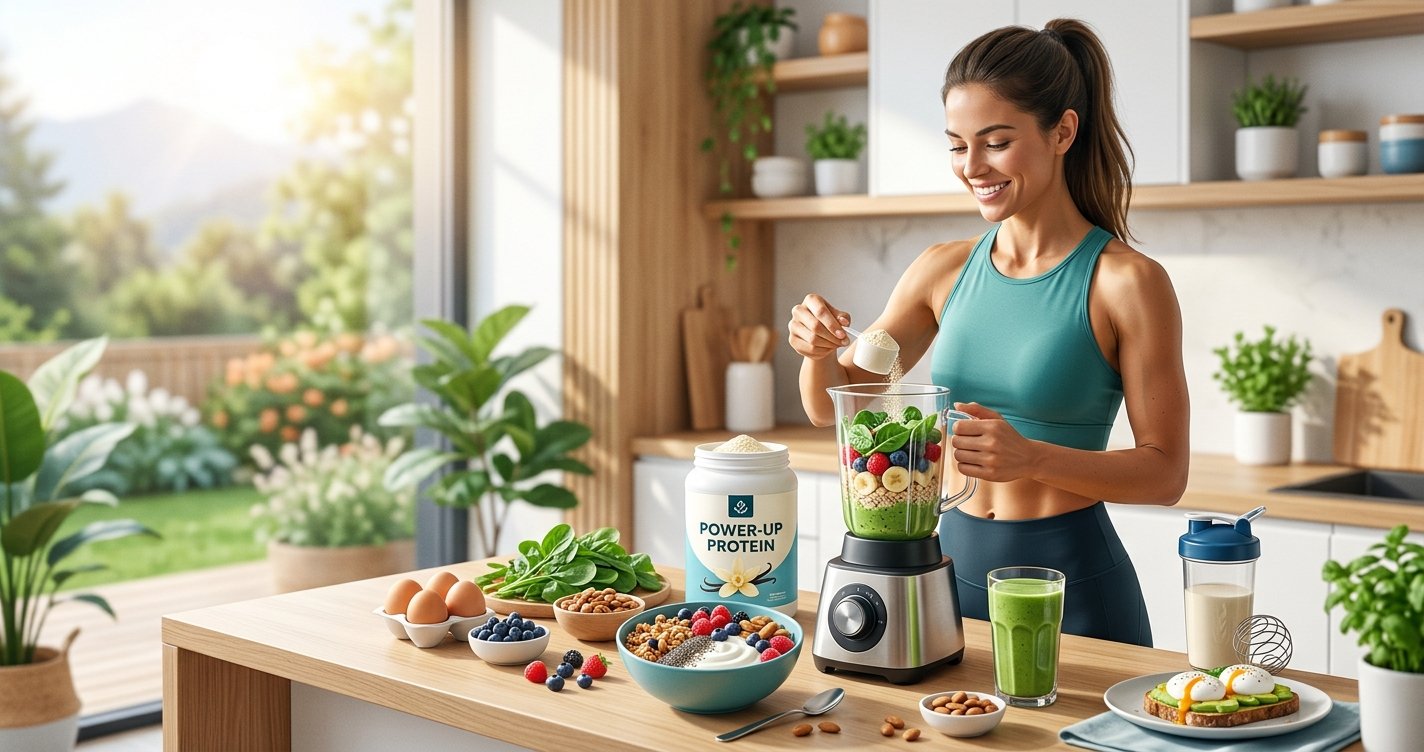
The Protein Power-Up: Unlock Sustainable Fat Loss & Build a Stronger You
Navigating the world of fat loss can feel like a maze. With countless diets, workout fads, and conflicting advice, it’s easy to get lost and discouraged. But what if there was a powerful, science-backed tool that could simplify your journey, help you feel fuller, preserve muscle, and even boost your metabolism? Enter protein – not just for bodybuilders, but for anyone serious about achieving sustainable fat loss and a healthier, stronger body.
Often overlooked in favor of restrictive calorie counting or extreme cardio, protein is a macronutrient powerhouse with an incredible array of benefits that directly support your fat loss goals. It's time to shift your perspective and discover how integrating more protein into your daily diet can be your ultimate game-changer. Let's dive into the evidence and empower you with practical strategies to harness the full potential of protein. this excellent wellness product
Why Protein is Your Secret Weapon for Fat Loss (It's More Than Just Muscles!)
Forget the myth that protein is solely for bulking up. For fat loss, protein plays several crucial roles that no other macronutrient can quite replicate. Understanding these mechanisms will help you appreciate its value and make informed dietary choices.
The Satiety Factor: Feeling Fuller, Longer
One of the biggest challenges in fat loss is managing hunger and cravings. This is where protein truly shines. Protein has a remarkable ability to increase satiety, meaning it helps you feel full and satisfied for longer periods. This isn't just a feeling; it's backed by science. Protein impacts several hormones that regulate appetite, such as ghrelin (the hunger hormone) and GLP-1 (a satiety hormone), helping to reduce overall calorie intake naturally. (Source: Paddon-Jones et al., 2015). When you feel satisfied, you're less likely to snack mindlessly or overeat at your next meal, making adherence to a calorie deficit much easier.
Boosting Your Metabolism: The Thermic Effect of Food (TEF)
Did you know your body burns calories just to digest and process the food you eat? This is known as the Thermic Effect of Food (TEF). And guess what? Protein has the highest TEF of all macronutrients. While carbohydrates have a TEF of 5-10% and fats have 0-3%, protein boasts a TEF of 20-30%. This means that for every 100 calories of protein you consume, your body burns 20-30 calories just to process it. While it might not seem like a huge amount daily, this metabolic boost adds up over time, contributing significantly to your overall calorie expenditure and aiding in fat loss efforts. (Source: Westerterp, 2004).
Preserving Precious Muscle: Why It Matters for Fat Loss
When you're in a calorie deficit to lose fat, your body can sometimes break down muscle tissue for energy, not just fat. This is counterproductive because muscle is metabolically active – it burns more calories at rest than fat does. Losing muscle can slow down your metabolism, making future fat loss harder and increasing the likelihood of weight regain. A high-protein diet is crucial for preserving lean muscle mass during a calorie deficit, ensuring that the weight you lose is primarily fat. This not only keeps your metabolism humming but also helps you achieve a more toned and defined physique. (Source: Mettler et al., 2010).
How Much Protein Do You REALLY Need for Fat Loss?
The recommended daily allowance (RDA) for protein is 0.8 grams per kilogram of body weight, but this is a minimum to prevent deficiency, not necessarily optimal for fat loss or active individuals. For those actively trying to lose fat and preserve muscle, the recommendations are significantly higher.
General Guidelines vs. Individual Needs
- Sedentary Adults: The RDA of 0.8g/kg is often sufficient.
- Active Individuals & Those Seeking Fat Loss: A general recommendation for fat loss is typically 1.6 to 2.2 grams of protein per kilogram of body weight per day. For someone weighing 70kg (approx. 154 lbs), this would translate to about 112-154 grams of protein daily.
- Higher Activity Levels or Very Lean Individuals: Some research suggests that up to 2.5-3.0 grams per kilogram might be beneficial for muscle preservation in very lean individuals during aggressive calorie deficits.
It's important to consider your activity level, current body composition, and specific goals. If you're unsure, consulting with a registered dietitian or nutritionist can provide personalized guidance.
Spreading Your Protein Intake Throughout the Day
Instead of trying to hit a massive protein target in one meal, aim to distribute your protein intake relatively evenly across your meals and snacks. This strategy maximizes muscle protein synthesis (the process of building and repairing muscle) and helps maintain satiety throughout the day. Aim for at least 20-40 grams of protein per main meal (breakfast, lunch, dinner) and include protein in your snacks.
Smart Protein Choices: Fueling Your Body Right
Not all protein sources are created equal, but thankfully, there are plenty of delicious and nutritious options to choose from, whether you prefer animal-based or plant-based foods.
Lean Animal Protein Sources
- Poultry: Chicken breast, turkey breast (skinless)
- Fish: Salmon, cod, tuna, tilapia, shrimp (rich in omega-3s too!)
- Lean Meats: Lean cuts of beef (sirloin, round), pork loin
- Eggs: Whole eggs or egg whites (versatile and affordable)
- Dairy: Greek yogurt, cottage cheese, milk, whey protein (great for snacks and post-workout)
Plant-Based Protein Powerhouses
- Legumes: Lentils, chickpeas, black beans, kidney beans
- Soy Products: Tofu, tempeh, edamame
- Grains: Quinoa, oats (contain some protein)
- Nuts & Seeds: Almonds, peanuts, chia seeds, flax seeds, hemp seeds (also provide healthy fats)
- Plant-Based Protein Powders: Pea protein, rice protein, soy protein
For plant-based eaters, combining different protein sources throughout the day helps ensure you get all essential amino acids.
When to Consider Protein Supplements
Protein supplements, like whey, casein, or plant-based powders, can be a convenient and effective way to meet your daily protein targets, especially if you have a busy lifestyle or struggle to get enough from whole foods alone. They are not magic bullets but can be helpful for:
- Quick post-workout recovery
- Adding protein to smoothies or shakes
- Convenient, high-protein snacks
Always prioritize whole food sources first, but don't hesitate to use supplements to fill the gaps when needed.
Practical Tips to Boost Your Protein Intake Effortlessly
Making small, consistent changes can lead to significant results. Here are some simple ways to increase your protein intake without overhauling your entire diet:
- Start with Protein: Make protein the star of your breakfast. Think eggs, Greek yogurt, cottage cheese, or a protein smoothie.
- Add Protein to Every Meal: Aim for a lean protein source at breakfast, lunch, and dinner.
- Smart Swaps: Replace regular yogurt with Greek yogurt, white bread with whole-grain bread containing more protein, or add chicken to your salad instead of just veggies.
- Protein-Rich Snacks: Keep hard-boiled eggs, cheese sticks, a handful of almonds, or a protein bar handy.
- Meal Prep: Cook larger batches of chicken, fish, or lentils at the beginning of the week to easily add to meals.
- Legume Power: Incorporate beans and lentils into soups, stews, salads, or even as a side dish.
Beyond Protein: Holistic Habits for Sustainable Fat Loss
While protein is a powerful ally, remember that it's part of a larger picture. For truly sustainable fat loss, integrate protein with these essential habits:
- Calorie Deficit: Ultimately, to lose fat, you need to consume fewer calories than you burn. Protein helps you achieve this deficit more comfortably due to its satiety and TEF benefits.
- Strength Training: Combining a high-protein diet with resistance exercise is the most effective strategy for building and preserving muscle mass during fat loss. Aim for 2-4 strength training sessions per week.
- Hydration: Drink plenty of water throughout the day. Sometimes thirst can be mistaken for hunger.
- Sleep & Stress Management: Poor sleep and high stress levels can disrupt hormones that regulate appetite and fat storage, hindering your progress. Prioritize 7-9 hours of quality sleep and find healthy ways to manage stress.
- Consistency & Patience: Fat loss is a journey, not a race. Be consistent with your efforts, be patient with your body, and celebrate small victories along the way.
Conclusion: Embrace the Protein Advantage for Lasting Results
Protein is far more than just a nutrient; it's a strategic partner in your fat loss journey. By prioritizing protein, you're not just curbing hunger and preserving muscle; you're actively boosting your metabolism and setting yourself up for sustainable, long-term success. It empowers you to feel strong, satisfied, and in control, transforming your body composition and overall health.
Stop viewing protein as an optional extra and start seeing it as the fundamental building block of your fat loss strategy. Make conscious choices to include high-quality protein in every meal, combine it with smart lifestyle habits, and watch as you build a leaner, stronger, and more vibrant you. Your body will thank you!