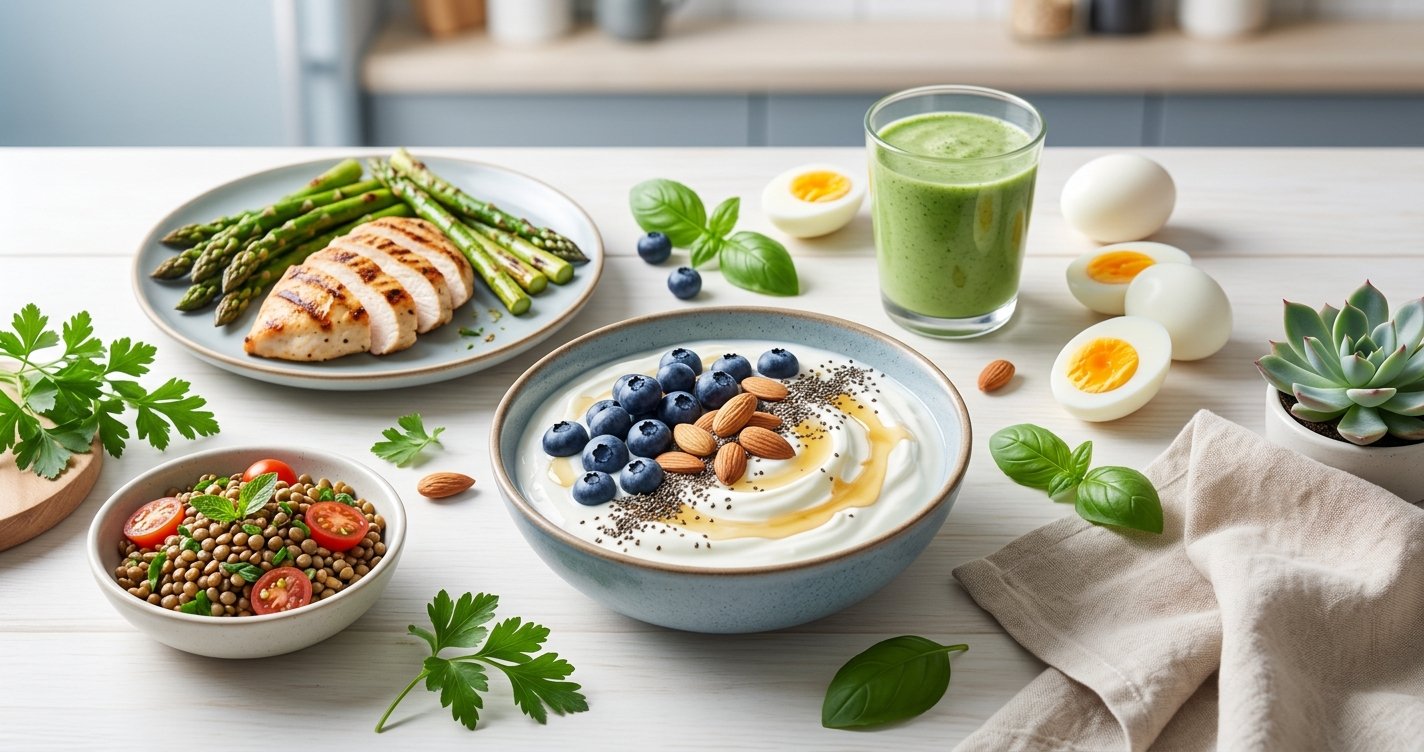
Feeling stuck on your fat loss journey? You’re not alone. Many people focus on calorie restriction and intense cardio, only to find themselves hungry, tired, and eventually plateauing. But what if there was a powerful, science-backed nutrient that could make your fat loss efforts significantly easier, more effective, and most importantly, sustainable? Enter protein – your ultimate ally in building a leaner, healthier you.
Protein isn't just for bodybuilders; it's a critical macronutrient for everyone, especially when you're trying to shed body fat. It plays a pivotal role in keeping you full, boosting your metabolism, and preserving precious muscle mass while you slim down. In this comprehensive guide, we'll dive deep into why protein is a game-changer for fat loss, how much you truly need, and practical ways to effortlessly integrate more of it into your daily diet. this excellent wellness product
Why Protein is Your Secret Weapon for Fat Loss
Let's break down the incredible ways protein helps you achieve and maintain a healthy body composition.
The Satiety Factor: Feeling Fuller, Longer
One of the biggest challenges in fat loss is managing hunger and cravings. This is where protein shines! Protein has a remarkable ability to increase feelings of fullness (satiety) more effectively than carbohydrates or fats. When you eat protein, it triggers the release of specific hormones in your gut, like GLP-1 and PYY, which signal to your brain that you're satisfied. At the same time, it helps suppress ghrelin, the 'hunger hormone'.
What does this mean for you? Eating enough protein can significantly reduce your overall calorie intake by curbing your appetite, minimizing those pesky cravings, and preventing overeating at subsequent meals. It's like having a natural appetite suppressant on your side!
Boosting Your Metabolism: The Thermic Effect of Food (TEF)
Did you know that your body burns calories just to digest, absorb, and metabolize the food you eat? This phenomenon is known as the Thermic Effect of Food (TEF), and protein has the highest TEF of all macronutrients. Approximately 20-30% of the calories from protein are burned off during digestion, compared to 5-10% for carbohydrates and 0-3% for fats.
This means that simply by choosing protein-rich foods, you're giving your metabolism a small but consistent boost throughout the day. Over time, these extra calories burned add up, contributing to a more efficient fat loss process.
Preserve Muscle, Burn More Fat: The Lean Mass Advantage
When you're in a calorie deficit (eating fewer calories than you burn), your body will naturally look for energy sources. Without adequate protein, there's a risk that some of that energy will come from your muscle tissue, not just fat. Losing muscle is counterproductive to fat loss for several reasons:
- Muscle is metabolically active: The more muscle you have, the more calories your body burns at rest. Losing muscle slows down your metabolism, making fat loss harder in the long run.
- Improved body composition: You want to lose fat, not just weight. Preserving muscle ensures that the numbers on the scale reflect true fat loss, leading to a leaner, more toned physique.
- Strength and function: Maintaining muscle mass helps you stay strong, capable, and supports your overall physical health as you get leaner.
Adequate protein intake provides the building blocks (amino acids) your muscles need to repair and grow, even when you're in a calorie deficit. Coupled with strength training, a high-protein diet is your best strategy for preserving muscle and ensuring the weight you lose is predominantly fat.
How Much Protein Do You Really Need for Fat Loss?
This is a common question with varying answers, but for fat loss, the recommendations are generally higher than for general health. While the Recommended Dietary Allowance (RDA) is 0.8 grams of protein per kilogram of body weight, this is merely the minimum to prevent deficiency, not necessarily optimal for fat loss or muscle preservation.
For individuals actively trying to lose fat, research suggests a range of 1.6 to 2.2 grams of protein per kilogram of body weight (0.7 to 1.0 grams per pound of body weight) is ideal. Some studies even suggest up to 2.4-3.1 g/kg for very lean individuals in a deep calorie deficit to maximize muscle retention.
To calculate your target, simply multiply your current body weight in kilograms by your desired protein factor (e.g., 1.8g/kg). If you prefer pounds, multiply your weight in pounds by 0.8g/lb.
Example: A person weighing 70 kg (154 lbs) aiming for 2.0g/kg would target 140 grams of protein per day. A person weighing 154 lbs aiming for 0.8g/lb would also target 123 grams of protein per day.
Don't get too caught up in hitting an exact number every single day, but aim for consistency within this range. Listen to your body and adjust based on your activity level and how you feel.
Smart Protein Choices: Fueling Your Body Right
Not all protein sources are created equal. Prioritizing lean, whole food sources will provide you with essential nutrients without excessive calories or unhealthy fats.
Lean Protein Sources
- Animal-based: Chicken breast, turkey breast, lean beef (sirloin, round), pork loin, fish (salmon, cod, tuna, tilapia), eggs, Greek yogurt, cottage cheese, whey protein. These sources typically offer a complete amino acid profile, meaning they contain all nine essential amino acids your body can't produce.
- Plant-based: Lentils, beans (black, kidney, chickpeas), tofu, tempeh, edamame, quinoa, seitan, plant-based protein powders (pea, soy, hemp). While many plant sources are 'incomplete' on their own, a varied plant-based diet throughout the day will provide all essential amino acids.
Spreading Your Protein Intake
Instead of trying to consume all your protein in one massive meal, aim to distribute it relatively evenly throughout the day. Research suggests that consuming 20-40 grams of protein per meal, across 3-5 meals, is optimal for maximizing muscle protein synthesis and satiety. This strategy helps maintain a steady supply of amino acids, which is crucial for muscle repair and growth, and keeps you feeling fuller for longer between meals.
Practical Tips to Boost Your Protein Intake
Integrating more protein into your diet doesn't have to be complicated. Here are some simple, actionable tips:
- Start Your Day Strong: Ditch the sugary cereals and opt for protein-packed breakfasts. Think Greek yogurt with berries, scrambled eggs with veggies, or a protein smoothie.
- Make Protein a Priority at Every Meal: When planning your meals, always start with your protein source. Build the rest of your meal around it.
- Smart Snacking: Instead of chips or cookies, reach for protein-rich snacks like a handful of almonds, a hard-boiled egg, cottage cheese, or a protein bar.
- Don't Fear Supplements (When Appropriate): Protein powders (whey, casein, plant-based) can be a convenient and effective way to meet your protein targets, especially if you're active or struggle to get enough from whole foods alone. They're not magic, but they're a helpful tool.
- Meal Prep for Success: Cook larger batches of lean protein (chicken, ground turkey, lentils) at the beginning of the week to easily add to your meals throughout busy days.
- Read Food Labels: Pay attention to the protein content of packaged foods. You might be surprised where you can find hidden protein boosts.
Beyond Protein: The Holistic Approach to Sustainable Fat Loss
While protein is a superstar for fat loss, it's essential to remember it's one powerful piece of a larger puzzle. For truly sustainable and healthy fat loss, consider these other crucial elements:
- Calorie Deficit: Ultimately, you need to consume slightly fewer calories than you burn. Protein helps you achieve this deficit more comfortably.
- Strength Training: As mentioned, combining high protein with strength training is the ultimate duo for muscle preservation and a boosted metabolism.
- Hydration: Drink plenty of water throughout the day. It supports metabolism and can also help with satiety.
- Adequate Sleep: Poor sleep can disrupt hormones that regulate appetite and metabolism, making fat loss harder. Aim for 7-9 hours per night.
- Stress Management: Chronic stress can lead to increased cortisol levels, which can promote fat storage, especially around the belly.
- Patience and Consistency: Fat loss is a journey, not a race. Be consistent with your healthy habits, and celebrate small victories along the way.
Your Leaner Future Starts Today!
Embracing protein as a cornerstone of your diet is one of the most effective and sustainable strategies for achieving your fat loss goals. By harnessing its power to keep you full, boost your metabolism, and protect your muscle, you're setting yourself up for success – not just in losing weight, but in building a stronger, healthier, and more vibrant you. Start incorporating more protein into your meals today, and experience the difference it makes on your journey to sustainable fat loss!