Unlock Your Fat Loss Potential: The Science-Backed Power of Protein
Are you navigating the often-confusing world of fat loss, feeling like you've tried everything with limited success? What if we told you there's a powerful, science-backed nutrient that could be your secret weapon? We're talking about protein! Often associated only with bodybuilders, protein is actually a powerhouse macronutrient essential for anyone looking to shed unwanted fat sustainably, feel fuller, and build a healthier, stronger body.
Forget restrictive diets and endless cardio. This guide will dive deep into why protein is so crucial for effective fat loss, how much you truly need, the best sources, and practical tips to integrate it seamlessly into your daily life. Get ready to power up your plate and transform your approach to achieving your fat loss goals! this excellent wellness product
Why Protein is Your Fat Loss MVP (Most Valuable Player): The Core Benefits
Protein isn't just a building block for muscles; it's a strategic ally in your fat loss journey. Let's explore the key ways it supports your goals:
Satiety Superpower: Feeling Fuller, Longer
One of the biggest challenges in fat loss is managing hunger and cravings. This is where protein truly shines! Protein has a remarkable ability to keep you feeling full and satisfied for longer periods compared to carbohydrates or fats. Here's why:
- Hormone Regulation: Protein significantly impacts the hormones that control hunger and fullness. It boosts levels of satiety-inducing hormones like GLP-1 and PYY, while simultaneously reducing ghrelin, the hormone that signals hunger.
- Reduced Snacking: When you're consistently satiated, you're less likely to reach for unhealthy snacks between meals, making it much easier to maintain a calorie deficit without feeling deprived.
- Curbing Cravings: By stabilizing blood sugar and providing sustained energy, a protein-rich diet can help reduce those intense cravings for sugary or high-fat foods.
Imagine going through your day feeling genuinely satisfied after meals, rather than constantly thinking about your next snack. That's the power of protein in action!
Metabolic Boost: The Thermic Effect of Food (TEF)
Did you know that your body expends energy just to digest, absorb, and metabolize the food you eat? This is known as the Thermic Effect of Food (TEF), and protein has the highest TEF of all macronutrients.
- Higher Energy Expenditure: Protein requires significantly more energy to process (20-30% of its caloric content) compared to carbohydrates (5-10%) and fats (0-3%).
- Slight Daily Calorie Burn Increase: While not a massive increase, consistently consuming more protein means you're burning slightly more calories throughout the day just by eating. Over time, these small increases contribute to your overall calorie deficit, making fat loss a little easier.
Think of it as a small, continuous internal workout your body performs just by processing protein – a subtle but effective metabolism boost!
Muscle Preservation: Protecting Your Metabolism
When you're trying to lose weight, your body doesn't always discriminate between fat and muscle. Without proper strategies, you can inadvertently lose valuable muscle mass alongside fat. This is detrimental because muscle tissue is more metabolically active than fat tissue, meaning it burns more calories at rest.
Here's how protein helps:
- Building and Repairing: Protein provides the amino acids necessary for muscle protein synthesis, which is the process of building and repairing muscle tissue.
- Combating Muscle Loss: During a calorie deficit, consuming adequate protein signals to your body to preserve existing muscle mass. This is especially important when combined with resistance training.
- Maintaining a Higher Metabolism: By preserving lean muscle mass, you protect your resting metabolic rate (RMR), ensuring your body continues to burn calories efficiently even when you're not exercising. This is crucial for long-term, sustainable fat loss and preventing weight regain.
Keeping your muscles happy and healthy means your body remains a more efficient fat-burning machine!
How Much Protein Do You Really Need for Fat Loss?
While the general recommended daily allowance (RDA) for protein is 0.8 grams per kilogram (g/kg) of body weight, this is merely a baseline to prevent deficiency. For optimal fat loss and muscle preservation, research suggests a higher intake:
- General Guideline: Aim for approximately 1.6 to 2.2 grams of protein per kilogram of body weight (or 0.7 to 1 gram per pound of body weight) daily.
- Example: If you weigh 70 kg (about 154 lbs), you'd aim for roughly 112-154 grams of protein per day.
- Individualization: Your exact needs can vary based on your activity level, age, current body composition, and specific fat loss goals. Highly active individuals or those engaging in regular resistance training may benefit from the higher end of this range.
Don't get too caught up in perfect numbers initially. Start by consciously increasing your protein intake at each meal and see how you feel. Consistency is more important than immediate perfection!
Timing and Distribution: Maximizing Your Protein Intake
It's not just about how much protein you eat, but also when and how you distribute it throughout your day. Spreading your protein intake can amplify its benefits:
- Even Distribution: Instead of front-loading or back-loading your protein, aim to consume roughly 20-40 grams of protein at each main meal (breakfast, lunch, and dinner).
- Breakfast is Key: Many people skip protein at breakfast. Starting your day with a protein-rich meal can kickstart your metabolism, enhance satiety, and reduce overall calorie intake later in the day.
- Post-Workout: While the 'anabolic window' isn't as strict as once thought, consuming protein after resistance training can still aid in muscle repair and growth, which is beneficial for maintaining lean mass during fat loss.
- Smart Snacking: If you need a snack, make it a protein-rich one to maintain satiety and prevent overeating at your next meal.
Smart Protein Sources: Fueling Your Body Right
Choosing high-quality protein sources is vital not only for fat loss but for overall health. Focus on whole, minimally processed foods:
Animal-Based Protein Sources:
- Lean Meats: Chicken breast, turkey, lean beef (sirloin, round), pork loin.
- Fish and Seafood: Salmon (rich in omega-3s), tuna, cod, shrimp.
- Eggs: A complete protein, versatile, and affordable.
- Dairy: Greek yogurt, cottage cheese, milk (excellent sources of casein and whey protein).
Plant-Based Protein Sources:
- Legumes: Lentils, chickpeas, black beans, kidney beans.
- Soy Products: Tofu, tempeh, edamame.
- Grains: Quinoa, oats (contain some protein).
- Nuts and Seeds: Almonds, peanuts, chia seeds, flaxseeds, pumpkin seeds (also provide healthy fats).
- Protein Powders: Whey, casein, soy, pea, or rice protein powders can be convenient supplements to help you meet your daily targets, especially if you struggle to get enough from whole foods. They are excellent for smoothies or post-workout shakes.
Aim for variety to ensure you're getting a full spectrum of amino acids and other essential nutrients.
Integrating Protein into Your Daily Meals: Practical Tips
Making protein a priority doesn't have to be complicated. Here are some simple ways to boost your intake:
- High-Protein Breakfasts: Scrambled eggs with spinach, Greek yogurt with berries and a sprinkle of seeds, a protein smoothie, or cottage cheese with fruit.
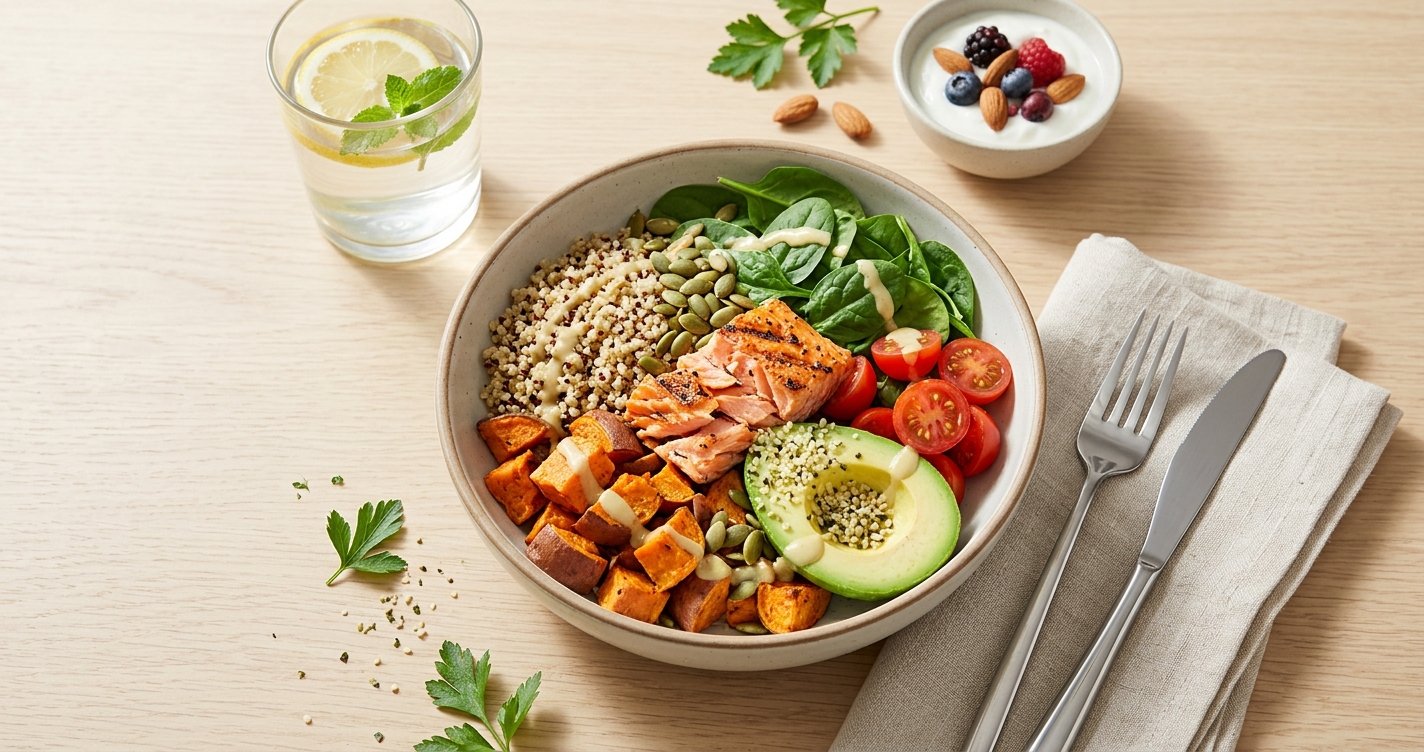
- Lunch & Dinner Staples: Add a generous serving of lean protein to every meal. Think grilled chicken salads, lentil soup, a piece of baked fish with roasted vegetables, or a tofu stir-fry.
- Smart Snacking: Keep hard-boiled eggs, a handful of almonds, a serving of cottage cheese, or a protein bar handy for quick, satisfying snacks.
- Meal Prepping: Cook larger batches of protein (e.g., chicken breasts, lentils) at the beginning of the week to easily add to your meals later.
- Read Food Labels: Pay attention to the protein content when grocery shopping. Choose products that offer a good protein punch.
- Get Creative: Incorporate protein powder into oatmeal, pancakes, or even baked goods for an extra boost.
Beyond Protein: A Holistic Approach to Fat Loss
While protein is an incredible tool, remember it's one piece of a larger puzzle. For truly sustainable fat loss and overall well-being, consider these complementary factors:
- Calorie Deficit: Ultimately, to lose fat, you still need to consume fewer calories than you burn. Protein makes achieving this deficit easier by keeping you full, but it doesn't negate the need for it.
- Resistance Training: Combining a high-protein diet with strength training is the most effective strategy for preserving muscle mass and boosting your metabolism during fat loss.
- Hydration: Drinking plenty of water supports metabolism, satiety, and overall bodily functions.
- Adequate Sleep: Poor sleep can disrupt hunger hormones and lead to increased cravings and fat storage. Prioritize 7-9 hours of quality sleep.
- Stress Management: Chronic stress can elevate cortisol levels, potentially leading to increased fat storage, especially around the midsection.
Protein is a powerful tool, but it works best in conjunction with these other healthy lifestyle habits.
Your Journey to a Healthier, Leaner You Starts Now!
There you have it! The undeniable power of protein in your fat loss journey. By prioritizing this vital macronutrient, you're not just aiming for a lower number on the scale; you're actively working towards a more satiated, energetic, and metabolically robust body. From boosting satiety and supercharging your metabolism to preserving precious muscle, protein is your steadfast companion on the path to sustainable fat loss.
Don't feel overwhelmed. Start small. Focus on adding a good source of protein to every meal, experiment with new recipes, and pay attention to how your body feels. With consistency, patience, and the incredible power of protein, you're well on your way to achieving your fat loss goals and embracing a healthier, stronger you. You've got this!