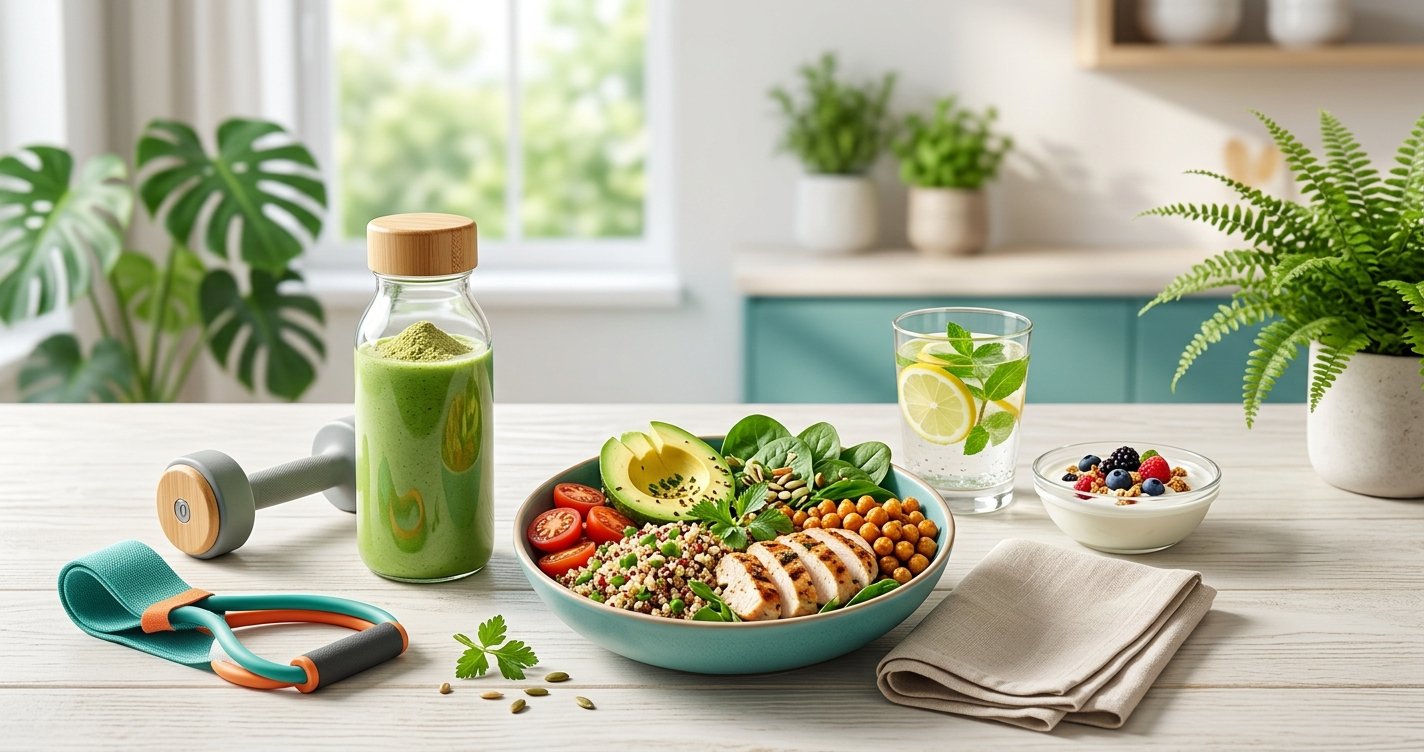
The Protein Power-Up: Fueling Sustainable Fat Loss & Keeping Your Muscle
Embarking on a fat loss journey can feel like navigating a complex maze. Everywhere you look, there's conflicting advice, quick fixes, and promises that often fall short. But what if one simple, yet powerful, nutritional strategy could significantly impact your success, making the process smoother, more sustainable, and ultimately, more rewarding? We're talking about protein – your unsung hero in the quest for lasting fat loss and maintaining that hard-earned muscle.
Forget the fads; this isn't about deprivation or extreme measures. This is about understanding how to strategically fuel your body to maximize fat burning, keep you feeling satisfied, and protect your metabolism. Ready to unlock the full potential of protein for a leaner, stronger you? Let's dive into the evidence-based strategies that will empower your fat loss journey. this excellent wellness product
Why Protein Is Your Best Friend for Fat Loss
When it comes to shedding body fat, protein isn't just a nutrient; it's a strategic ally. Its unique properties make it stand out from carbohydrates and fats, offering multiple benefits that directly contribute to effective and sustainable fat loss.
1. The Satiety Superstar: Feeling Fuller, Longer
One of protein's most celebrated benefits is its remarkable ability to keep you feeling full and satisfied. Studies consistently show that high-protein meals reduce hunger and appetite more effectively than meals with lower protein content. This means fewer cravings, less mindless snacking, and an easier time sticking to a calorie deficit without feeling constantly deprived. Imagine going about your day without the nagging hunger pangs – that's the power of protein!
2. The Thermic Effect: Burning More Calories Just by Eating
Did you know that your body expends energy just to digest, absorb, and metabolize the food you eat? This is known as the Thermic Effect of Food (TEF), and protein has the highest TEF of all macronutrients. Approximately 20-30% of the calories from protein are burned during digestion, compared to 5-10% for carbs and 0-3% for fats. While it won't single-handedly melt away pounds, this metabolic boost adds up over time, giving you a slight edge in your daily calorie expenditure.
The Muscle-Saving Secret: Protein's Role in a Calorie Deficit
When you're aiming for fat loss, you're intentionally eating fewer calories than your body burns. While this is essential for weight loss, the challenge is ensuring that the weight you lose is primarily fat, not precious muscle mass. This is where protein truly shines.
Maintaining muscle mass during a calorie deficit is crucial for several reasons:
- Metabolic Health: Muscle is metabolically active tissue, meaning it burns more calories at rest than fat. The more muscle you retain, the higher your resting metabolism, making it easier to maintain your weight loss long-term.
- Strength & Function: Losing muscle can lead to decreased strength, making everyday tasks harder and impacting your overall quality of life.
- Body Composition: A higher muscle-to-fat ratio creates a more toned, aesthetic physique, even at the same body weight.
Adequate protein intake signals to your body that it should prioritize breaking down fat for energy, not muscle. When combined with strength training, protein provides the building blocks (amino acids) necessary for muscle repair and growth, further safeguarding your lean mass even as you shed fat.
How Much Protein Do You Really Need?
The standard dietary recommendations for protein are often insufficient for individuals actively pursuing fat loss and muscle retention. While general guidelines exist, your optimal protein intake depends on several factors, including your activity level, current body weight, and fat loss goals.
For optimal fat loss and muscle preservation, current research suggests aiming for:
- 0.7 to 1.0 grams of protein per pound of body weight (or 1.6 to 2.2 grams per kilogram of body weight) per day.
For example, if you weigh 150 pounds, you might aim for 105-150 grams of protein daily. If you're very active or significantly overweight, you might lean towards the higher end of this range, or base your calculations on your target lean body mass rather than total body weight.
Spreading Your Intake
It's not just about the total amount; how you distribute your protein throughout the day also matters. Aim to include a significant source of protein (20-40 grams) in each of your main meals and snacks. This strategy helps maximize muscle protein synthesis and keeps you feeling fuller consistently.
Top Protein Sources: Fueling Your Body Smartly
Incorporating more protein into your diet doesn't have to be bland or boring. There's a vast array of delicious and nutritious protein sources to choose from:
Animal-Based Proteins:
- Lean Meats: Chicken breast, turkey, lean beef (sirloin, round), pork loin.
- Fish & Seafood: Salmon, tuna, cod, shrimp, scallops (excellent source of omega-3s too!).
- Eggs: A complete protein powerhouse, versatile and affordable.
- Dairy: Greek yogurt, cottage cheese, milk, whey protein (great for snacks or post-workout).
Plant-Based Proteins:
- Legumes: Lentils, chickpeas, black beans (also high in fiber!).
- Soy Products: Tofu, tempeh, edamame.
- Nuts & Seeds: Almonds, peanuts, chia seeds, flax seeds, hemp seeds (in moderation due to calorie density).
- Whole Grains: Quinoa, oats (contain some protein, but not as concentrated as other sources).
- Plant-Based Protein Powders: Pea, rice, soy protein for convenience.
Smart Strategies for Boosting Your Protein Intake
Making protein a priority doesn't require a complete dietary overhaul. Here are some practical, friendly tips to effortlessly increase your intake:
- Start Your Day Strong: Swap sugary cereals for Greek yogurt with berries, scrambled eggs, or a protein smoothie.
- Protein-Packed Snacks: Keep hard-boiled eggs, cottage cheese, a handful of almonds, or a protein bar handy.
- Lean Meats with Every Meal: Make lean protein the centerpiece of your lunch and dinner plates.
- Add Protein to Sides: Stir lentils into soups, toss chickpeas into salads, or add grilled chicken to pasta dishes.
- Use Protein Powder: A convenient way to boost protein in smoothies, oatmeal, or even baked goods.
- Prioritize Protein First: When building your plate, serve your protein source first, then add vegetables and complex carbohydrates.
Beyond Protein: The Holistic Picture
While protein is a superstar, remember that sustainable fat loss is a symphony, not a solo act. For best results, integrate your high-protein strategy with other healthy habits:
- Calorie Awareness: Protein helps, but you still need a moderate calorie deficit for fat loss. Focus on nutrient-dense foods.
- Hydration: Drink plenty of water throughout the day. Sometimes thirst is mistaken for hunger.
- Strength Training: Crucial for building and maintaining muscle, which works synergistically with protein intake.
- Adequate Sleep: Poor sleep can disrupt hunger hormones and make fat loss harder. Aim for 7-9 hours per night.
- Stress Management: Chronic stress can lead to increased cortisol levels, which can hinder fat loss.
Putting It All Together: Your Action Plan for Sustainable Results
You now have the knowledge to harness the power of protein for effective and sustainable fat loss. It's not about quick fixes; it's about making informed choices that support your body and your goals. By prioritizing protein, you'll feel fuller, protect your metabolism, and build a stronger, leaner physique.
Start small. Try adding an extra protein source to one meal a day, then two. Track your intake for a few days to get a sense of where you stand. Be patient with yourself, stay consistent, and celebrate the small victories along the way. Your journey to a healthier, happier you is well within reach, and protein is here to help you every step of the way!