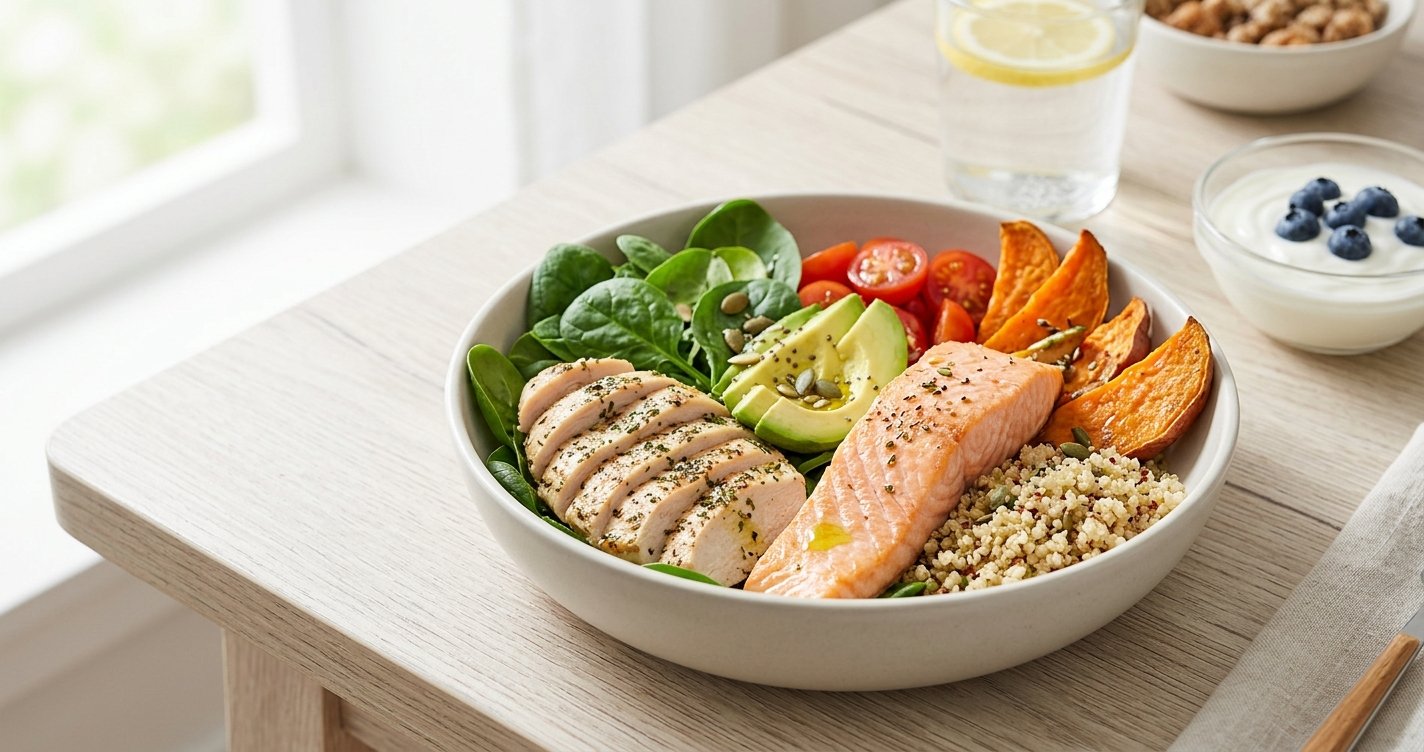
The Protein Powerhouse: Unlocking Sustainable Fat Loss and a Leaner You
Are you tired of diet plans that leave you feeling constantly hungry, deprived, and ultimately, frustrated? Many people associate fat loss with relentless calorie restriction, but what if there was a powerful, science-backed strategy that could help you feel fuller, preserve muscle, and even boost your metabolism? Enter protein – your ultimate ally in the journey towards sustainable fat loss and a healthier, leaner you.
Forget the fads and unsustainable extremes. This post will dive deep into the incredible benefits of incorporating adequate protein into your diet, showing you how this mighty macronutrient can transform your fat loss efforts from a battle against hunger into a more enjoyable, effective, and lasting success story. Let's unlock the power of protein together! this excellent wellness product
Why Protein is Your Ultimate Ally in Fat Loss
When it comes to shedding unwanted fat, protein isn't just another nutrient; it's a strategic powerhouse. Unlike carbohydrates and fats, protein plays several unique and critical roles that directly support your fat loss goals. It helps you control hunger, preserve precious muscle mass, and even burns more calories during digestion. Understanding these mechanisms is the first step to harnessing its full potential.
The Satiety Secret: Taming Hunger Pangs and Cravings
One of the biggest struggles with any fat loss journey is managing hunger. Constant cravings and a rumbling stomach can quickly derail even the best intentions. This is where protein shines brightest. Research consistently shows that protein is the most satiating macronutrient, meaning it keeps you feeling fuller for longer compared to equal calorie amounts of carbohydrates or fats.
How does it work? Protein influences several hunger-regulating hormones in your body. It helps suppress ghrelin, the 'hunger hormone,' while simultaneously boosting levels of satiety hormones like PYY and GLP-1. The result? You feel more satisfied after meals, are less likely to snack unnecessarily, and naturally consume fewer calories throughout the day without feeling deprived. Imagine eating less without constantly battling your appetite – that's the protein advantage!
Muscle Matters: Protecting Your Metabolism While Losing Weight
When you embark on a fat loss diet, your body doesn't always discriminate between fat and muscle. Unfortunately, if not managed correctly, you can lose valuable muscle mass alongside fat. This is a problem because muscle is metabolically active tissue, meaning it burns more calories at rest than fat does. Losing muscle can slow down your metabolism, making it harder to lose weight and easier to regain it.
Adequate protein intake is absolutely crucial for preserving lean muscle mass during a calorie deficit. Protein provides the essential amino acids your body needs for muscle protein synthesis (MPS) – the process of building and repairing muscle tissue. By supplying your muscles with the building blocks they need, you help safeguard your metabolism, ensuring that the weight you lose is primarily fat, not muscle. Even if you're not lifting heavy weights, sufficient protein helps maintain your existing muscle structure.
The Thermic Effect of Food (TEF): Burning Calories Just By Eating
Did you know that your body actually burns calories just to digest, absorb, and metabolize the food you eat? This phenomenon is known as the Thermic Effect of Food (TEF). And guess which macronutrient has the highest TEF? You guessed it – protein!
While carbohydrates have a TEF of about 5-10% and fats around 0-3%, protein boasts a TEF of 20-30%. This means that for every 100 calories of protein you consume, your body expends 20-30 calories just to process it. In simple terms, eating protein gives you a metabolic advantage, allowing you to burn more calories without any extra effort. Over the course of a day, and certainly over weeks and months, this 'passive' calorie burn can significantly contribute to your overall fat loss.
How Much Protein Do You Really Need for Fat Loss?
While the exact amount can vary based on individual factors like activity level, age, and current body composition, general recommendations for fat loss typically range higher than the standard dietary allowance. For optimal muscle preservation and satiety during a calorie deficit, aiming for 0.7 to 1.0 grams of protein per pound of body weight (or 1.6 to 2.2 grams per kilogram) is a good target.
For example, if you weigh 150 pounds, you'd aim for 105 to 150 grams of protein per day. It's also beneficial to spread your protein intake evenly throughout the day, rather than consuming most of it in one meal. Aim for 20-40 grams of protein per meal, across 3-5 meals, to consistently stimulate muscle protein synthesis and maximize satiety.
Practical Strategies to Boost Your Daily Protein Intake
Incorporating more protein into your diet doesn't have to be complicated or bland. Here are some simple, delicious ways to increase your protein intake throughout the day:
- Start Your Day Strong: Swap sugary cereals for eggs, Greek yogurt, cottage cheese, or a protein smoothie.
- Prioritize Protein at Every Meal: Make lean protein sources the centerpiece of your lunch and dinner. Think chicken breast, turkey, fish (salmon, tuna, cod), lean beef, pork tenderloin, tofu, tempeh, or lentils.
- Smart Snacking: Instead of chips or cookies, opt for protein-rich snacks like a handful of almonds, string cheese, hard-boiled eggs, a small container of Greek yogurt, or a protein bar (check for low sugar).
- Legumes and Grains: Incorporate beans, lentils, and chickpeas into salads, soups, or as side dishes. Quinoa is also a complete protein and a great carb source.
- Protein Powder: While whole foods are always best, protein powder can be a convenient supplement. Add it to smoothies, oatmeal, or even baked goods.
- Meal Prep: Cook larger batches of protein sources like grilled chicken or roasted chickpeas at the beginning of the week to ensure easy access to healthy options.
Debunking Common Protein Myths
Despite its benefits, protein often gets a bad rap due to lingering myths. Let's clear the air:
- “Too much protein is bad for your kidneys!” For healthy individuals with normal kidney function, there is extensive research showing that high protein intake (even up to 2.2 g/kg/day) is perfectly safe and does not harm kidney health. If you have pre-existing kidney disease, always consult your doctor.
- “Protein will make me bulky!” Unless you're intentionally lifting heavy weights, consuming a calorie surplus, and genetically predisposed, simply eating more protein won't make you 'bulky.' It helps preserve lean muscle, which contributes to a toned, rather than bulky, physique.
- “You need expensive supplements for enough protein.” While protein supplements can be convenient, they are by no means essential. You can absolutely meet your protein needs through a varied diet of whole foods. Think of supplements as just that – supplementary.
Putting It All Together: Your Path to Sustainable Fat Loss Starts Here
Embracing protein as a cornerstone of your diet is one of the most effective and sustainable strategies for fat loss. By prioritizing this powerful macronutrient, you'll naturally feel more satisfied, protect your metabolism by preserving muscle, and even burn more calories through the digestion process. This isn't about deprivation; it's about smart, evidence-based nutrition that works with your body, not against it.
Start by making small, consistent changes. Focus on adding a good source of protein to every meal, experiment with new recipes, and listen to your body's signals. With protein as your ally, you're not just losing weight; you're building a healthier, stronger, and more sustainable foundation for a leaner you. You've got this!