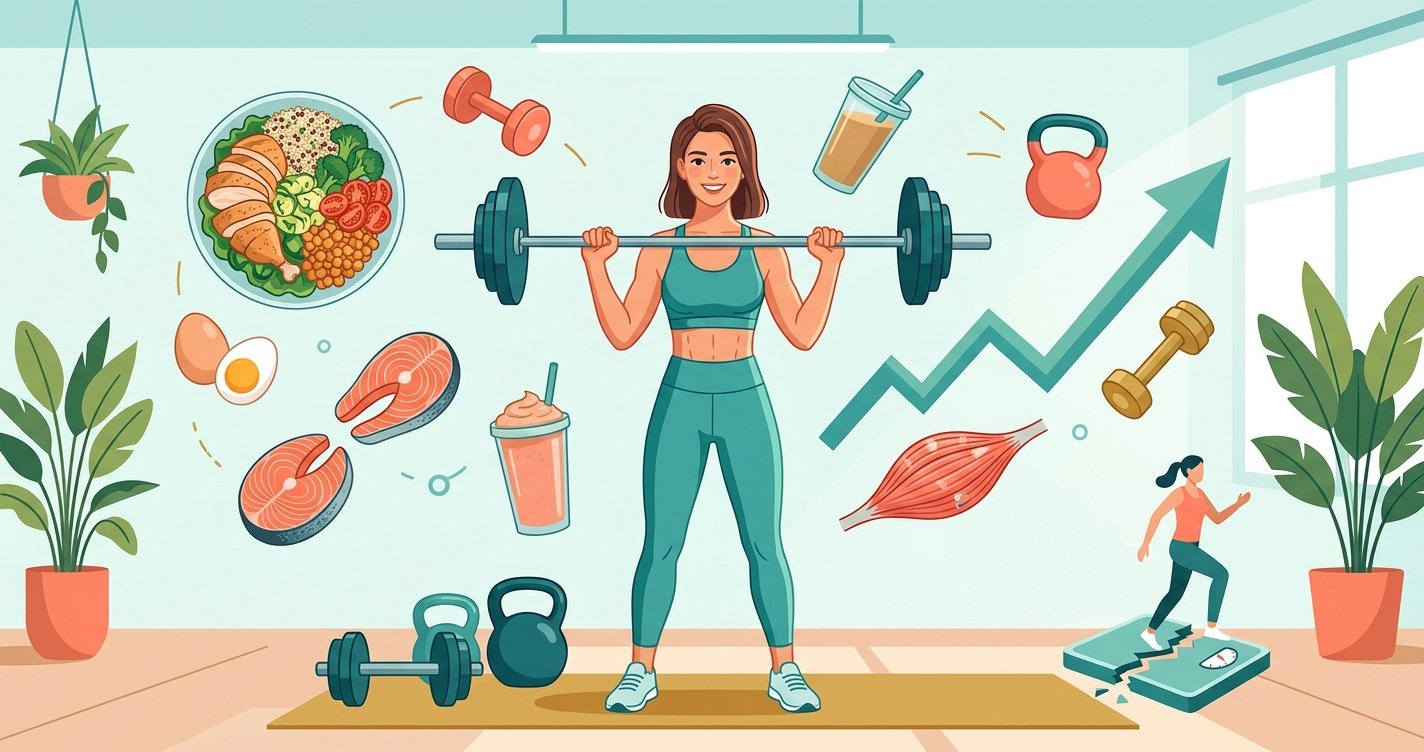
In a world obsessed with quick fixes and dramatic transformations, the journey to fat loss can often feel like a confusing maze. From restrictive crash diets promising overnight miracles to endless cardio sessions, many approaches leave us feeling frustrated, depleted, and often, heavier than when we started. But what if there was a more intelligent, sustainable, and empowering path? A path that not only helps you shed unwanted fat but also builds a stronger, healthier, and more confident you?
Welcome to the evidence-based approach to fat loss, where two powerful allies stand out: adequate protein intake and consistent strength training. Forget deprivation and endless hours on the treadmill. This article will unveil how these two pillars work synergistically to transform your body, boost your metabolism, and set you up for lasting success, far beyond just what the scale says. this excellent wellness product
The Vicious Cycle of Crash Diets: Why They Fail You
Before we dive into the solutions, let's understand why many popular fat loss methods fall short. Crash diets, characterized by extreme calorie restriction, often lead to rapid initial weight loss. While this might feel encouraging at first, it's often a deceptive illusion.
- Temporary Water Loss: Much of the initial weight lost is water weight, not actual body fat.
- Muscle Catabolism: When you drastically cut calories without sufficient protein, your body starts breaking down muscle tissue for energy. Muscle is metabolically active, meaning it burns more calories at rest than fat. Losing muscle slows down your metabolism, making it harder to burn fat in the long run.
- Metabolic Slowdown: Your body is smart. When it senses starvation, it adapts by slowing down your metabolism to conserve energy – a process known as adaptive thermogenesis. This makes future fat loss even more challenging.
- Nutrient Deficiencies & Mood Swings: Extreme restriction often means missing out on vital nutrients, leading to fatigue, irritability, and poor health outcomes.
- Rebound Weight Gain: The restrictive nature of crash diets is unsustainable. Once you inevitably return to normal eating patterns, your slower metabolism and increased hunger hormones often lead to rapid weight regain, often exceeding the initial weight lost. This 'yo-yo' effect is detrimental to both physical and mental health.
It's clear: sustainable fat loss requires a strategy that respects your body's physiology, not one that fights against it.
Unleash the Power of Protein: Your Fat Loss Ally
Protein isn't just for bodybuilders; it's a cornerstone of effective fat loss for everyone. Integrating sufficient protein into your diet offers a multitude of benefits that directly support your goals.
Protein's Triple Threat for Fat Loss
- Satiety & Reduced Cravings: Protein is incredibly satiating. It keeps you feeling fuller for longer compared to carbohydrates or fats, reducing overall calorie intake naturally. Studies show that higher protein diets can significantly decrease hunger and reduce late-night snacking. This is partly due to its impact on hormones like ghrelin (the hunger hormone) and peptide YY (a satiety hormone).
- Higher Thermic Effect of Food (TEF): Your body expends energy to digest, absorb, and metabolize food. This is known as the Thermic Effect of Food (TEF). Protein has the highest TEF of all macronutrients, meaning you burn more calories simply by eating it. While carbohydrates have a TEF of 5-10% and fats 0-3%, protein boasts a TEF of 20-30%. This 'metabolic boost' adds up over time.
- Muscle Preservation: When you're in a calorie deficit to lose fat, your body is at risk of breaking down muscle tissue for energy. Adequate protein intake is crucial for preserving this precious lean mass. The more muscle you maintain (or even build), the higher your resting metabolic rate, making it easier to burn fat and keep it off.
How Much Protein is Optimal for Fat Loss?
While general recommendations for protein intake hover around 0.8 grams per kilogram of body weight, those aiming for fat loss often benefit from higher amounts. Current research suggests consuming between 1.6 to 2.2 grams of protein per kilogram of body weight (or roughly 0.7 to 1 gram per pound of body weight) daily, especially when in a calorie deficit. Distributing this intake evenly across your meals throughout the day can also maximize its benefits for satiety and muscle protein synthesis.
Smart & Delicious Ways to Boost Your Intake
- Lean Meats & Poultry: Chicken breast, turkey, lean beef, pork tenderloin.
- Fish & Seafood: Salmon, tuna, cod, shrimp.
- Eggs: A versatile and complete protein source.
- Dairy: Greek yogurt, cottage cheese, milk, whey protein powder.
- Legumes: Lentils, beans, chickpeas (great plant-based options).
- Tofu & Tempeh: Excellent plant-based protein sources.
- Protein Powder: A convenient way to supplement, especially post-workout or for busy individuals.
Think about adding a protein source to every meal and snack. For example, Greek yogurt with berries for breakfast, a chicken salad for lunch, and salmon with vegetables for dinner. Simple swaps like adding cottage cheese to fruit or having a protein shake can make a big difference.
Lift Your Way to Leanness: The Unsung Hero of Fat Loss
For too long, strength training has been unfairly categorized as solely for bodybuilders or those looking to 'bulk up.' The truth is, it's one of the most effective and empowering tools for fat loss and body recomposition.
The Metabolic Magic of Muscle
As mentioned, muscle is metabolically active tissue. This means it burns more calories at rest than fat tissue. By building and preserving muscle through strength training, you effectively increase your Basal Metabolic Rate (BMR) – the number of calories your body burns just to function at rest. This creates a more efficient fat-burning machine, even when you're not exercising.
Beyond the immediate calorie burn during a workout, strength training also triggers Excess Post-exercise Oxygen Consumption (EPOC), often called the 'afterburn effect.' Your body continues to burn extra calories for hours, and sometimes even days, after a resistance training session as it repairs and rebuilds muscle tissue. This sustained metabolic boost is a game-changer for fat loss.
Sculpt Your Body, Boost Your Confidence
Fat loss isn't just about the number on the scale; it's about how you look and feel. Strength training helps you achieve a more toned, sculpted physique. As you lose fat, building muscle ensures you're not left with a 'skinny-fat' appearance but rather a strong, defined body. It improves body composition – the ratio of fat to lean mass – which is a far better indicator of health and fitness than weight alone.
Beyond aesthetics, strength training offers incredible benefits for overall health: increased bone density, improved functional strength for daily tasks, better posture, reduced risk of injury, and enhanced mental well-being. The feeling of getting stronger and seeing your body transform is incredibly empowering and confidence-boosting.
Getting Started: A Beginner's Guide to Strength Training
You don't need to be a seasoned gym-goer to start. Begin with 2-3 full-body strength training sessions per week. Focus on compound movements that work multiple muscle groups simultaneously, such as:
- Squats: Bodyweight, goblet squats, or barbell squats.
- Deadlifts: Romanian deadlifts or conventional deadlifts (start light with proper form).
- Push-ups: On knees, incline, or full push-ups.
- Rows: Dumbbell rows, cable rows, or inverted rows.
- Overhead Presses: Dumbbell or barbell presses.
- Lunges: Forward, reverse, or walking lunges.
If you're new, consider hiring a certified personal trainer for a few sessions to learn proper form and build a safe, effective routine. You can start with bodyweight exercises, resistance bands, or light dumbbells. The key is progressive overload – gradually increasing the weight, reps, or sets over time to continually challenge your muscles.
The Synergistic Effect: Why They're Better Together
While protein and strength training are powerful on their own, their combined effect for fat loss is truly transformative. They create a virtuous cycle that optimizes your body's ability to burn fat and build muscle.
- Fueling Muscle Growth & Repair: Strength training provides the stimulus for your muscles to grow and adapt. Protein provides the essential amino acids – the building blocks – necessary for this repair and growth process. Without adequate protein, your strength training efforts would be less effective.
- Enhanced Metabolism: By building muscle through strength training and preserving it with protein, you create a higher resting metabolic rate. This means you're burning more calories 24/7, even when you're not actively working out.
- Superior Body Recomposition: This powerful duo enables body recomposition – simultaneously losing fat and building muscle. This results in a leaner, stronger, and more aesthetically pleasing physique than simply losing weight through diet alone. You'll not only weigh less (or stay the same weight with a better physique) but also look and feel much better.
Beyond the Gym and Plate: Holistic Habits for Lasting Success
While protein and strength training are central, remember that sustainable fat loss is a holistic journey. Incorporating these additional habits will amplify your results and improve your overall well-being:
- Adequate Sleep: Prioritize 7-9 hours of quality sleep. Poor sleep disrupts hormones that regulate hunger (ghrelin) and satiety (leptin), making you hungrier and more prone to cravings. It also impacts cortisol levels, which can influence fat storage.
- Stress Management: Chronic stress elevates cortisol, a hormone that can promote fat storage, particularly in the abdominal area. Find healthy ways to manage stress, such as meditation, yoga, spending time in nature, or hobbies.
- Hydration: Drink plenty of water throughout the day. Water can help with satiety, boost metabolism, and is crucial for overall bodily functions, including nutrient transport and waste removal.
- Mindful Eating: Pay attention to your hunger and fullness cues. Eat slowly, savor your food, and avoid distractions. This helps you recognize when you've had enough and prevents overeating.
- Consistency & Patience: Fat loss is a marathon, not a sprint. There will be good days and challenging days. Stay consistent with your efforts, celebrate small victories, and be patient with the process. Sustainable results take time.
Embrace the Journey to a Stronger, Leaner You
Ditch the notion that fat loss has to be a grueling, punishing experience. By embracing the powerful combination of adequate protein intake and consistent strength training, you're not just losing weight; you're building a foundation for lifelong health, strength, and vitality. You're transforming your body composition, boosting your metabolism, and empowering yourself with a sustainable approach that prioritizes well-being over fleeting results.
Start small, stay consistent, and trust the process. Your stronger, leaner, and more confident self is waiting. It's time to fuel your body intelligently and challenge it effectively. Are you ready to lift your way to lasting fat loss?