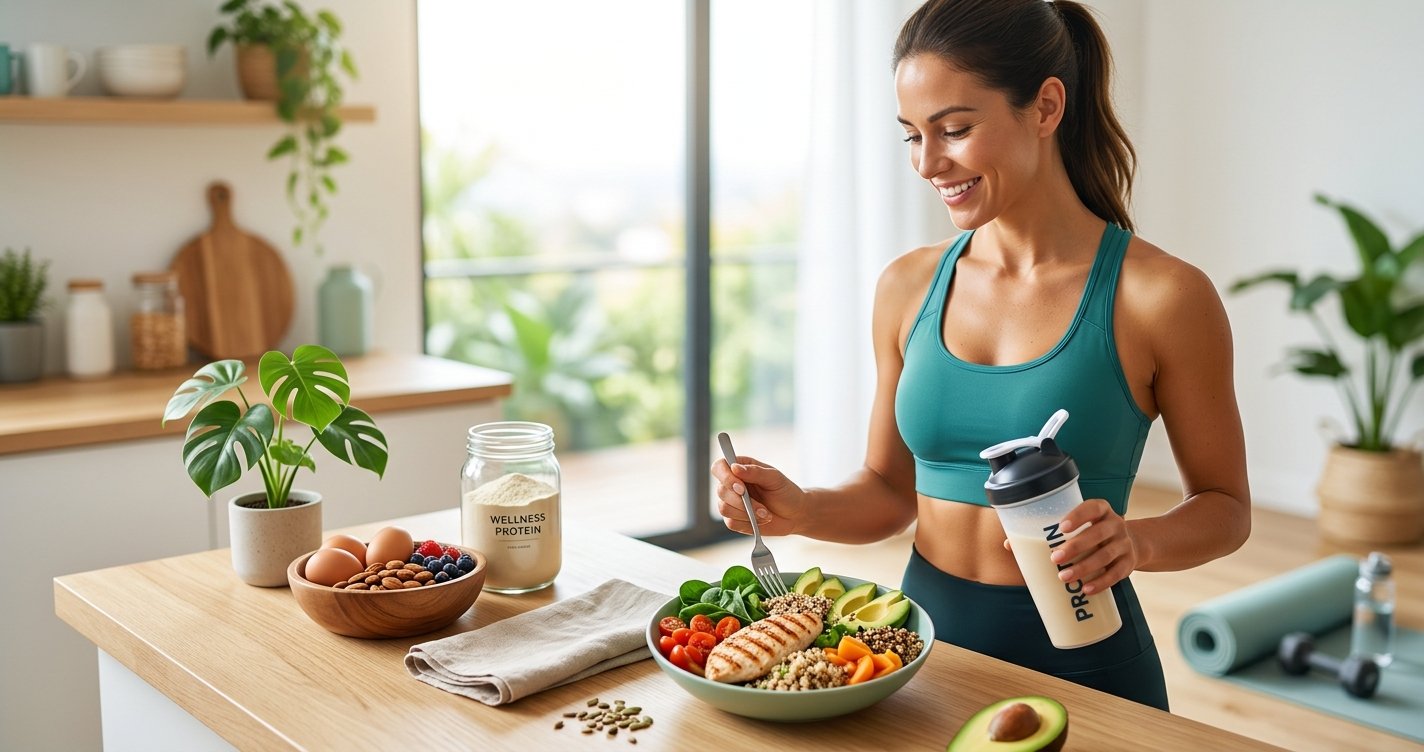
Introduction: Why Fat Loss Feels Like an Uphill Battle (and How Protein Can Help)
Have you ever felt like you're doing everything right for fat loss – cutting calories, hitting the gym – but the scale just won't budge, or worse, you feel constantly hungry and tired? You're not alone. Sustainable fat loss can feel like a complex puzzle, but what if one key piece could make all the difference? That key, my friends, is protein.
Often overshadowed by debates around carbs and fats, protein is the unsung hero of a successful fat loss journey. It's not just for bodybuilders; it's a vital macronutrient that plays a crucial role in helping you feel full, preserve muscle, and even burn more calories. In this friendly, evidence-based guide, we'll dive deep into why protein is your ultimate ally for not just losing fat, but keeping it off for good, all while feeling energized and strong. this excellent wellness product
Why Protein is Your Fat Loss MVP (Most Valuable Player)
Protein isn't just a building block for muscle; it's a metabolic powerhouse that impacts your body in several profound ways, making it indispensable for fat loss.
1. The Satiety Superstar: Keeping Hunger at Bay
One of the biggest challenges in fat loss is managing hunger and cravings. This is where protein shines! Research consistently shows that protein is the most satiating of the three macronutrients (protein, carbs, fats). When you consume protein, it helps release hormones that signal fullness to your brain, reducing your appetite and making it easier to stick to a calorie deficit without feeling deprived.
Imagine eating a high-protein breakfast versus a low-protein one. Which one keeps you feeling satisfied until lunch? Chances are, the protein-rich meal wins every time. This translates to fewer snack attacks and better control over your overall calorie intake throughout the day.
2. The Thermic Effect of Food (TEF): Burning More Calories Just By Eating
Did you know that your body burns calories just to digest and process the food you eat? This is called the Thermic Effect of Food (TEF), and protein has a significantly higher TEF than carbohydrates or fats. While fats have a TEF of 0-3% and carbs 5-10%, protein boasts a TEF of 20-30%! This means that for every 100 calories of protein you consume, your body uses 20-30 calories just to break it down. Over time, this adds up, giving you a small but meaningful metabolic boost that aids in fat loss.
3. Muscle Preservation: Protecting Your Metabolism
When you're in a calorie deficit to lose fat, your body can sometimes break down muscle along with fat. Losing muscle is detrimental because muscle tissue is more metabolically active than fat tissue, meaning it burns more calories at rest. A higher protein intake helps to signal your body to preserve precious muscle mass, especially when combined with resistance training. This ensures that the weight you lose is primarily fat, and your metabolism stays revved up, making long-term weight management much easier.
How Much Protein Do You Really Need? (And Why It's More Than You Think)
The Recommended Dietary Allowance (RDA) for protein is 0.8 grams per kilogram of body weight, but this is a minimum to prevent deficiency, not necessarily optimal for fat loss or active individuals. For those aiming for fat loss, research suggests a higher intake is beneficial.
- General Fat Loss Guideline: Aim for 1.6 to 2.2 grams of protein per kilogram of body weight (or 0.7 to 1.0 grams per pound of body weight).
- Highly Active Individuals or Those with Significant Muscle Mass: May benefit from even higher intakes, up to 2.5 grams per kilogram (1.1 grams per pound).
For example, if you weigh 70 kg (about 154 lbs) and are looking to lose fat, you might aim for 112-154 grams of protein per day. Spreading this intake across 3-5 meals and snacks throughout the day is ideal for maximizing muscle protein synthesis and satiety.
Smart Protein Sources: Fueling Your Body Right
Getting enough protein doesn't have to be bland or boring. There's a vast array of delicious and nutritious sources to choose from:
Lean Animal Sources:
- Chicken & Turkey Breast: Excellent lean protein with minimal fat.
- Lean Beef: Sirloin, tenderloin, or 90%+ lean ground beef.
- Fish: Salmon, tuna, cod, tilapia (also rich in healthy fats like Omega-3s).
- Eggs: Whole eggs are incredibly versatile and nutrient-dense.
- Dairy: Greek yogurt, cottage cheese, milk (great for snacks and post-workout).
Plant-Based Powerhouses:
- Legumes: Lentils, chickpeas, black beans, kidney beans.
- Tofu & Tempeh: Versatile soy products that absorb flavors beautifully.
- Edamame: Perfect for a quick, protein-rich snack.
- Nuts & Seeds: Almonds, peanuts, chia seeds, flax seeds (also provide healthy fats).
- Quinoa: A complete protein grain.
- Seitan: A high-protein wheat gluten product.
Practical Tips for Boosting Your Protein Intake (Without Feeling Overwhelmed)
Incorporating more protein into your diet doesn't require a complete overhaul. Small, consistent changes can make a big difference.
- Prioritize Protein at Every Meal: Aim for 20-40 grams of protein in your breakfast, lunch, and dinner.
- Start Your Day Strong: Instead of sugary cereals, opt for scrambled eggs, Greek yogurt with berries, or a protein smoothie.
- Smart Snacking: Replace chips or cookies with cottage cheese, hard-boiled eggs, a handful of almonds, or beef jerky.
- Build Around Protein: When planning meals, think about your protein source first, then add vegetables and healthy carbs.
- Utilize Leftovers: Cook extra chicken or fish for dinner to use in salads or sandwiches the next day.
- Don't Fear Supplements (When Appropriate): Protein powders (whey, casein, plant-based) can be convenient for busy days or post-workout, but prioritize whole food sources first.
- Experiment with Plant-Based: Explore recipes using lentils, beans, and tofu to diversify your protein sources.
The Protein Myth-Busters: Separating Fact from Fiction
Despite its benefits, protein often gets a bad rap. Let's clear up some common misconceptions:
- "Too much protein is bad for your kidneys." For healthy individuals with normal kidney function, there's no strong evidence that a high-protein diet causes kidney damage. However, if you have pre-existing kidney disease, consult your doctor.
- "Protein makes you bulky." This is a common fear, especially among women. Building significant muscle mass is a challenging process that requires specific training, a caloric surplus, and often, genetic predisposition. Eating adequate protein will support lean muscle development, which is beneficial for metabolism and body composition, not necessarily "bulk."
- "All protein sources are equal." While all protein provides amino acids, some sources are more bioavailable and complete (containing all essential amino acids). Focusing on a variety of both animal and plant-based whole food sources ensures you get a broad spectrum of nutrients.
Beyond Protein: A Holistic Approach to Sustainable Fat Loss
While protein is a powerful tool, remember it's one piece of a larger puzzle. For sustainable fat loss, consider these other crucial factors:
- Calorie Deficit: You still need to consume fewer calories than you burn to lose fat. Protein helps make this deficit easier to manage.
- Strength Training: Lifting weights is essential for preserving and building muscle, which boosts your metabolism.
- Adequate Sleep: Poor sleep can disrupt hunger hormones and make fat loss incredibly challenging. Aim for 7-9 hours per night.
- Hydration: Drinking plenty of water can aid satiety and support overall metabolic function.
- Mindful Eating: Pay attention to your body's hunger and fullness cues, and enjoy your meals without distraction.
Conclusion: Embrace the Power of Protein for a Healthier, Stronger You!
Navigating the world of fat loss can be daunting, but by focusing on the proven power of protein, you can set yourself up for incredible success. From its ability to curb hunger and boost your metabolism to its crucial role in preserving muscle, protein is truly your MVP on this journey.
So, instead of just counting calories, start prioritizing protein. Experiment with new recipes, find your favorite sources, and embrace this fundamental nutrient as a cornerstone of your healthy lifestyle. You'll not only see the results on the scale but feel more energized, satisfied, and stronger than ever before. Here's to a sustainable, empowered approach to fat loss!