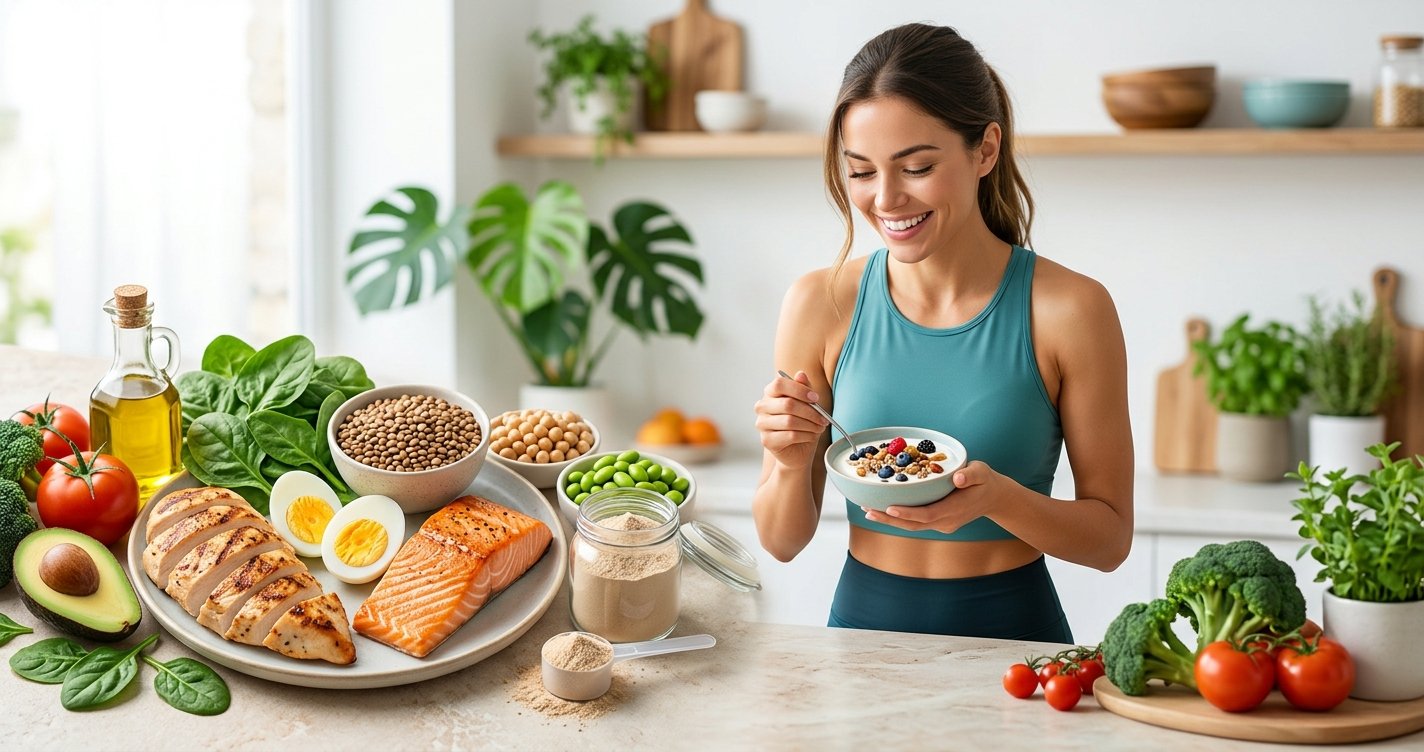
Are you on a quest to shed those stubborn pounds, feel more energetic, and build a body that feels strong and vibrant? If you've ever felt frustrated by diet fads or the endless cycle of losing weight only to gain it back, you're not alone. The journey to sustainable fat loss can feel like a maze, but what if we told you there's a powerful, often overlooked nutrient that can revolutionize your approach?
Enter protein – your unsung hero in the world of fat loss. Often relegated to the realm of bodybuilders and athletes, protein is, in fact, an essential macronutrient for everyone looking to optimize their body composition, boost their metabolism, and achieve lasting results. It's not just about building big muscles; it's about feeling satisfied, preserving lean mass, and turning your body into a more efficient fat-burning machine. Ready to discover why protein is your ultimate ally for a leaner, healthier you? Let's dive into the evidence-based scoop! this excellent wellness product
Why Protein is Your Secret Weapon for Fat Loss (and Not Just for Bodybuilders!)
Forget the notion that protein is only for the gym fanatics. For anyone serious about effective and sustainable fat loss, protein is a game-changer. Here's why:
The Satiety Powerhouse: Feeling Fuller, Longer
One of the biggest challenges in fat loss is managing hunger and cravings. Protein is king when it comes to satiety – the feeling of fullness and satisfaction after eating. Studies consistently show that a higher protein intake helps reduce appetite and makes you feel full for longer compared to meals high in carbs or fats. This means fewer unhealthy snacks, less overeating, and an easier time sticking to your calorie goals without feeling deprived. Imagine going about your day without constant hunger pangs – that’s the power of protein!
Boosting Your Metabolism: The Thermic Effect of Food (TEF)
Did you know that your body expends energy just to digest, absorb, and metabolize the food you eat? This is known as the Thermic Effect of Food (TEF). And guess which macronutrient has the highest TEF? You guessed it – protein! Your body burns significantly more calories digesting protein (20-30% of its caloric content) compared to carbohydrates (5-10%) or fats (0-3%). This means that by simply increasing your protein intake, you're giving your metabolism a small, but consistent, boost throughout the day. It’s like a mini-workout without even moving!
Protecting Your Precious Muscle Mass (Even While Losing Fat!)
When you're in a calorie deficit to lose fat, there's always a risk of losing muscle mass along with fat. This is detrimental because muscle is metabolically active, meaning it burns more calories at rest than fat does. Losing muscle can slow down your metabolism, making future fat loss harder and increasing the likelihood of regaining weight. Protein comes to the rescue here! A higher protein intake, especially when combined with strength training, helps preserve lean muscle mass during a fat loss phase. This ensures that the weight you're losing is primarily fat, keeping your metabolism revved up and your body strong and toned.
How Much Protein Do You REALLY Need? (The Evidence-Based Scoop)
This is where many people get confused. While general dietary guidelines exist, your optimal protein intake for fat loss might be higher than you think.
General Guidelines vs. Individual Needs
For general health, the Recommended Dietary Allowance (RDA) for protein is 0.8 grams per kilogram of body weight (0.36 grams per pound). However, this is simply the minimum to prevent deficiency, not necessarily the optimal amount for fat loss, muscle preservation, or athletic performance.
For individuals looking to lose fat, current research suggests a higher intake. A good starting point often recommended is 1.2 to 1.6 grams of protein per kilogram of body weight (or roughly 0.5 to 0.7 grams per pound). For a person weighing 70kg (154 lbs), this would translate to about 84-112 grams of protein per day.
Active Individuals & Strength Trainers: You Might Need More!
If you're regularly engaging in strength training or intense physical activity, your protein needs increase further. To maximize muscle preservation and recovery during a fat loss phase, some experts recommend aiming for 1.6 to 2.2 grams of protein per kilogram of body weight (or 0.7 to 1.0 grams per pound). Don't worry, this isn't about becoming a bodybuilder; it's about optimizing your body's ability to repair, recover, and maintain strength while shedding fat.
Smart Strategies to Boost Your Protein Intake (Deliciously!)
Now that you know why protein is so important, let's talk about how to easily incorporate more of it into your daily diet.
Prioritize Protein at Every Meal
Don't just add protein; make it the star of your plate. Aim to include a good source of protein in every main meal. This helps distribute your protein intake throughout the day, which is more effective for muscle protein synthesis and satiety than eating one huge protein meal.
- Breakfast: Scrambled eggs, Greek yogurt, cottage cheese, protein smoothie, oatmeal with protein powder.
- Lunch: Chicken breast salad, tuna wrap, lentil soup, leftover lean meat, quinoa bowl with chickpeas.
- Dinner: Grilled salmon, lean steak, turkey chili, tofu stir-fry, chicken and vegetable skewers.
Smart Snacking Choices
Instead of reaching for sugary or carb-heavy snacks, opt for protein-rich alternatives that will keep you full and satisfied until your next meal.
- Hard-boiled eggs
- A handful of almonds or other nuts
- Cottage cheese or plain Greek yogurt
- Beef jerky (low sodium)
- Edamame
- Protein bar (choose wisely, check sugar content!)
Protein Supplements: When and How to Use Them
While whole foods should always be your primary source of nutrients, protein supplements can be a convenient and effective tool to help you meet your daily protein targets, especially if you have high needs or a busy lifestyle.
- Whey Protein: Fast-digesting, great post-workout.
- Casein Protein: Slow-digesting, ideal before bed or for sustained release.
- Plant-Based Proteins (Pea, Rice, Soy, Hemp): Excellent options for vegetarians, vegans, or those with dairy sensitivities.
Mix them into smoothies, water, or milk. Remember, supplements are meant to supplement your diet, not replace whole foods.
Common Protein Myths Debunked
Let's clear up some common misconceptions that might be holding you back from embracing protein's full potential.
"Too Much Protein is Bad for Your Kidneys"
This is a widespread myth. For healthy individuals with normal kidney function, there is no scientific evidence to suggest that a high-protein diet causes kidney damage. While individuals with pre-existing kidney disease do need to monitor their protein intake, for the vast majority of people, consuming adequate protein for fat loss is perfectly safe and beneficial. Always consult your doctor if you have any underlying health conditions.
"Protein Will Make Me Bulky" (Especially for Women)
Many women worry that increasing protein intake will lead to unwanted bulk. This couldn't be further from the truth! Building significant muscle mass is incredibly difficult and requires a very specific training regimen, often combined with a caloric surplus and specific hormonal profiles (which women typically don't have in the same way men do). Protein helps tone and define your muscles by supporting their growth and repair, contributing to a lean, athletic physique – not a bulky one. Embrace protein for a strong, sculpted look!
Putting It All Together: Your Action Plan for Protein-Powered Fat Loss
Ready to put these insights into action? Here’s a simple checklist to kickstart your protein-powered fat loss journey:
- Calculate Your Target: Determine your ideal protein intake (e.g., 1.2-1.6g/kg body weight for fat loss).
- Plan Your Meals: Consciously include a protein source in every main meal.
- Snack Smart: Keep protein-rich snacks handy to ward off hunger.
- Hydrate: Drink plenty of water throughout the day, especially with increased protein intake.
- Lift Weights: Combine your protein strategy with strength training to maximize muscle preservation and fat burning.
- Listen to Your Body: Pay attention to how different foods make you feel and adjust as needed.
Conclusion
Embarking on a fat loss journey can be challenging, but understanding the powerful role of protein can make it significantly smoother and more sustainable. By prioritizing this essential macronutrient, you're not just counting calories; you're actively working with your body to boost satiety, rev up your metabolism, and preserve the lean muscle that keeps you strong and healthy.
It's time to stop fearing protein and start embracing it as your most valuable tool for achieving lasting fat loss, feeling energized, and building the strong, confident body you deserve. Start incorporating more protein into your meals today, and watch your fat loss efforts become more effective, enjoyable, and sustainable than ever before. You've got this!