Are you tired of the endless cycle of restrictive diets, rapid weight loss, and then, inevitably, gaining it all back? You’re not alone. Many traditional fat loss approaches focus solely on calorie restriction, often overlooking a crucial macronutrient that can make all the difference: protein. Imagine a world where you feel fuller for longer, preserve your precious muscle, and genuinely boost your metabolism – all while enjoying delicious food. This isn't a fantasy; it's the power of protein in action.
In this comprehensive guide, we're diving deep into why protein is your ultimate ally for sustainable fat loss. Forget the fads and unsustainable deprivation. We're going to explore the science-backed reasons why prioritizing protein can revolutionize your body composition, boost your energy, and help you achieve lasting results without feeling constantly hungry or deprived. Get ready to transform your approach to fat loss, one protein-packed meal at a time! this excellent wellness product
Why Traditional Diets Often Fail (And How Protein Changes the Game)
Most diets promise quick fixes by drastically cutting calories. While a calorie deficit is essential for fat loss, many approaches neglect the quality of those calories. When you severely restrict food intake without enough protein, your body often starts to break down muscle tissue for energy, not just fat. This is a big problem because muscle is metabolically active – it burns more calories at rest than fat does. Losing muscle means your metabolism slows down, making it harder to lose fat and much easier to regain weight once you stop dieting. This frustrating cycle of weight loss and regain, often called 'yo-yo dieting,' leaves you feeling defeated and can even negatively impact your health.
This is where protein steps in as a game-changer. By prioritizing adequate protein intake, you can create a calorie deficit while simultaneously protecting your muscle mass. This strategy not only helps you lose fat more effectively but also ensures that your metabolism stays robust, paving the way for sustainable, long-term success rather than fleeting results.
The Science-Backed Benefits of Protein for Fat Loss
Protein isn't just for bodybuilders; it's a macronutrient powerhouse with several unique properties that make it incredibly effective for fat loss. Let's explore the science:
Boost Your Metabolism (The Thermic Effect of Food)
Did you know that simply eating food burns calories? This is known as the Thermic Effect of Food (TEF) or diet-induced thermogenesis. Protein has a significantly higher TEF than carbohydrates or fats. This means your body expends more energy digesting, absorbing, and metabolizing protein-rich foods. While carbohydrates have a TEF of 5-10% and fats 0-3%, protein boasts a TEF of 20-30%. In practical terms, for every 100 calories of protein you consume, your body uses 20-30 of those calories just to process it! This metabolic boost, though seemingly small per meal, adds up over the course of a day and week, contributing to a greater overall calorie expenditure and making fat loss more efficient.
Stay Fuller, Longer (Increased Satiety)
One of the biggest challenges in fat loss is battling hunger and cravings. This is where protein shines. Protein is renowned for its ability to promote satiety – the feeling of fullness and satisfaction after a meal. Studies consistently show that high-protein meals lead to greater reductions in appetite and lower subsequent calorie intake compared to meals with less protein. This isn't just a feeling; it's backed by hormonal responses. Protein helps to increase levels of satiety hormones like PYY and GLP-1, while simultaneously reducing levels of ghrelin, the 'hunger hormone.' By keeping you fuller for longer, protein makes it easier to stick to your calorie goals without feeling deprived, reducing the likelihood of snacking on unhealthy foods.
Preserve Precious Muscle (Preventing Metabolic Slowdown)
As mentioned, when you're in a calorie deficit, your body can break down muscle for energy, especially if protein intake is insufficient. This is detrimental to fat loss goals because muscle is your metabolic engine. A higher muscle mass means a higher resting metabolic rate (RMR), meaning you burn more calories even when you're just sitting around. Consuming adequate protein during a fat loss phase signals to your body that it should preserve muscle tissue, even as it taps into fat stores for energy. This muscle-sparing effect is critical for maintaining a robust metabolism and ensuring that the weight you lose is primarily fat, not valuable muscle.
Enhanced Recovery and Strength Gains
If you're combining your fat loss efforts with exercise, especially strength training (which you absolutely should be!), protein becomes even more vital. Protein provides the amino acids, the building blocks your muscles need to repair and grow after a workout. Consuming enough protein post-exercise aids in muscle recovery, reduces muscle soreness, and supports strength adaptations. Stronger muscles not only look good but also contribute to a higher metabolic rate, creating a virtuous cycle where exercise and protein work together to accelerate fat loss and improve overall body composition.
How Much Protein Do You Really Need for Fat Loss?
The general dietary reference intake (DRI) for protein is 0.8 grams per kilogram of body weight (0.36 grams per pound), but this is merely a baseline to prevent deficiency, not optimize for fat loss or muscle preservation. For those actively trying to lose fat, the recommendations are significantly higher.
General Guidelines vs. Individual Needs
For optimal fat loss and muscle preservation, most research suggests aiming for a daily protein intake between 1.6 to 2.2 grams of protein per kilogram of body weight (or roughly 0.7 to 1 gram per pound of body weight). For example, if you weigh 70 kg (about 154 lbs), you'd aim for 112-154 grams of protein per day. This range provides a good balance for satiety, muscle preservation, and metabolic benefits during a calorie deficit.
Individual needs can vary based on activity level, age, and current body composition. Highly active individuals or those with significant muscle mass might benefit from the higher end of this range. If you're unsure, starting in the middle and adjusting based on how you feel and your progress is a great strategy.
Spreading It Out: The Importance of Distribution
It's not just about your daily total; how you distribute your protein throughout the day also matters. Aim to include a significant source of protein in every meal, and ideally, in your snacks too. Spreading your protein intake evenly (e.g., 25-40 grams per meal) helps maximize muscle protein synthesis, keeps you feeling fuller for longer, and prevents large spikes and drops in hunger. Don't save all your protein for dinner; kickstart your day with a protein-rich breakfast!
Delicious & Practical Ways to Boost Your Protein Intake
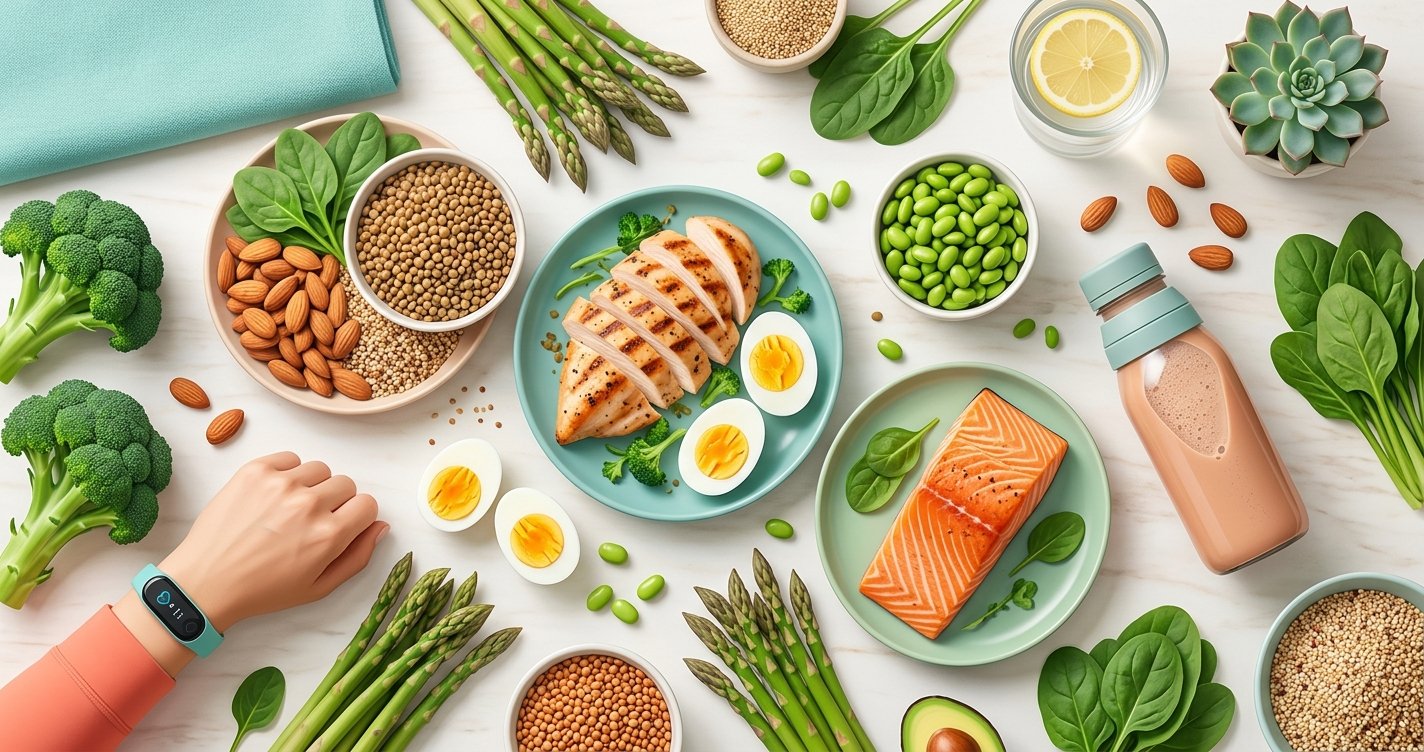
Incorporating more protein into your diet doesn't have to be bland or complicated. Here are some fantastic, accessible sources:
Lean Meats & Poultry
Chicken breast, turkey, lean beef cuts (sirloin, round), and pork loin are excellent sources of complete protein, rich in essential amino acids. They are versatile and can be cooked in countless ways.
Fish & Seafood
Salmon, tuna, cod, shrimp, and tilapia are not only packed with protein but often provide beneficial omega-3 fatty acids. Aim for at least two servings of fish per week.
Dairy & Eggs
Greek yogurt (especially plain, high-protein varieties), cottage cheese, and eggs are incredibly versatile and budget-friendly. Eggs are a complete protein source, and Greek yogurt offers probiotics for gut health.
Plant-Based Powerhouses
If you're vegetarian or vegan, or simply looking to diversify, fear not! Lentils, black beans, chickpeas, tofu, tempeh, edamame, and quinoa are fantastic plant-based protein sources. Combining different plant proteins throughout the day ensures you get all essential amino acids.
Protein Supplements (When & How)
While whole foods should always be your primary source, protein powders (whey, casein, soy, pea, rice) can be a convenient way to hit your daily protein targets, especially post-workout or when you're short on time. They are not magic pills but effective tools to supplement your diet. Look for options with minimal added sugars and artificial ingredients.
Integrating Protein with a Holistic Fat Loss Strategy
While protein is a superstar, it works best as part of a well-rounded approach to fat loss. Think of it as a crucial pillar supporting a sturdy structure:
Pair with Strength Training
The synergy between adequate protein intake and regular strength training is unmatched for body composition goals. Strength training builds and maintains muscle, and protein provides the fuel for that process. This combination maximizes fat loss while sculpting your physique.
Prioritize Whole Foods
Focus on a diet rich in whole, unprocessed foods. Alongside your protein, ensure you're getting plenty of fiber from fruits, vegetables, and whole grains, and healthy fats from avocados, nuts, and olive oil. These provide essential vitamins, minerals, and antioxidants.
Hydration and Sleep
Don't underestimate the power of these fundamental habits. Adequate water intake supports metabolism and can help manage hunger. Quality sleep (7-9 hours) is crucial for hormone regulation, including those that impact appetite and fat storage. Neglecting sleep can sabotage even the best diet and exercise plans.
Mindful Eating
Pay attention to your body's hunger and fullness cues. Eat slowly, savor your meals, and avoid distractions. Mindful eating can help you recognize when you're truly satisfied, reducing the likelihood of overeating, even with protein-rich meals.
Busting Common Protein Myths
Let's quickly address some common misconceptions about protein:
- Myth: Too much protein is bad for your kidneys. For healthy individuals, research shows that high protein intake does not harm kidney function. Consult a doctor if you have pre-existing kidney conditions.
- Myth: Protein will make women 'bulky.' Building significant muscle mass is very difficult for women due to lower testosterone levels. Protein will help you tone and lean out, not bulk up excessively.
- Myth: All protein sources are equal. While many provide protein, some are more complete (containing all essential amino acids) and nutrient-dense than others. Focus on a variety of high-quality sources.
Your Journey to Sustainable Fat Loss Starts Now
Embracing protein as a cornerstone of your fat loss strategy is one of the most effective and sustainable changes you can make. By understanding its scientific benefits – from boosting metabolism and increasing satiety to preserving muscle – you're no longer just 'dieting'; you're nourishing your body for lasting change. This isn't about deprivation; it's about empowerment through smart, evidence-based nutrition.
Start small. Add an extra serving of protein to your breakfast, choose lean protein for lunch, and experiment with new protein-rich snacks. Combine this with regular movement, good sleep, and hydration, and you'll be well on your way to achieving your fat loss goals in a way that feels good, is sustainable, and truly transforms your relationship with food and your body. You've got this!