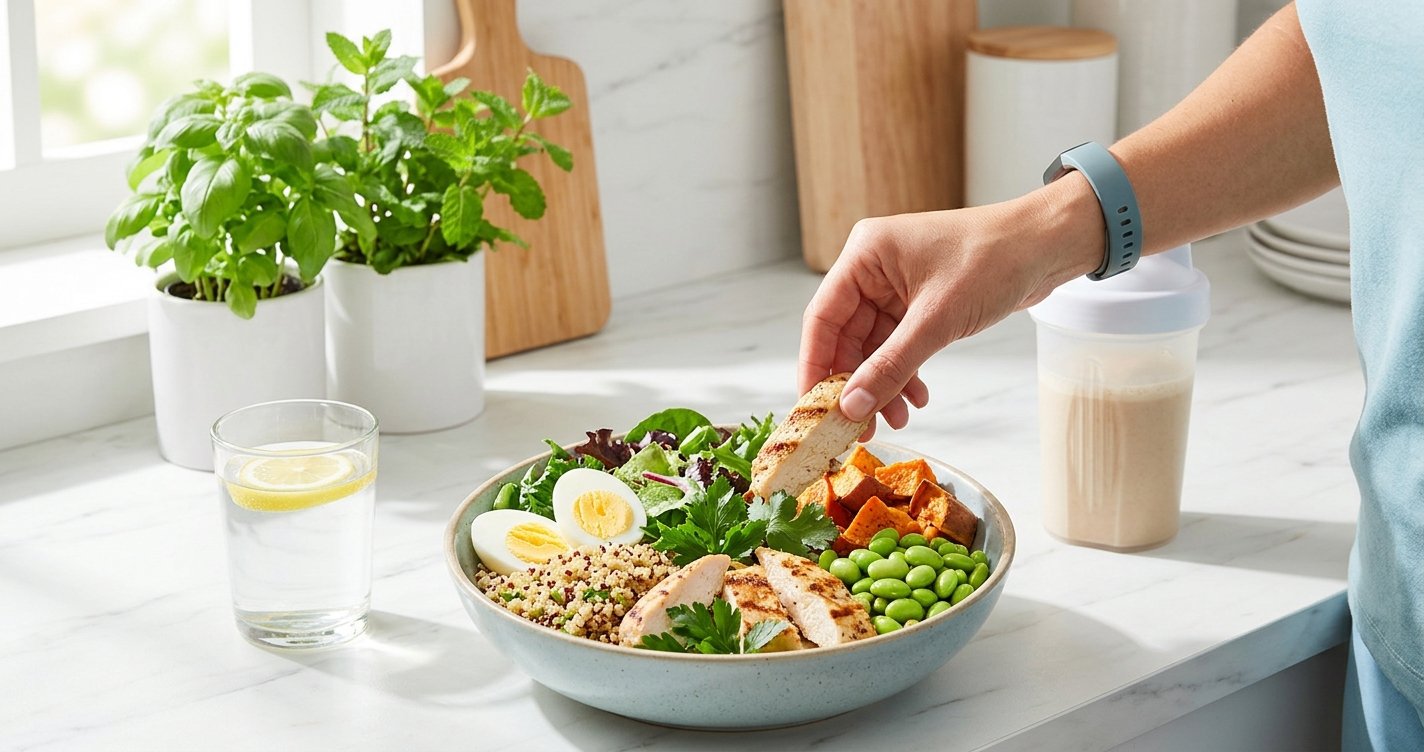
Unlock Sustainable Fat Loss: The Power of Protein You Can't Ignore
Are you on a fat loss journey, meticulously counting calories, hitting the gym, but still feeling like something's missing? Perhaps you're constantly battling hunger, struggling to maintain your hard-earned muscle, or finding it hard to stick to your plan long-term. If this sounds familiar, it's time to shine a spotlight on your secret weapon for sustainable fat loss: protein.
Often relegated to just 'muscle building' or 'bodybuilder food,' protein's role in a successful fat loss strategy is vastly underestimated. It’s not just about lifting weights; it’s about fueling your body intelligently to burn fat, preserve muscle, and keep you feeling satisfied. In this friendly, evidence-based guide, we'll dive deep into why protein is your ultimate ally for achieving lasting fat loss, along with practical tips to optimize your intake. this excellent wellness product
Why Protein is Your Fat Loss MVP (Most Valuable Player)
Let's break down the science behind why protein isn't just good, but essential, for shedding fat and keeping it off.
1. The Satiety Superstar: Curbing Cravings and Hunger
One of the biggest challenges in any fat loss journey is managing hunger. When you're in a calorie deficit, your body naturally signals for more food. This is where protein steps in! Numerous studies show that protein is the most satiating macronutrient. It helps you feel fuller for longer, reducing the urge to snack unnecessarily and making it easier to stick to your calorie goals.
- How it works: Protein influences hormones like ghrelin (the hunger hormone) and GLP-1 and PYY (satiety hormones), helping to regulate your appetite more effectively.
2. The Metabolic Booster: Thermic Effect of Food (TEF)
Did you know your body expends energy just to digest and metabolize the food you eat? This is called the Thermic Effect of Food (TEF), and protein has the highest TEF compared to carbohydrates and fats. Roughly 20-30% of the calories from protein are burned off during digestion, compared to 5-10% for carbs and 0-3% for fats. This means a high-protein diet can slightly increase your daily calorie expenditure, giving you an edge in your fat loss efforts.
3. The Muscle Protector: Preserving Lean Mass
When you're in a calorie deficit, your body doesn't just burn fat; it can also break down muscle for energy. This is problematic because muscle tissue is metabolically active – it burns more calories at rest than fat tissue. Losing muscle can slow down your metabolism, making future fat loss harder and increasing the likelihood of weight regain. Adequate protein intake, especially when combined with strength training, signals to your body to preserve precious muscle mass, ensuring that the weight you lose is primarily fat.
How Much Protein Do You *Really* Need for Fat Loss?
This is a common question, and the answer isn't a one-size-fits-all. While the Recommended Dietary Allowance (RDA) for protein is 0.8 grams per kilogram (g/kg) of body weight, this is generally considered the minimum to prevent deficiency, not necessarily optimal for fat loss or active individuals.
For sustainable fat loss and muscle preservation, research suggests a higher intake. A good starting point is:
- 1.6 to 2.2 grams of protein per kilogram of body weight (0.7 to 1 gram per pound of body weight) per day.
For example, if you weigh 70 kg (approx. 154 lbs), aiming for 112-154 grams of protein per day would be beneficial. If you are very active, have a higher body fat percentage, or are older, you might lean towards the higher end of this range. Don't be afraid to experiment slightly to find what works best for your body and keeps you feeling satiated.
Debunking a Myth: Is Too Much Protein Bad for Your Kidneys?
For healthy individuals with no pre-existing kidney conditions, there's a vast body of evidence suggesting that a high-protein diet (within reasonable limits, e.g., up to 2.2 g/kg) is safe and does not harm kidney function. Always consult with a healthcare professional if you have any underlying health concerns.
Smart Strategies to Boost Your Protein Intake
Now that you know why protein is so important, let's look at how to practically increase your intake without feeling overwhelmed.
1. Prioritize Protein at Every Meal
Instead of making protein an afterthought, build your meals around it. Aim for a substantial source of protein in your breakfast, lunch, and dinner.
2. Choose Lean, High-Quality Protein Sources
Focus on nutrient-dense options that provide essential amino acids without excessive saturated fat or calories.
- Animal Sources: Chicken breast, turkey, lean beef, fish (salmon, tuna, cod), eggs, Greek yogurt, cottage cheese, whey protein.
- Plant-Based Sources: Tofu, tempeh, edamame, lentils, beans, chickpeas, quinoa, seitan, plant-based protein powders (pea, soy, rice).
3. Snack Smartly
Instead of reaching for sugary or carb-heavy snacks, opt for protein-rich alternatives to keep hunger at bay between meals.
- Hard-boiled eggs
- Greek yogurt with a few berries
- A handful of almonds or walnuts
- Cottage cheese
- Protein bar (check sugar content)
- Jerky or biltong (low sodium)
4. Don't Fear Protein Powders (When Used Strategically)
Protein powders are supplements, not meal replacements. They can be incredibly convenient for boosting your intake, especially if you have high protein targets or are on the go. Add them to smoothies, oatmeal, or simply mix with water/milk.
Sample High-Protein Meal Ideas for a Day
Here’s a quick idea of how you might structure a high-protein day:
- Breakfast: Scrambled eggs (3-4) with spinach and a side of Greek yogurt.
- Lunch: Large salad with grilled chicken breast (150-200g) or canned tuna/chickpeas.
- Snack: Cottage cheese with a few cherry tomatoes or a small handful of nuts.
- Dinner: Baked salmon (150g) with roasted vegetables and a small portion of quinoa.
- Optional Post-Workout/Evening Snack: Protein shake or a small bowl of Greek yogurt.
Common Protein Pitfalls to Avoid
Even with the best intentions, it's easy to fall into traps. Here are a few to watch out for:
- Not tracking your intake: Guessing can lead to under-consuming. Use a food tracking app for a few days to get an accurate picture.
- Relying solely on supplements: Whole foods should always be your primary source of nutrition. Supplements are there to complement your diet, not replace it.
- Ignoring quality: A greasy burger might have protein, but it also comes with extra calories and unhealthy fats. Focus on lean, unprocessed sources.
- Forgetting fiber and vegetables: While protein is key, a balanced diet with plenty of fiber-rich vegetables is essential for overall health and satiety.
Putting It All Together: Your Action Plan for Sustainable Fat Loss
Optimizing your protein intake is a powerful, evidence-based strategy for achieving sustainable fat loss. It's not a magic bullet, but it's a fundamental pillar that supports your efforts in multiple ways.
- Calculate Your Target: Aim for 1.6-2.2 g/kg (0.7-1 g/lb) of body weight.
- Prioritize Protein: Make it the centerpiece of every meal.
- Choose Wisely: Opt for lean, high-quality protein sources.
- Snack Smart: Replace empty calories with protein-rich snacks.
- Stay Hydrated: Water is crucial for metabolic processes and satiety.
- Combine with Strength Training: Maximize muscle preservation and metabolism.
- Be Patient and Consistent: Sustainable fat loss is a marathon, not a sprint.
Conclusion
Embarking on a fat loss journey can feel daunting, but by understanding and harnessing the power of protein, you can make the process significantly more effective, enjoyable, and sustainable. You'll feel fuller, preserve your metabolism-boosting muscle, and make smarter food choices naturally. So, go ahead, embrace protein as your fat loss MVP, and watch as your body transforms, not just in size, but in strength and vitality. You've got this!