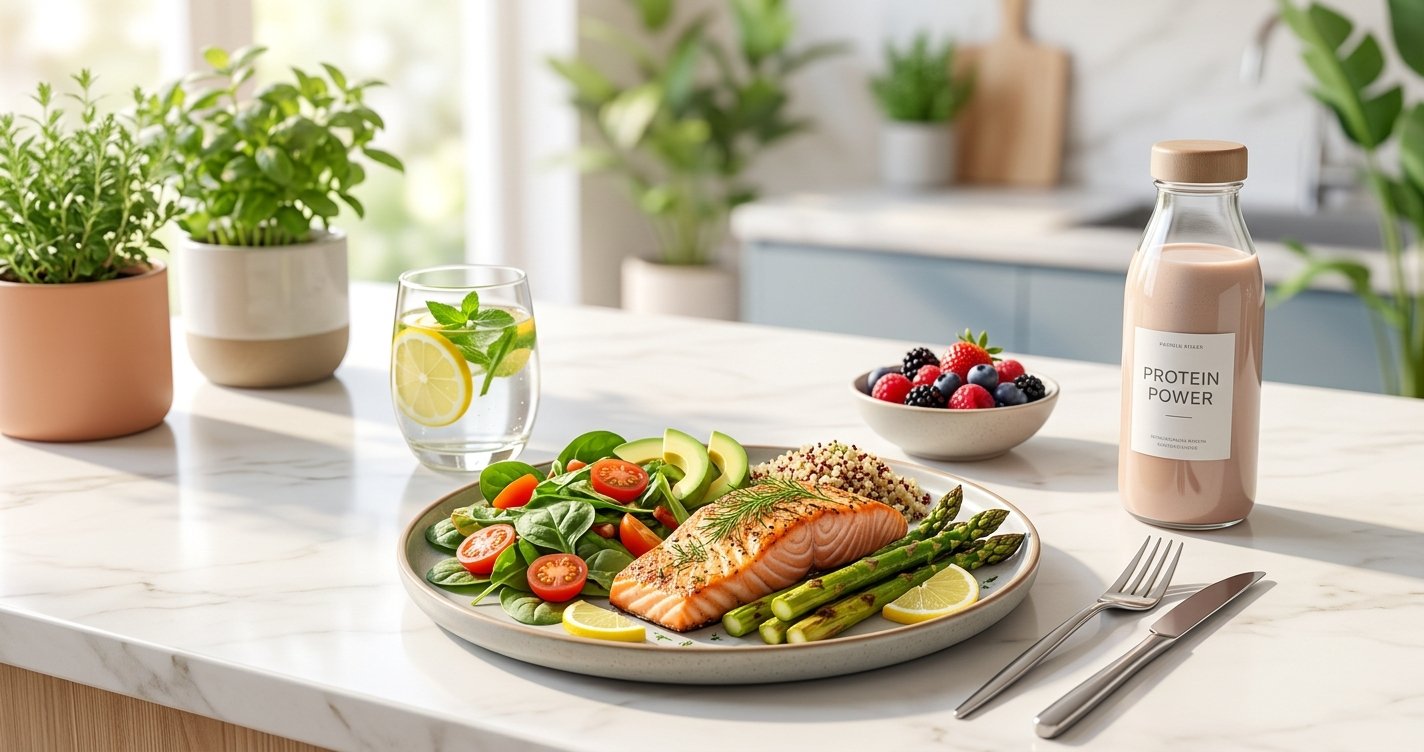
Are you on a quest for fat loss, but finding the journey frustrating? You’ve tried various diets, cut calories, maybe even ramped up your cardio, yet the results are fleeting, or worse, you feel constantly hungry and tired. If this sounds familiar, it's time to introduce you to your secret weapon: protein. Often overshadowed by discussions around carbs and fats, protein is a powerhouse macronutrient that plays a critical, often underestimated, role in achieving and maintaining sustainable fat loss.
This isn't just about building big muscles; it's about optimizing your body's natural fat-burning capabilities, controlling your appetite, and preserving the lean muscle that keeps your metabolism humming. In this comprehensive guide, we'll dive deep into the science-backed reasons why protein is indispensable for your fat loss journey, offer practical strategies to seamlessly integrate more of it into your diet, and help you unlock a leaner, more energized you – without feeling deprived. this excellent wellness product
Why Protein Reigns Supreme for Fat Loss
When it comes to shedding unwanted body fat, not all calories are created equal. Protein stands out from carbohydrates and fats due to its unique physiological effects that directly support your fat loss goals. Let's explore the key reasons why this macronutrient is a non-negotiable part of any effective fat loss strategy.
The Thermic Effect of Food (TEF): Burn More Calories Just by Eating!
Imagine burning more calories simply by digesting your food. That's the magic of the Thermic Effect of Food (TEF), also known as dietary induced thermogenesis. Every time you eat, your body expends energy to process, digest, absorb, and store the nutrients. Protein has the highest TEF of all macronutrients.
- Protein: 20-30% of its ingested calories are burned during digestion.
- Carbohydrates: 5-10%
- Fats: 0-3%
What does this mean for fat loss? If you eat 100 calories of protein, your body might use 20-30 of those calories just to process it, leaving fewer net calories. Compare that to 100 calories of fat, where almost all of it is available for energy or storage. By increasing your protein intake, you're essentially giving your metabolism a gentle, continuous boost throughout the day, helping you achieve a calorie deficit more easily.
Satiety & Appetite Control: Stay Full, Curb Cravings
One of the biggest challenges in fat loss is battling hunger and cravings. This is where protein truly shines. Protein is incredibly satiating, meaning it helps you feel fuller for longer periods compared to carbohydrates or fats. This isn't just a feeling; it's a scientifically proven effect involving several mechanisms:
- Hormonal Regulation: Protein influences the release of gut hormones like GLP-1 and CCK, which signal fullness to your brain, and suppresses ghrelin, the 'hunger hormone.'
- Reduced Snacking: When you feel satisfied after meals, you're less likely to reach for unhealthy snacks between meals, naturally reducing your overall calorie intake.
- Stabilized Blood Sugar: Unlike refined carbohydrates that can cause rapid spikes and crashes in blood sugar, protein helps stabilize these levels, preventing the energy dips that often trigger cravings for sugary foods.
By incorporating adequate protein into each meal, you create a powerful defense against overeating, making adherence to a calorie-controlled diet much more manageable and enjoyable.
Preserve Muscle, Lose Fat: The Body Composition Advantage
When you embark on a fat loss journey, the goal isn't just to see a lower number on the scale; it's to improve your body composition – meaning losing fat while preserving or even building muscle. Losing muscle mass during a diet is a common pitfall that can sabotage your long-term success, and this is where protein plays a heroic role.
Why Muscle Matters for Metabolism
Muscle tissue is metabolically active, meaning it burns more calories at rest than fat tissue does. If you lose muscle along with fat, your resting metabolic rate (RMR) decreases, making it harder to maintain weight loss and easier to regain fat in the future – a frustrating cycle many experience. This is often referred to as becoming 'skinny fat,' where you might weigh less but still have a high body fat percentage.
Protein as a Muscle Shield During Calorie Deficit
When you're in a calorie deficit (eating fewer calories than you burn), your body needs an alternative energy source. Without enough dietary protein, your body may start breaking down its own muscle tissue to get the amino acids it needs. Adequate protein intake, especially when combined with resistance training, signals to your body to prioritize burning fat for fuel while sparing your precious muscle mass. This ensures that the weight you lose is predominantly fat, leading to a leaner physique and a more robust metabolism that supports sustainable results.
Practical Strategies: How to Boost Your Protein Intake
Understanding the 'why' is crucial, but knowing the 'how' is what truly drives results. Integrating more protein into your daily diet doesn't have to be complicated or bland. Here are practical, actionable strategies to boost your protein intake effectively.
Calculate Your Needs: How Much Protein Do You Really Need?
While individual needs vary, a general guideline for fat loss is higher than the standard recommended daily allowance. For active individuals aiming for fat loss while preserving muscle, a common recommendation is:
- 1.6 to 2.2 grams of protein per kilogram of body weight (or 0.7 to 1.0 gram per pound of body weight) per day.
For example, a person weighing 70 kg (approx. 154 lbs) might aim for 112 to 154 grams of protein per day. Spreading this intake evenly across 3-5 meals throughout the day is ideal for maximizing muscle protein synthesis and satiety. Consider consulting a dietitian or nutritionist for personalized guidance.
Power-Packed Meal Ideas & Snacks
Making protein a priority at every meal and snack is key. Focus on whole, minimally processed protein sources. Here are some ideas:
- Breakfast: Scrambled eggs (3-4 large eggs = ~18-24g), Greek yogurt (1 cup = ~15-20g), cottage cheese, a protein smoothie with whey or plant-based protein powder.
- Lunch & Dinner: Lean meats like chicken breast, turkey, lean beef, fish (salmon, tuna, cod), tofu, tempeh, lentils, beans, edamame. Aim for a palm-sized portion or more of protein at each main meal.
- Snacks: A handful of almonds or walnuts (in moderation due to calorie density), hard-boiled eggs, a small container of Greek yogurt, a protein bar (check sugar content), jerky (low sugar), a scoop of protein powder mixed with water or milk.
Don't be afraid to get creative! Add chicken to your salad, lentils to your soup, or protein powder to your oatmeal.
Common Pitfalls & How to Avoid Them
While protein is a powerful tool, it's not a magic bullet. To truly leverage its benefits for sustainable fat loss, it's important to avoid common mistakes.
- Neglecting Overall Calorie Deficit: Protein aids fat loss by boosting metabolism and satiety, but you still need to be in a calorie deficit to lose fat. Eating excessive amounts of protein, especially from high-fat sources, can still lead to a calorie surplus.
- Over-reliance on Supplements: Protein supplements (powders, bars) can be convenient, but they should complement, not replace, whole food sources. Prioritize nutrient-dense whole foods for vitamins, minerals, and fiber.
- Ignoring Other Macronutrients and Micronutrients: While protein is paramount, don't forget healthy fats and complex carbohydrates. They provide essential energy, fiber, and micronutrients crucial for overall health and sustained energy levels. A balanced diet is always the best approach.
- Lack of Variety: Sticking to the same few protein sources can lead to nutrient deficiencies and dietary boredom. Explore different types of lean meats, fish, dairy, and plant-based proteins to keep things interesting and ensure a broad spectrum of nutrients.
Beyond the Plate: Protein's Role in a Holistic Fat Loss Journey
Sustainable fat loss is about more than just food; it's a holistic endeavor. While protein is a cornerstone, it works best when integrated into a lifestyle that supports overall well-being. Consider how protein interacts with other vital aspects of your health:
- Exercise Synergy: Protein intake is most effective for muscle preservation and growth when combined with regular resistance training. Lifting weights creates the stimulus for muscle repair and growth, and protein provides the building blocks.
- Sleep Quality: Adequate protein contributes to better sleep by providing tryptophan, an amino acid precursor to serotonin and melatonin. Good sleep, in turn, helps regulate hunger hormones (ghrelin and leptin) and reduces stress, both of which impact fat loss.
- Stress Management: Chronic stress can elevate cortisol levels, which can promote fat storage, especially around the midsection. While protein doesn't directly reduce stress, a well-nourished body is better equipped to handle stressors, and consistent healthy eating patterns can be a form of self-care.
- Hydration: Ensuring you drink enough water throughout the day is crucial for digestion, nutrient absorption, and can also help manage appetite, complementing protein's satiety benefits.
- Consistency and Patience: Fat loss is a marathon, not a sprint. Consistently hitting your protein targets, even on busy days, will yield far greater results than sporadic efforts. Be patient with your body and celebrate small victories along the way.
Embrace the Power of Protein for Lasting Change
You now understand why protein is far more than just a muscle builder. It's a fundamental pillar for anyone seeking sustainable fat loss, offering unmatched benefits for metabolism, satiety, and body composition. By prioritizing protein, you're not just dieting; you're optimizing your body's physiology to work with you, not against you.
Starting today, make a conscious effort to include a quality protein source in every meal and snack. Experiment with new recipes, explore different protein types, and observe how your energy levels, hunger, and progress transform. Remember, fat loss doesn't have to be a battle of willpower. With protein as your ally, you can achieve your goals feeling satisfied, energized, and empowered to maintain your healthier, leaner physique for the long haul. Your journey to sustainable fat loss starts now – fuel it with protein!