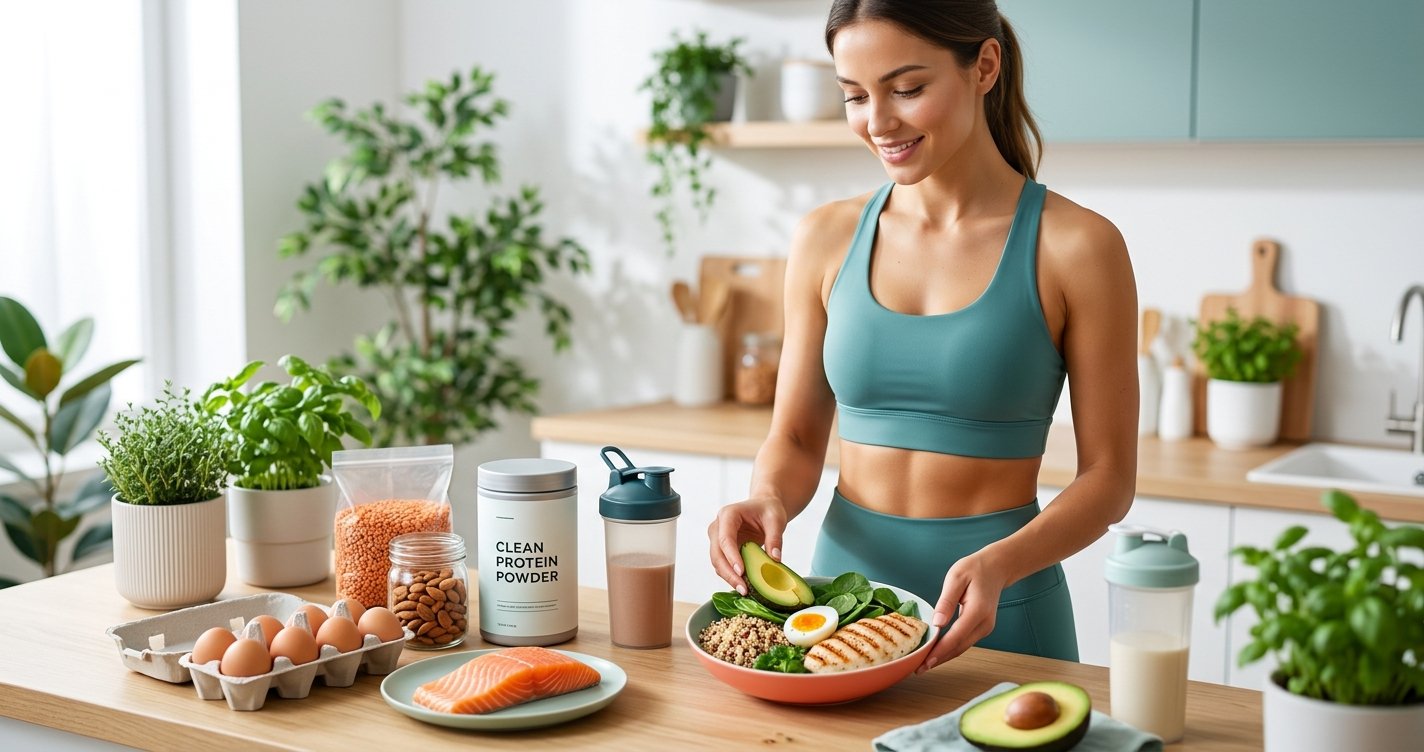
Protein for Sustainable Fat Loss: Your Ultimate Guide to Boosting Metabolism and Preserving Muscle
Are you on a fat loss journey, feeling constantly hungry, or frustrated by plateaus? What if we told you there’s a powerful ally that can make a significant difference, keeping you fuller, boosting your metabolism, and protecting your precious muscle? That ally is protein!
Often overlooked as just a 'bodybuilding nutrient,' protein is, in fact, an absolute powerhouse for anyone looking to shed unwanted fat sustainably. It's not just about building big muscles; it's about optimizing your body's natural fat-burning capabilities. In this comprehensive, evidence-based guide, we'll dive deep into why protein is your secret weapon for effective fat loss, how much you truly need, and practical ways to effortlessly incorporate more of it into your daily life. Let's unlock your fat loss potential together! this excellent wellness product
Why Protein Reigns Supreme for Fat Loss (The Science Behind It)
Protein isn't just a macronutrient; it's a metabolic marvel. Its unique properties make it incredibly effective for fat loss, setting it apart from carbohydrates and fats.
The Thermic Effect of Food (TEF): Burn More Calories Just By Eating
Imagine your body as a furnace. When you eat, your body expends energy to digest, absorb, and process the nutrients. This is known as the Thermic Effect of Food (TEF). Protein has a significantly higher TEF than carbs or fats. Roughly 20-30% of the calories from protein are burned off during digestion, compared to 5-10% for carbs and a mere 0-3% for fats. This means that by simply choosing protein-rich foods, you're naturally increasing your daily calorie expenditure!
Satiety Superpower: Stay Fuller, Longer
One of the biggest challenges in fat loss is managing hunger and cravings. This is where protein truly shines. Protein is renowned for its ability to promote satiety – that feeling of fullness and satisfaction – far more effectively than other macronutrients. It triggers the release of hormones like GLP-1 and PYY, which signal to your brain that you're full, while simultaneously reducing levels of ghrelin, the 'hunger hormone.'
This means you'll feel satisfied for longer after protein-rich meals, reducing the urge to snack unnecessarily and naturally leading to a lower overall calorie intake without feeling deprived. It's a game-changer for adhering to a calorie deficit!
Muscle Preservation: Your Metabolic Engine
When you're in a calorie deficit to lose fat, your body can sometimes break down muscle tissue for energy, not just fat. This is detrimental because muscle is metabolically active – it burns more calories at rest than fat does. Losing muscle means a slower metabolism, making sustained fat loss even harder.
Protein is crucial for preventing this muscle loss. By providing the essential amino acids your body needs, a high protein intake helps preserve lean muscle mass, ensuring that the weight you're losing is primarily fat. This keeps your metabolism humming along, making your fat loss journey more efficient and sustainable in the long run.
How Much Protein Do You Really Need? (Evidence-Based Recommendations)
So, you're convinced protein is key, but how much should you actually be eating? While individual needs can vary, scientific research provides clear guidelines for optimal fat loss and muscle preservation, especially for active individuals.
- General Guideline: For most active adults aiming for fat loss, a range of 1.6 to 2.2 grams of protein per kilogram of body weight per day is highly effective.
- In Pounds: If you prefer pounds, this translates to roughly 0.7 to 1 gram of protein per pound of your target body weight or lean body mass.
For example, if you weigh 70 kg (about 154 lbs) and are active, you might aim for 112-154 grams of protein daily. If you're very active or significantly restricting calories, you might even lean towards the higher end of this range to maximize muscle preservation and satiety.
You might have heard concerns about 'too much protein' being bad for your kidneys. For healthy individuals with normal kidney function, these concerns are largely unfounded within typical dietary ranges. Always consult with a healthcare professional if you have pre-existing kidney conditions.
Smart Protein Sources: Quality Over Quantity
Not all protein is created equal! While the quantity matters, the quality of your protein sources can also impact your results. Focus on whole, minimally processed foods whenever possible.
Animal-Based Powerhouses
- Lean Meats: Chicken breast, turkey, lean cuts of beef (sirloin, round), pork loin.
- Fish: Salmon (rich in omega-3s!), cod, tuna, tilapia.
- Eggs: A complete protein, versatile, and affordable.
- Dairy: Greek yogurt (especially high in protein), cottage cheese, milk, kefir.
Plant-Based Protein Heroes
- Legumes: Lentils, chickpeas, black beans, kidney beans.
- Soy Products: Tofu, tempeh, edamame.
- Grains & Seeds: Quinoa, hemp seeds, chia seeds, pumpkin seeds.
- Nuts: Almonds, peanuts (and peanut butter), walnuts.
Combining different plant-based protein sources throughout the day can ensure you get all essential amino acids.
When Supplements Can Help
Protein supplements like whey, casein, or plant-based powders can be a convenient way to boost your intake, especially post-workout or when you're short on time. They are not essential, but they can be a helpful tool to reach your daily protein goals if whole foods aren't always feasible.
Practical Strategies to Boost Your Protein Intake
Knowing you need more protein is one thing; actually getting it into your diet is another! Here are some actionable strategies to effortlessly increase your protein intake throughout the day:
Make Protein a Priority at Every Meal
- Breakfast: Start strong! Instead of sugary cereals, opt for scrambled eggs, Greek yogurt with berries, a protein smoothie, or cottage cheese.
- Lunch & Dinner: Ensure a generous portion of lean protein is the centerpiece of your plate. Think grilled chicken salad, fish with roasted vegetables, or a lentil stew.
Smart Snacking
Replace carb-heavy snacks with protein-rich alternatives to curb hunger between meals.
- Hard-boiled eggs
- Cheese sticks or a handful of nuts
- Greek yogurt
- Jerky (check for low sugar options)
- Protein bar (choose wisely, look for low sugar/high protein)
Plan Ahead (Meal Prep)
Cooking in batches can save you a lot of time and effort. Grill a large batch of chicken breasts or bake some salmon fillets at the beginning of the week. Cook a big pot of lentils or quinoa. Having ready-to-eat protein sources makes healthy eating a breeze.
Don't Forget Breakfast!
Many people skimp on protein at breakfast, setting themselves up for hunger later in the day. Prioritizing protein in your first meal can significantly improve satiety and reduce overall calorie intake throughout the day.
Protein and Beyond: A Holistic Approach to Fat Loss
While protein is an incredibly powerful tool, it's important to remember that it's part of a larger picture. Sustainable fat loss is achieved through a holistic approach that includes several key pillars:
The Calorie Deficit Foundation
Ultimately, to lose fat, you need to consume fewer calories than your body burns. Protein helps you achieve this deficit more comfortably due to its satiety and TEF benefits, but the overall energy balance is still fundamental.
Strength Training is Your Best Friend
Pairing a high-protein diet with regular strength training is a match made in fat loss heaven. Resistance training not only builds new muscle but also helps preserve existing muscle during a calorie deficit, further boosting your metabolism and improving body composition.
Prioritize Sleep and Manage Stress
Inadequate sleep and chronic stress can wreak havoc on your hormones, increasing cortisol and ghrelin (hunger hormone), making fat loss incredibly difficult. Aim for 7-9 hours of quality sleep and find healthy ways to manage stress.
Hydration is Key
Don't underestimate the power of water! Staying well-hydrated supports metabolism, helps with satiety (sometimes thirst is mistaken for hunger), and aids in overall bodily functions crucial for fat loss.
Embrace Protein, Transform Your Fat Loss Journey!
You now have the knowledge and tools to harness the incredible power of protein for sustainable fat loss. By prioritizing protein, you'll feel fuller, burn more calories, protect your hard-earned muscle, and set yourself up for long-term success. Remember, small, consistent changes lead to significant results.
Ready to make protein your fat loss MVP? Start incorporating these tips today and watch your body transform!