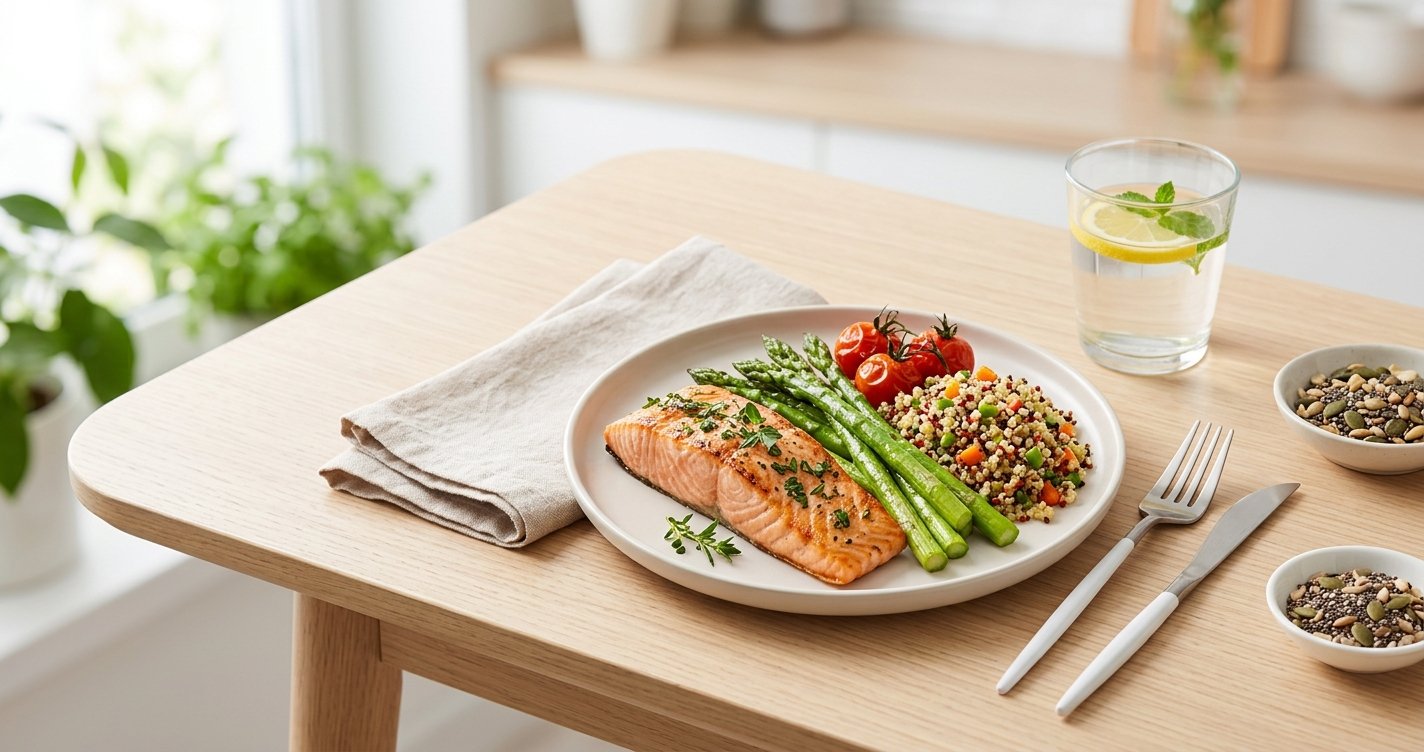
In the vast ocean of fat loss advice, it's easy to feel overwhelmed. From restrictive diets to intense workout regimes, the journey can often seem daunting. But what if we told you there's one powerful, yet often underestimated, nutrient that can significantly accelerate your progress, make the process smoother, and help you maintain your results long-term? We're talking about protein – your ultimate ally in the quest for sustainable fat loss.
Forget the fads and quick fixes. This isn't about deprivation; it's about smart nutrition. Protein isn't just for bodybuilders; it's a fundamental building block for everyone, especially when you're aiming to shed body fat while preserving precious muscle. In this comprehensive guide, we'll dive deep into the science-backed reasons why protein is so crucial, how much you really need, and practical, delicious ways to incorporate more of it into your daily life. Get ready to transform your approach to fat loss, one protein-packed meal at a time! this excellent wellness product
Why Protein is Your Best Friend for Fat Loss: The Science Unpacked
Protein isn't just a macronutrient; it's a metabolic powerhouse when it comes to body composition. Let's explore the key mechanisms that make it so effective for shedding fat and keeping it off.
Satiety: Feeling Fuller, Longer
One of the biggest challenges in any fat loss journey is managing hunger and cravings. This is where protein shines! Numerous studies have consistently shown that protein is the most satiating of all macronutrients. When you consume protein, it triggers the release of hormones like GLP-1 and CCK, which signal fullness to your brain. This means a high-protein meal can keep you feeling satisfied for longer, reducing the likelihood of overeating or snacking on unhealthy options between meals. Imagine fewer hunger pangs and more control over your calorie intake – that's the protein advantage!
The Thermic Effect of Food (TEF): Burn More Calories Just By Eating
Did you know your body expends energy just to digest, absorb, and metabolize the food you eat? This is known as the Thermic Effect of Food (TEF), and it varies significantly between macronutrients. Protein has the highest TEF, meaning your body burns more calories processing protein than it does carbohydrates or fats. Approximately 20-30% of the calories from protein are expended during digestion, compared to 5-10% for carbs and 0-3% for fats. While this might seem like a small number, it adds up over the course of a day, week, and month, contributing to a greater overall calorie deficit without extra effort.
Muscle Preservation: Protect Your Lean Mass
When you're in a calorie deficit to lose fat, your body can sometimes break down muscle tissue for energy, especially if protein intake is insufficient. This is counterproductive, as muscle is metabolically active, meaning it burns more calories at rest than fat does. A higher protein intake helps to signal your body to preserve muscle mass, even when calories are restricted. Combine this with strength training, and you're creating an optimal environment for losing fat while building or maintaining a lean, strong physique. This is crucial for boosting your resting metabolism and achieving a toned look.
How Much Protein Do You Really Need? Evidence-Based Guidelines
The "recommended daily allowance" (RDA) for protein (0.8 grams per kilogram of body weight) is typically set to prevent deficiency, not to optimize body composition or support fat loss. For those actively trying to lose fat, higher intakes are generally recommended.
- For Active Individuals & Fat Loss: A widely accepted guideline is to aim for 1.6 to 2.2 grams of protein per kilogram of body weight (or 0.7 to 1 gram per pound of body weight) per day.
- For Example: If you weigh 70 kg (approx. 154 lbs), you'd aim for roughly 112-154 grams of protein daily. If you weigh 180 lbs (approx. 82 kg), you'd target 126-180 grams.
- Individual Needs: Factors like your activity level, age, current body composition, and specific goals can influence your optimal intake. It's always a good idea to start at the lower end of the recommended range and adjust based on how you feel and your progress.
Distributing your protein intake evenly throughout the day, rather than consuming most of it in one large meal, can also maximize muscle protein synthesis and satiety. Aim for 20-40 grams of protein per main meal and potentially 10-20 grams for snacks.
Smart Strategies to Boost Your Protein Intake (Without Feeling Like a Bodybuilder)
Incorporating more protein doesn't have to mean eating bland chicken breasts all day. There are countless delicious and practical ways to hit your targets.
Lean Meats & Poultry: The Classics
- Chicken Breast & Turkey: Versatile and lean, perfect for grilling, baking, or stir-frying.
- Lean Beef: Sirloin, tenderloin, or lean ground beef can be great options.
- Fish & Seafood: Salmon (omega-3s!), tuna, cod, shrimp are excellent sources.
- Eggs: A complete protein, incredibly versatile for any meal of the day.
Dairy & Plant-Based Options: Diverse & Delicious
- Greek Yogurt: High in protein, great for breakfast, snacks, or even savory dips.
- Cottage Cheese: Another fantastic dairy option, perfect with fruit or in savory dishes.
- Legumes: Lentils, chickpeas, black beans offer protein and fiber.
- Tofu & Tempeh: Excellent plant-based protein sources for stir-fries, curries, or baking.
- Edamame: A satisfying snack or addition to salads.
- Quinoa: A complete plant-based protein, great as a side or base for bowls.
Protein Supplements: When and How?
While whole foods should always be your primary source, protein supplements can be a convenient tool, especially for busy individuals or those struggling to meet their daily needs.
- Whey Protein: Fast-digesting, ideal post-workout or for quick boosts.
- Casein Protein: Slow-digesting, good before bed or for sustained release.
- Plant-Based Proteins: Pea, rice, or hemp protein powders are excellent alternatives for vegans or those with dairy sensitivities.
Remember, supplements are meant to supplement, not replace, a balanced diet. Always choose reputable brands and check ingredient lists.
Meal Timing & Distribution: Maximize Absorption & Satiety
Instead of front-loading your protein or saving it all for dinner, try to distribute it evenly across your meals. Aim for 20-40 grams of protein at each major meal (breakfast, lunch, dinner) and include protein in your snacks. This steady supply helps maintain muscle protein synthesis throughout the day and keeps hunger at bay more effectively.
Beyond Protein: The Holistic Approach to Fat Loss
While protein is a superstar, it's part of a larger team. For truly sustainable fat loss, remember to consider these other crucial elements:
- Calorie Deficit: Ultimately, you need to consume fewer calories than you burn. Protein helps achieve this by promoting satiety, but awareness of your overall intake is key.
- Fiber-Rich Foods: Found in fruits, vegetables, and whole grains, fiber also contributes to satiety and digestive health.
- Healthy Fats: Essential for hormone production and nutrient absorption. Think avocados, nuts, seeds, and olive oil in moderation.
- Strength Training: Crucial for building and preserving muscle mass, which boosts your metabolism.
- Adequate Sleep: Poor sleep can disrupt hunger hormones and lead to increased cravings.
- Stress Management: Chronic stress can elevate cortisol, potentially hindering fat loss.
- Hydration: Sometimes thirst is mistaken for hunger. Drink plenty of water throughout the day.
Putting It All Together: Your Action Plan for Protein-Powered Fat Loss
Ready to make protein work for you? Here’s a simple action plan:
- Calculate Your Target: Determine your daily protein goal based on your body weight and activity level (1.6-2.2g/kg).
- Prioritize Protein at Every Meal: Make sure each main meal (and most snacks) includes a significant protein source.
- Prep Ahead: Cook lean protein sources in batches (chicken, hard-boiled eggs) to have them ready for quick meals and snacks.
- Experiment with Variety: Don't get stuck in a rut. Explore different protein sources to keep things interesting and ensure a wide range of nutrients.
- Track & Adjust: For a week or two, track your protein intake to see where you stand. Adjust your meals as needed.
- Combine with Strength Training: Maximize the muscle-sparing and building effects of protein by lifting weights regularly.
Embracing a higher protein intake is not just a diet hack; it's a sustainable lifestyle change that supports not only fat loss but overall health, energy levels, and body composition. By understanding its profound benefits and implementing smart strategies, you're not just losing weight – you're building a stronger, healthier, and more vibrant you. Start making protein your priority today, and watch your fat loss journey become more effective, enjoyable, and sustainable than ever before. You've got this!