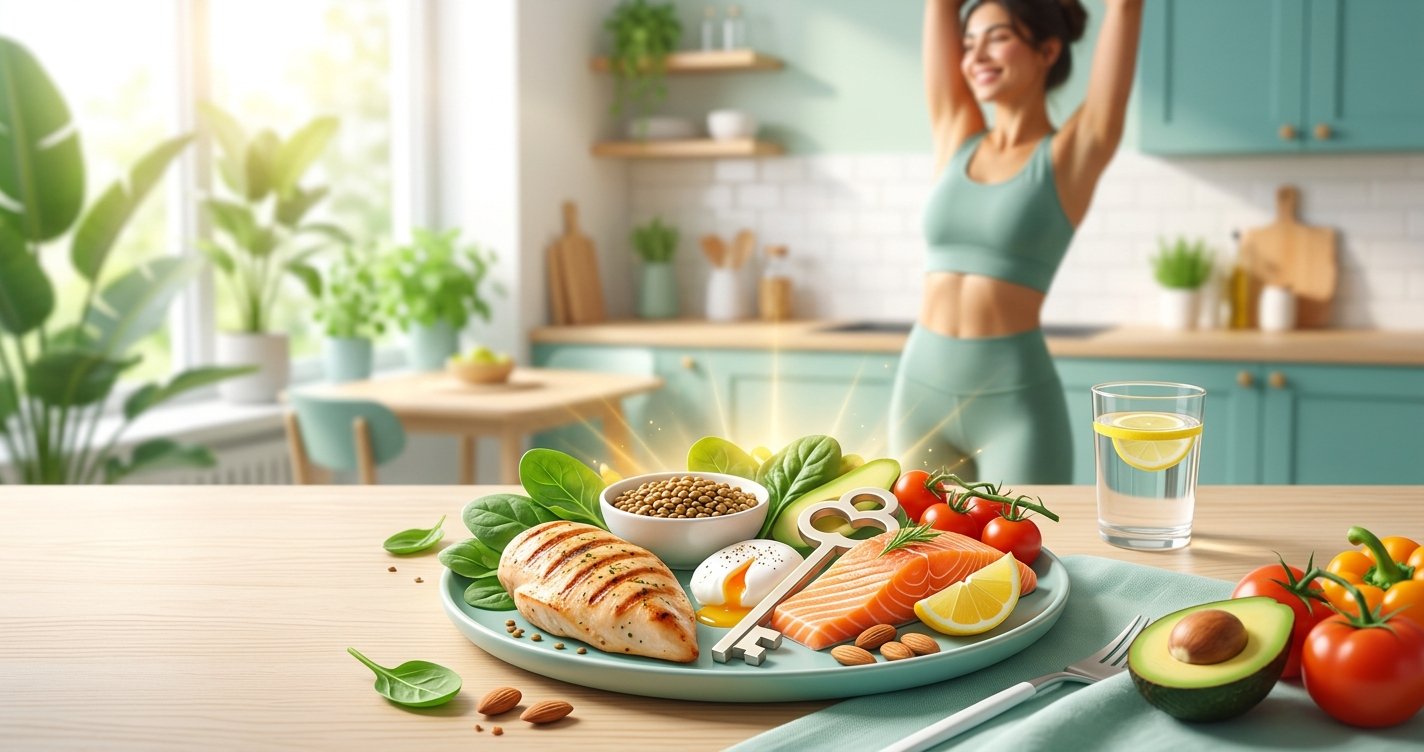
Ah, fat loss. It's a journey many of us embark on, often filled with confusing advice, restrictive diets, and frustrating plateaus. You've probably heard about calorie counting, cutting carbs, or endless cardio. While these have their place, there's one nutritional powerhouse that often doesn't get the spotlight it deserves, yet plays a monumental role in not just losing fat, but keeping it off sustainably: protein.
Imagine a fat loss strategy that helps you feel fuller for longer, boosts your metabolism, and protects your precious muscle mass, all while making your meals more satisfying. Sounds good, right? That's the power of optimizing your protein intake. This isn't about bland chicken and broccoli every meal; it's about smart, evidence-based choices that empower your body to become a more efficient fat-burning machine. Let's dive in and discover why protein is your ultimate ally in the quest for sustainable fat loss. this excellent wellness product
Why Protein is Your Fat Loss MVP (Most Valuable Player)
When it comes to shedding those extra pounds, protein isn't just a building block for muscles; it's a strategic player with multiple roles that directly impact your success. Unlike carbohydrates or fats, protein offers a unique combination of benefits that make it indispensable for anyone serious about sustainable fat loss. Think of it as the Swiss Army knife of nutrition – versatile, powerful, and incredibly effective.
From keeping hunger pangs at bay to giving your metabolism a gentle nudge, protein works tirelessly behind the scenes to support your goals. It helps you navigate the challenges of a calorie deficit with greater ease and ensures that the weight you lose is primarily fat, not muscle. Let's explore the science-backed ways protein champions your fat loss journey.
The Science of Satiety: Feeling Full, Losing Fat
One of the biggest hurdles in any fat loss journey is hunger. Those nagging cravings and the constant battle against an empty stomach can derail even the most determined efforts. This is where protein truly shines. Protein is renowned for its superior ability to promote satiety, meaning it keeps you feeling fuller and more satisfied for longer periods compared to carbohydrates or fats.
Why does this happen? When you consume protein, it triggers the release of specific hormones in your gut, such as PYY and GLP-1, which signal fullness to your brain. It also helps to suppress ghrelin, the 'hunger hormone'. Imagine going through your day feeling less hungry, experiencing fewer cravings, and naturally eating less without feeling deprived. This natural reduction in calorie intake, driven by increased satiety, is a game-changer for sustainable fat loss. Studies consistently show that individuals on higher-protein diets tend to consume fewer calories overall.
Stoking Your Metabolic Fire: The Thermic Effect of Food (TEF)
Did you know that your body burns calories just to digest, absorb, and process the food you eat? This phenomenon is called the Thermic Effect of Food (TEF), and protein has a significantly higher TEF than other macronutrients. While fats have a TEF of 0-3% and carbohydrates range from 5-10%, protein boasts a TEF of 20-30%.
What does this mean for your fat loss? It means that for every 100 calories of protein you consume, your body uses 20-30 of those calories just to process it. In contrast, for 100 calories of fat, only 0-3 calories are burned in digestion. This 'metabolic boost' from protein might seem small on a meal-to-meal basis, but it adds up over time, contributing to a greater overall calorie expenditure throughout your day. Essentially, eating protein helps you burn more calories without even trying!
Protecting Your Hard-Earned Muscle During a Calorie Deficit
When you're aiming for fat loss, the goal is to lose fat, not muscle. Unfortunately, when you restrict calories, your body can sometimes tap into muscle tissue for energy, especially if protein intake is insufficient. This is detrimental because muscle is metabolically active – it burns more calories at rest than fat tissue does.
A higher protein intake is crucial for preserving lean muscle mass during a calorie deficit. Protein provides the amino acids necessary for muscle repair and synthesis, signaling to your body that it should hold onto its muscle. By maintaining or even building muscle, you keep your metabolism revving, making it easier to sustain fat loss in the long run. Losing weight but looking 'skinny fat' or feeling weaker isn't anyone's goal; protein helps ensure you lose fat while maintaining a strong, toned physique.
How Much Protein Do You Really Need for Optimal Fat Loss?
So, we know protein is amazing, but how much should you actually be aiming for? The general dietary guidelines for protein are often insufficient for active individuals or those specifically targeting fat loss. For optimal fat loss and muscle preservation, research suggests a higher intake than the standard recommendations.
- General Recommendation: For most people aiming for fat loss, a good starting point is to consume between 1.6 to 2.2 grams of protein per kilogram of body weight (or approximately 0.7 to 1.0 grams per pound of body weight).
- Example: If you weigh 70 kg (about 154 lbs), you'd be looking at roughly 112-154 grams of protein per day.
- Higher End for Active Individuals: If you're very active, engage in intense strength training, or are in a significant calorie deficit, you might even benefit from going slightly higher, towards the upper end of that range, or even up to 2.4-3.0 g/kg (1.1-1.4 g/lb).
Don't get too bogged down by exact numbers initially. The key is to consciously increase your protein intake beyond what you might currently be eating and spread it out throughout your day.
Practical Strategies for Boosting Your Protein Intake
Now that you know the 'why' and 'how much,' let's talk 'how to.' Incorporating more protein into your diet doesn't have to be complicated or boring. Small, consistent changes can make a huge difference.
Easy Protein Swaps & Additions:
- Breakfast: Swap sugary cereals for Greek yogurt (high protein!), eggs, or a protein smoothie. Add a scoop of protein powder to your oatmeal.
- Lunch/Dinner: Ensure every meal has a lean protein source like chicken breast, fish, lean beef, tofu, or lentils. Increase your portion size of protein slightly.
- Snacks: Opt for cottage cheese, a handful of almonds, jerky, hard-boiled eggs, or a protein bar instead of chips or cookies.
- Condiments: Use high-protein dips like hummus or add nutritional yeast to savory dishes.
Spreading Protein Throughout Your Day:
Instead of front-loading your protein or saving it all for dinner, aim to distribute your protein intake fairly evenly across your meals. Try to get at least 20-30 grams of protein at each main meal (breakfast, lunch, and dinner). This strategy helps maximize muscle protein synthesis and keeps you feeling satiated consistently throughout the day.
Diverse Protein Sources: Beyond Just Chicken and Whey
Variety is the spice of life, and it's also key to a sustainable, enjoyable diet. While chicken breast and whey protein are excellent, there's a whole world of protein-rich foods to explore:
- Animal Sources: Lean beef, pork, turkey, fish (salmon, tuna, cod), shrimp, eggs, dairy (Greek yogurt, cottage cheese, milk, cheese).
- Plant-Based Sources: Tofu, tempeh, edamame, lentils, beans (black beans, chickpeas), quinoa, seitan, spirulina, nutritional yeast, nuts (almonds, peanuts), seeds (chia, hemp, pumpkin).
- Supplements: Whey protein, casein protein, soy protein, pea protein, rice protein powders can be convenient tools to hit your targets, especially around workouts or as a quick snack.
Experiment with different sources to keep your meals exciting and ensure you're getting a broad spectrum of nutrients.
Common Protein Myths Debunked
Despite its benefits, protein often falls victim to misconceptions. Let's clear up a couple of common ones:
Myth 1: Too Much Protein is Bad for Your Kidneys
Fact: For healthy individuals with normal kidney function, there is no scientific evidence to suggest that a high-protein diet causes kidney damage. Research indicates that even very high protein intakes (up to 3.4 g/kg body weight) are safe. However, if you have pre-existing kidney disease, it's crucial to consult your doctor or a registered dietitian before making significant dietary changes.
Myth 2: Protein Will Make Me Bulky (Especially for Women)
Fact: This is a common fear, especially among women. Building significant muscle mass requires a very specific training regimen, often a caloric surplus, and specific hormonal profiles (like higher testosterone levels), which most women naturally lack. Consuming adequate protein, especially in conjunction with resistance training, will help you build lean muscle, which contributes to a toned, strong physique, not a 'bulky' one. It's essential for a healthy metabolism and body composition.
Putting It All Together: Your High-Protein Fat Loss Plan
Embracing protein as your fat loss secret weapon isn't about perfection; it's about progress and consistency. Start by making small, actionable changes:
- Prioritize Protein at Every Meal: Aim for a significant protein source in your breakfast, lunch, and dinner.
- Smart Snacking: Choose protein-rich snacks over processed carbs or sugary treats.
- Hydration is Key: Don't forget to drink plenty of water, especially when increasing protein intake.
- Pair with Produce: Combine your protein with plenty of fiber-rich vegetables and fruits for added nutrients and satiety.
- Stay Active: Combine your optimized nutrition with regular physical activity, including strength training, to maximize muscle preservation and fat loss.
By consciously increasing your protein intake, you're not just following a diet; you're adopting a sustainable, evidence-based strategy that empowers your body to burn fat more efficiently, stay fuller longer, and maintain the muscle that keeps your metabolism strong. This journey is about nurturing your body, feeling energized, and achieving lasting results you can be proud of. You've got this!