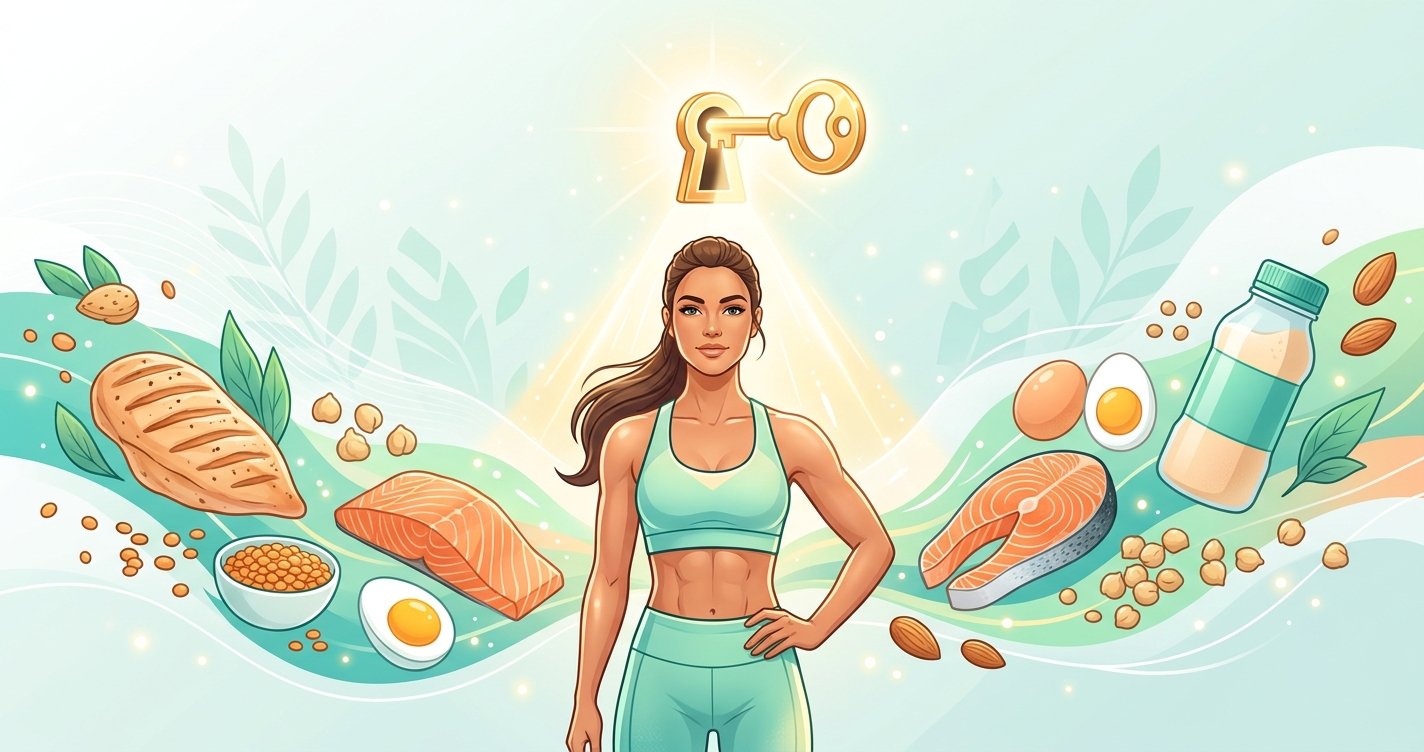
Unlock Your Fat Loss Potential: Why Protein is Your Ultimate Ally
Are you on a quest to shed those stubborn extra pounds and build a leaner, stronger physique? Many people focus solely on calorie restriction or endless cardio, often feeling frustrated when progress stalls or the weight creeps back on. What if we told you there’s a powerful, often underestimated nutrient that can significantly boost your fat loss efforts, keep you feeling satisfied, and protect your hard-earned muscle? Enter protein!
Protein isn't just for bodybuilders; it's a critical macronutrient for anyone serious about sustainable fat loss and overall health. In this comprehensive guide, we'll dive deep into why protein is your ultimate ally, how much you truly need, and practical ways to effortlessly incorporate more of it into your daily diet. this excellent wellness product
The Protein Advantage: More Than Just Muscles
While protein is famously known as the building block of muscles, its role in fat loss extends far beyond that. Understanding these mechanisms can empower you to make smarter dietary choices.
Satiety Powerhouse: Feeling Fuller, Longer
One of the biggest challenges when trying to lose fat is managing hunger and cravings. Protein is a champion at promoting satiety – the feeling of fullness. Studies consistently show that a higher protein intake can significantly reduce appetite and keep you feeling satisfied for longer compared to diets lower in protein, fat, or carbohydrates. This means less mindless snacking, fewer cravings, and an easier time sticking to your calorie goals without feeling deprived.
The Thermic Effect: Burning More Calories Just By Eating
Did you know your body burns calories just to digest, absorb, and metabolize the food you eat? This is known as the Thermic Effect of Food (TEF), and protein has the highest TEF of all macronutrients. Approximately 20-30% of the calories from protein are burned during digestion, compared to 5-10% for carbohydrates and 0-3% for fats. This means that by simply increasing your protein intake, you're giving your metabolism a small but significant boost throughout the day!
Muscle Preservation: Protecting Your Metabolism
When you restrict calories for fat loss, there's always a risk of losing not just fat, but also precious muscle mass. This is where protein shines. Adequate protein intake, especially when combined with strength training, is crucial for preserving lean muscle mass during a calorie deficit. Why is this important? Muscle is metabolically active tissue, meaning it burns more calories at rest than fat does. Protecting your muscle mass helps maintain a higher resting metabolic rate, making it easier to sustain fat loss and prevent rebound weight gain.
How Much Protein Do You Really Need for Fat Loss?
The standard Recommended Dietary Allowance (RDA) for protein is 0.8 grams per kilogram (g/kg) of body weight, but this is typically a minimum to prevent deficiency, not necessarily optimal for fat loss or active individuals. For those aiming for fat loss, research suggests a higher intake is beneficial.
- General Recommendation for Fat Loss: Aim for approximately 1.6 to 2.2 grams of protein per kilogram of body weight per day.
- Example: If you weigh 70 kg (about 154 lbs), this translates to roughly 112-154 grams of protein per day.
- Considerations: If you're highly active, engage in intense strength training, or are significantly overweight, your needs might be at the higher end of this range. Some studies suggest up to 2.4-3.1 g/kg for elite athletes in a caloric deficit.
Don't fret too much about hitting an exact number every single day, but use this as a helpful guideline to ensure you're getting enough to support your goals.
Smart Protein Choices: Fueling Your Body Right
Now that you know how much protein to aim for, let's talk about where to find it. Variety is key, and there are excellent sources for every dietary preference.
Lean Animal Sources
- Chicken & Turkey Breast: Classic, lean, and versatile.
- Fish: Salmon, tuna, cod, and tilapia offer high-quality protein and often beneficial omega-3 fatty acids.
- Lean Beef & Pork: Opt for leaner cuts like sirloin, tenderloin, or extra-lean ground options.
- Eggs: A complete protein powerhouse, incredibly versatile and affordable.
- Dairy: Greek yogurt, cottage cheese, milk, and whey protein are excellent sources, often providing calcium and probiotics too.
Plant-Based Powerhouses
- Legumes: Lentils, chickpeas, black beans, and kidney beans are rich in protein and fiber.
- Tofu & Tempeh: Soy-based products that are incredibly versatile for cooking.
- Edamame: Great as a snack or addition to salads.
- Quinoa: A complete protein grain, perfect as a side dish.
- Nuts & Seeds: Almonds, peanuts, chia seeds, flax seeds, and pumpkin seeds offer protein, healthy fats, and fiber (in moderation due to calorie density).
- Seitan: A wheat-based protein with a meat-like texture.
Protein Supplements: When and How
While whole foods should always be your primary source, protein supplements can be a convenient and effective way to meet your daily protein targets, especially if you have high needs or struggle to get enough from food alone. Whey protein, casein protein, and plant-based proteins (pea, rice, soy) are popular options. They are great for post-workout recovery, quick snacks, or boosting the protein content of smoothies.
Integrating Protein Into Your Daily Routine: Practical Tips
Making protein a priority doesn't have to be complicated. Here are some simple, actionable strategies to boost your intake throughout the day:
- Start Your Day Strong: Instead of sugary cereals or toast, opt for protein-rich breakfasts. Think scrambled eggs, Greek yogurt with berries, cottage cheese, or a protein smoothie.
- Power Up Your Lunch & Dinner: Build your meals around a lean protein source. Add grilled chicken to your salad, make a lentil soup, or include fish with your veggies.
- Smart Snacking: Ditch the chips and cookies. Opt for protein-packed snacks like a handful of almonds, hard-boiled eggs, a piece of string cheese, or a small container of cottage cheese.
- Distribute Your Intake: Instead of eating most of your protein in one sitting, try to spread it out throughout the day. Aim for 20-40 grams of protein per meal to maximize muscle protein synthesis and satiety.
- Plan Ahead: Batch cook lean protein sources like chicken breast or hard-boiled eggs at the beginning of the week to have readily available additions to your meals.
Beyond Protein: A Holistic Approach to Sustainable Fat Loss
While protein is a superstar for fat loss, it's essential to remember it's one piece of a larger puzzle. For truly sustainable and healthy fat loss, consider these other crucial elements:
- Strength Training: Combine your protein intake with regular strength training to build and preserve muscle, further boosting your metabolism.
- Balanced Nutrition: Don't forget healthy fats and complex carbohydrates for energy, micronutrients, and overall health. Focus on whole, unprocessed foods.
- Adequate Sleep: Poor sleep can disrupt hormones that regulate appetite and fat storage, making fat loss significantly harder.
- Hydration: Drink plenty of water throughout the day; sometimes thirst is mistaken for hunger.
- Stress Management: Chronic stress can lead to increased cortisol levels, which can promote fat storage, particularly around the abdomen.
Your Journey to a Leaner You Starts Here!
Embracing protein as a key component of your diet can be a game-changer on your fat loss journey. By prioritizing this powerful macronutrient, you'll not only feel fuller and more satisfied but also boost your metabolism, preserve muscle, and accelerate your progress towards a leaner, healthier you. It’s a sustainable, evidence-based strategy that offers far more than just a quick fix.
So, what are you waiting for? Start incorporating more protein into your meals today and unlock your true fat loss potential. Your body will thank you!