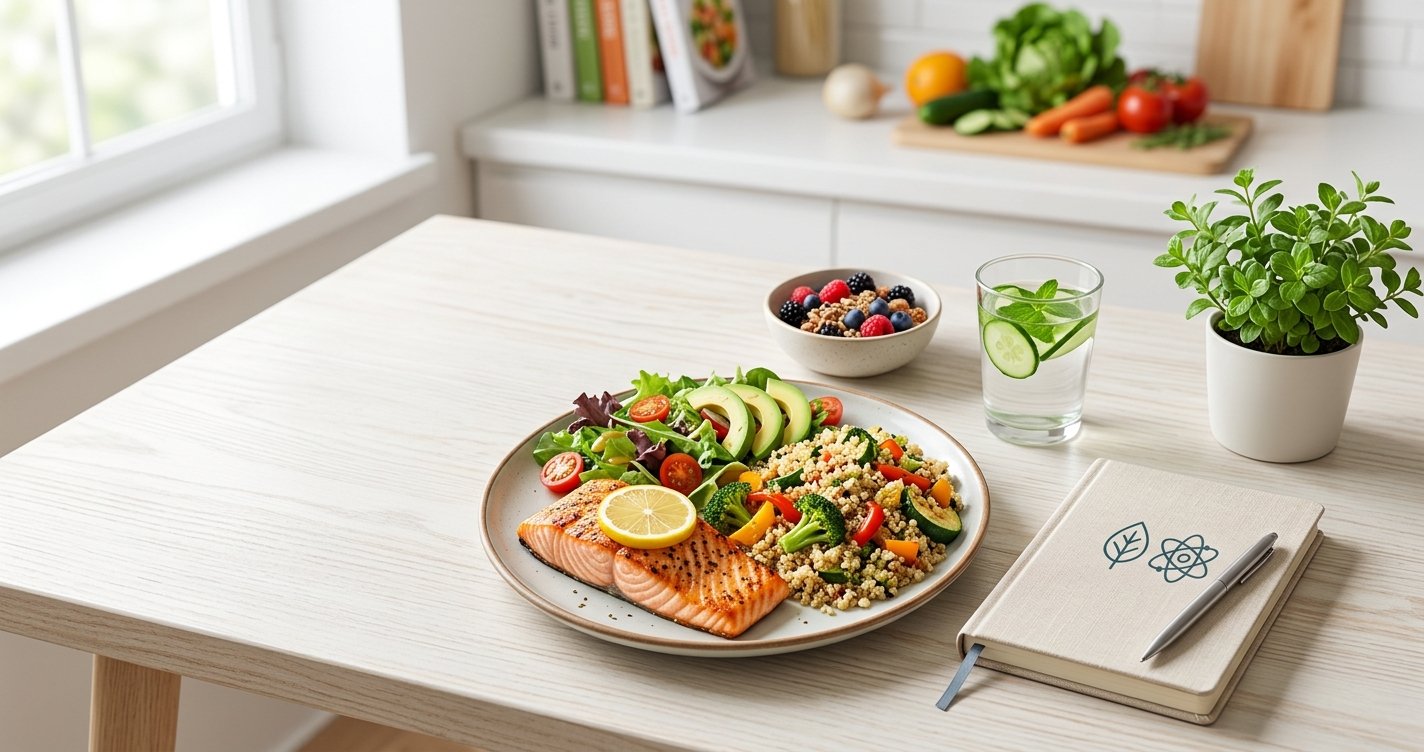
Beyond the Buzz: Simple, Science-Backed Nutrition for Sustainable Fat Loss
In a world overflowing with diet fads, quick fixes, and conflicting information, it’s easy to feel lost when trying to achieve sustainable fat loss. You’ve probably tried countless approaches, only to feel frustrated when the results don’t last. The good news? Real, lasting fat loss isn't about deprivation or complicated rules. It's about understanding fundamental nutritional principles and applying them consistently.
This guide cuts through the noise to bring you evidence-based nutrition strategies that genuinely work, focusing on building habits that you can maintain for life. Get ready to ditch the diet mentality and embrace a smarter, more sustainable path to a healthier, leaner you! this excellent wellness product
The Non-Negotiable Core: Understanding Your Calorie Deficit
Let's start with the absolute bedrock of fat loss: the calorie deficit. Simply put, to lose fat, you must consume fewer calories than your body burns. It’s a fundamental law of thermodynamics, and no amount of 'superfoods' or 'detox teas' can bypass it. Your body needs a certain amount of energy (calories) to function each day, known as your Total Daily Energy Expenditure (TDEE). When you consistently eat less than your TDEE, your body taps into its stored energy (fat) to make up the difference, leading to fat loss.
The key here is 'sustainable.' A drastic calorie deficit might lead to rapid initial weight loss, but it's often accompanied by muscle loss, nutrient deficiencies, plummeting energy levels, and an insatiable hunger that makes adherence impossible. Aim for a moderate deficit—typically 300-500 calories below your TDEE—which allows for steady fat loss (about 1-2 pounds per week) without sacrificing your health or sanity. Tools like online TDEE calculators can give you an estimate, but listening to your body and tracking your intake for a week or two can help you find your personal sweet spot.
Protein Power: Your Ultimate Ally in Fat Loss
If there's one macronutrient that deserves superstar status in your sustainable fat loss nutrition plan, it's protein. Protein plays several crucial roles:
- Satiety: Protein is incredibly filling. Including adequate protein in your meals helps you feel fuller for longer, reducing the urge to snack unnecessarily and making it easier to stick to your calorie goals.
- Muscle Preservation: When you're in a calorie deficit, your body can lose both fat and muscle. Protein helps to preserve lean muscle mass, which is vital because muscle is metabolically active, meaning it helps burn more calories even at rest.
- Thermic Effect of Food (TEF): Protein has a higher TEF than carbs or fats. This means your body expends more energy (calories) to digest and metabolize protein, giving you a slight metabolic boost.
Aim for roughly 0.7 to 1 gram of protein per pound of your target body weight daily. Distribute this intake across your meals to maximize its benefits.
Excellent Sources of Lean Protein:
- Chicken breast, turkey, lean beef
- Fish (salmon, tuna, cod)
- Eggs
- Greek yogurt, cottage cheese
- Legumes (lentils, beans)
- Tofu, tempeh, edamame
- Protein powder (whey, casein, plant-based)
The Magic of Fiber: Filling Up on Goodness
Fiber is another unsung hero in the quest for effective fat loss. Often found in plant-based foods, fiber contributes to satiety in a different way than protein. Soluble fiber forms a gel-like substance in your digestive tract, slowing down digestion and nutrient absorption, which helps stabilize blood sugar levels and prolong feelings of fullness. Insoluble fiber adds bulk to your stool, promoting regular bowel movements and gut health.
Beyond satiety, a diet rich in fiber is associated with better overall health outcomes, including a reduced risk of heart disease and type 2 diabetes. Plus, most high-fiber foods are also packed with essential vitamins, minerals, and antioxidants.
Fiber-Rich Foods to Embrace:
- Fruits (berries, apples, pears, oranges)
- Vegetables (broccoli, spinach, Brussels sprouts, carrots)
- Whole grains (oats, quinoa, brown rice, whole-wheat bread)
- Legumes (black beans, chickpeas, kidney beans)
- Nuts and seeds (chia seeds, flax seeds, almonds)
Smart Carb Choices & Healthy Fats: Not All Created Equal
Carbohydrates and fats have often been demonized in various diet trends, but they are essential macronutrients. The key is to make smart, informed choices.
Carbohydrates: Fueling Without Overdoing
Carbohydrates are your body's primary source of energy. The distinction lies between highly processed, refined carbohydrates and complex, whole-food carbohydrates.
- Refined Carbs: Think white bread, sugary cereals, pastries, and sodas. These are quickly digested, leading to rapid spikes in blood sugar and subsequent crashes, leaving you feeling hungry and sluggish.
- Complex Carbs: Found in whole grains, fruits, and vegetables. These are digested slowly, providing a steady release of energy, stabilizing blood sugar, and offering a wealth of fiber and nutrients.
Focus on getting your carbohydrates from whole, unprocessed sources, especially around your workouts when you need sustained energy. The exact amount will vary based on your activity level and individual needs, but prioritize quality over quantity.
Healthy Fats: Essential for Health and Satiety
Dietary fats are crucial for hormone production, nutrient absorption (especially fat-soluble vitamins A, D, E, and K), and overall cellular function. They also contribute significantly to satiety. However, fats are calorie-dense (9 calories per gram compared to 4 for protein and carbs), so moderation is key, even with healthy fats.
Include These Healthy Fat Sources:
- Avocado
- Nuts and seeds (almonds, walnuts, chia seeds, flax seeds)
- Olive oil, avocado oil
- Fatty fish (salmon, mackerel, sardines)
Hydration and Mindful Eating: Often Overlooked Keys
While not strictly about macronutrients, these two elements are powerful contributors to sustainable fat loss and overall well-being.
Drink Up: The Power of Water
Water is often overlooked but plays a critical role in almost every bodily function. Staying well-hydrated can:
- Boost Metabolism: Water is involved in numerous metabolic processes.
- Aid Satiety: Sometimes, thirst can be mistaken for hunger. Drinking water before meals can help you feel fuller and potentially eat less.
- Support Digestion: Especially important when increasing fiber intake.
Aim for at least 8 glasses of water a day, and more if you're active or in a hot climate.
Mindful Eating: Connecting with Your Body
Mindful eating isn't a diet; it's an approach to food that focuses on your sensory experience and your body's hunger and fullness cues. In our fast-paced world, we often eat distractedly, leading to overconsumption and a disconnect from our bodies.
Practice Mindful Eating By:
- Eating slowly and savoring each bite.
- Paying attention to the flavors, textures, and aromas of your food.
- Putting away distractions (phone, TV, computer).
- Stopping when you feel comfortably full, not stuffed.
- Recognizing emotional eating triggers.
This practice helps you enjoy your food more and naturally regulate your intake, making sustainable fat loss feel effortless.
Consistency Over Perfection: The Long Game
The journey to sustainable fat loss is not a sprint; it's a marathon. There will be days when you make less-than-ideal choices, or your progress seems to stall. This is normal. The biggest mistake you can make is letting one 'slip-up' derail your entire effort.
Focus on consistency, not perfection. Instead of striving for 100% adherence all the time, aim for 80-90%. This leaves room for flexibility, social events, and enjoying your favorite foods in moderation, which is crucial for long-term adherence. Build habits you can stick with for the rest of your life, not just for a few weeks.
Conclusion: Your Path to a Leaner, Healthier You
Achieving sustainable fat loss through nutrition doesn't have to be complicated or miserable. By focusing on the scientific fundamentals—a moderate calorie deficit, adequate protein, plenty of fiber, smart carb and healthy fat choices, proper hydration, and mindful eating—you equip yourself with the tools for lasting success.
Remember, this is your journey. Be patient with yourself, celebrate small victories, and prioritize building habits that support your health and well-being in the long run. Start small, make one change at a time, and watch as these simple, science-backed strategies transform your body and your relationship with food. You’ve got this!