Ever feel like you’re constantly battling your body, trying every diet under the sun, only to see the scale yo-yo? You’re not alone. The world of fat loss can be confusing, filled with fads and conflicting advice. But what if we told you there’s one fundamental, scientifically proven principle that underpins all successful, sustainable fat loss? It’s called the calorie deficit.
Forget the magic pills and extreme cleanses; understanding and strategically implementing a calorie deficit is the real game-changer. In this comprehensive guide, we're going to demystify the calorie deficit, break down the science, and equip you with the practical tools to achieve your fat loss goals in a healthy, sustainable way. Get ready to transform your approach to your body and build habits that last a lifetime! this excellent wellness product
What Exactly Is a Calorie Deficit? The Core Principle Explained
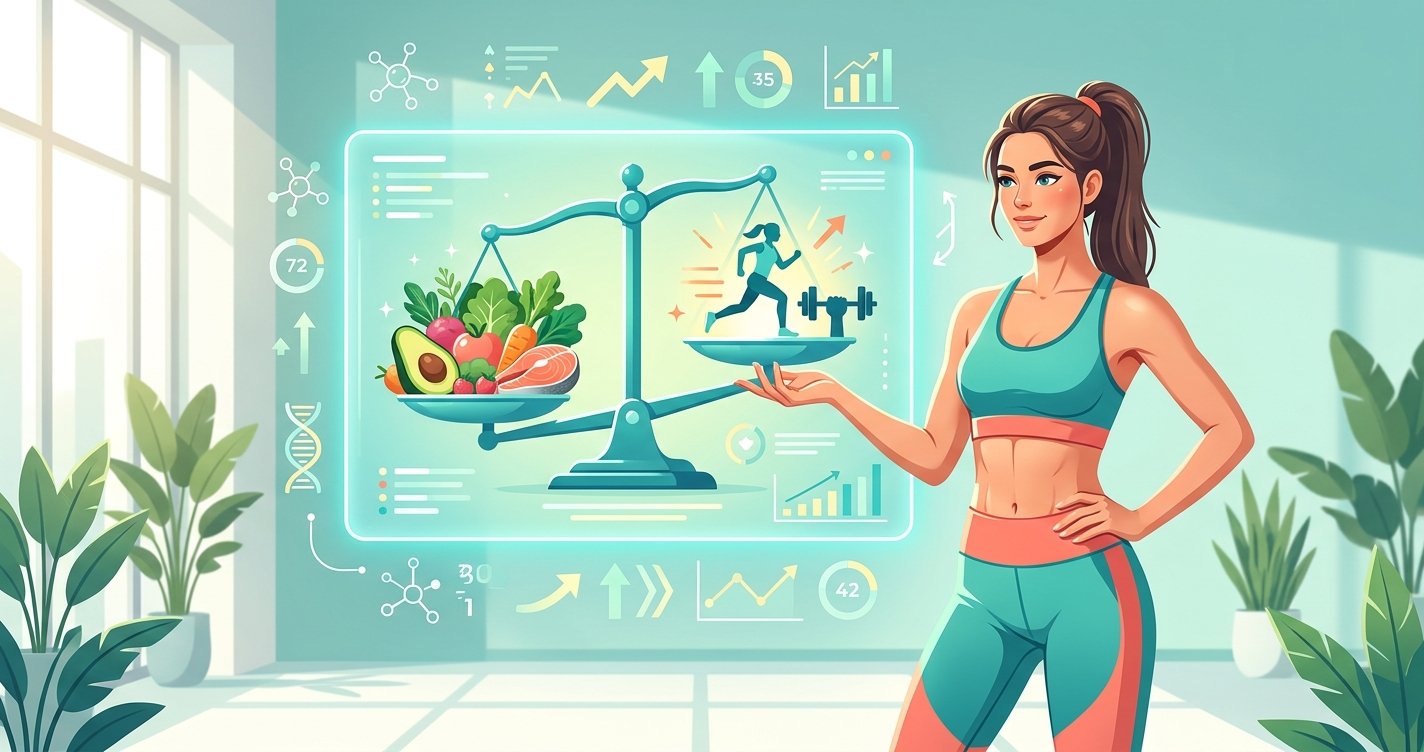
At its heart, fat loss boils down to a simple energy balance equation: to lose fat, you must consistently consume fewer calories than your body expends. This state is known as a calorie deficit. Think of your body as a car and calories as fuel. If you put less fuel in than the car uses to drive, it will eventually tap into its reserves (stored fat) to keep going.
Your body is constantly burning calories just to exist – this is your Basal Metabolic Rate (BMR). On top of that, you burn calories through physical activity, digesting food (Thermic Effect of Food - TEF), and even fidgeting (Non-Exercise Activity Thermogenesis - NEAT). All these energy expenditures combine to form your Total Daily Energy Expenditure (TDEE).
When your caloric intake is consistently below your TDEE, your body is forced to draw energy from its stored fat reserves, leading to fat loss. It’s not about starving yourself; it’s about creating a manageable, consistent energy gap that your body can adapt to.
The Math Behind the Magic: Calculating Your Personal Deficit
Understanding the concept is one thing; putting it into practice requires a bit of personalization. While exact calculations can be complex, you can get a very good estimate of your TDEE using online calculators that consider your age, gender, weight, height, and activity level.
Once you have your estimated TDEE, the goal is to create a deficit. A common recommendation for sustainable fat loss is a deficit of 300-500 calories per day. This theoretically leads to a loss of about 0.5 to 1 pound of fat per week, as 1 pound of fat is roughly equivalent to 3,500 calories.
How to Estimate Your Calorie Deficit:
- Step 1: Estimate Your TDEE. Use a reliable online TDEE calculator (e.g., from reputable fitness sites). Be honest about your activity level!
- Step 2: Subtract for Your Deficit. For a gentle, sustainable deficit, aim for 300-500 calories below your TDEE. For example, if your TDEE is 2,500 calories, aim for 2,000-2,200 calories daily.
- Step 3: Track Your Intake. For a few days or a week, use a food tracking app to get an accurate picture of your current caloric intake. This helps you understand where you might need to adjust.
Remember, these are estimates. Your body is unique, and metabolism can vary. The most accurate way to determine your optimal deficit is to start with an estimate, track your progress (weight, measurements, how clothes fit), and adjust as needed. If you're consistently losing 0.5-1 pound per week, you're likely in a good, sustainable deficit.
Fueling Your Deficit: Smart Nutrition Choices for Satiety and Health
Creating a calorie deficit isn't just about eating less; it's about eating smarter. You want to maximize nutrient density and satiety within your calorie budget to ensure you feel full, energized, and nourished.
- Prioritize Protein: Protein is your best friend for fat loss. It's highly satiating, helps preserve muscle mass (crucial for maintaining a healthy metabolism), and has a higher thermic effect. Aim for 0.7-1 gram of protein per pound of body weight.
- Embrace Fiber-Rich Foods: Vegetables, fruits, whole grains, and legumes are packed with fiber, which adds bulk to your meals, aids digestion, and keeps you feeling fuller for longer.
- Don't Fear Healthy Fats: Healthy fats (avocados, nuts, seeds, olive oil) are essential for hormone production, nutrient absorption, and satiety. Just be mindful of portion sizes, as they are calorie-dense.
- Limit Processed Foods and Sugary Drinks: These often provide "empty calories" – high in calories but low in nutrients and satiety. They can sabotage your deficit quickly.
- Hydrate, Hydrate, Hydrate: Drinking plenty of water can help with satiety, boost metabolism slightly, and is vital for overall health. Sometimes thirst is mistaken for hunger!
Beyond the Plate: Lifestyle Factors Supporting Your Calorie Deficit
While nutrition is paramount, a holistic approach to fat loss includes optimizing other lifestyle factors that impact your TDEE and your ability to stick to your plan.
- Quality Sleep: Lack of sleep disrupts hormones that regulate hunger (ghrelin) and satiety (leptin), making you hungrier and more likely to crave unhealthy foods. Aim for 7-9 hours of quality sleep per night.
- Stress Management: Chronic stress elevates cortisol levels, which can promote fat storage, especially around the belly, and increase cravings. Incorporate stress-reducing activities like meditation, yoga, or spending time in nature.
- Boost NEAT: Non-Exercise Activity Thermogenesis (NEAT) is the energy expended for everything we do that is not sleeping, eating, or structured exercise. Think walking, fidgeting, taking the stairs. Small increases in NEAT throughout your day can significantly add to your daily calorie burn over time.
Exercise and Energy Expenditure: Boosting Your Burn (Sensibly!)
Exercise is a powerful tool to complement your calorie deficit, increasing your TDEE and supporting overall health. However, it's crucial to approach it strategically, not just as a means to "burn off" bad food choices.
- Strength Training is Key: Building muscle mass is incredibly beneficial for fat loss. Muscle is metabolically active, meaning it burns more calories at rest than fat tissue. Plus, it improves body composition and gives you a strong, toned physique. Aim for 2-3 full-body strength sessions per week.
- Cardio for Health and Burn: Incorporate a mix of steady-state cardio (like brisk walking, jogging, cycling) and high-intensity interval training (HIIT). Cardio directly increases your calorie burn during the activity and improves heart health. Don't overdo it, though; excessive cardio can lead to burnout and increased hunger.
- Focus on Consistency, Not Intensity: The best exercise routine is one you can stick to. Find activities you enjoy and make them a regular part of your week.
Common Pitfalls and How to Navigate Them
The journey to sustainable fat loss isn't always linear. Be prepared for common challenges and know how to overcome them.
- Too Drastic a Deficit: Cutting calories too aggressively can lead to extreme hunger, nutrient deficiencies, muscle loss, metabolic slowdown, and an inevitable rebound. Slow and steady wins the race.
- Ignoring Progress Beyond the Scale: The scale doesn't tell the whole story. Track other metrics: how your clothes fit, energy levels, strength improvements, body measurements, and progress photos.
- Overtraining: Excessive exercise without adequate recovery can lead to fatigue, injury, increased cortisol, and hinder progress. Listen to your body and prioritize rest.
- Plateaus: Everyone experiences plateaus. When they happen, reassess your intake, activity levels, sleep, and stress. Sometimes a slight adjustment (e.g., a "refeed" day, or slightly increasing NEAT) can kickstart progress again.
- Emotional Eating: Recognize triggers for emotional eating and develop coping mechanisms that don't involve food (e.g., journaling, talking to a friend, going for a walk).
Sustainable Success: Making It a Lifestyle, Not a Diet
True, lasting fat loss isn't about a temporary fix; it's about building sustainable habits that integrate into your lifestyle. This approach fosters long-term success and overall well-being.
- Patience and Consistency: Fat loss takes time. Celebrate small victories and focus on consistent effort rather than perfection.
- Listen to Your Body: Learn to recognize true hunger and fullness cues. Practice mindful eating.
- Flexibility and Balance: Allow for occasional treats and social events. Restrictive mindsets often backfire. The 80/20 rule (80% healthy, 20% flexible) can be very effective.
- Seek Support: Share your journey with supportive friends, family, or a professional. Accountability can be a powerful motivator.
Mastering the calorie deficit is the most powerful tool you have for sustainable fat loss. It's not a secret; it's fundamental human physiology. By understanding your TDEE, creating a moderate deficit through smart nutrition and purposeful movement, and optimizing your lifestyle, you're not just losing weight – you're building a healthier, stronger, and more confident you. Remember, this is a journey of self-discovery and empowerment. Be patient, be consistent, and trust the science. Your body will thank you for it!