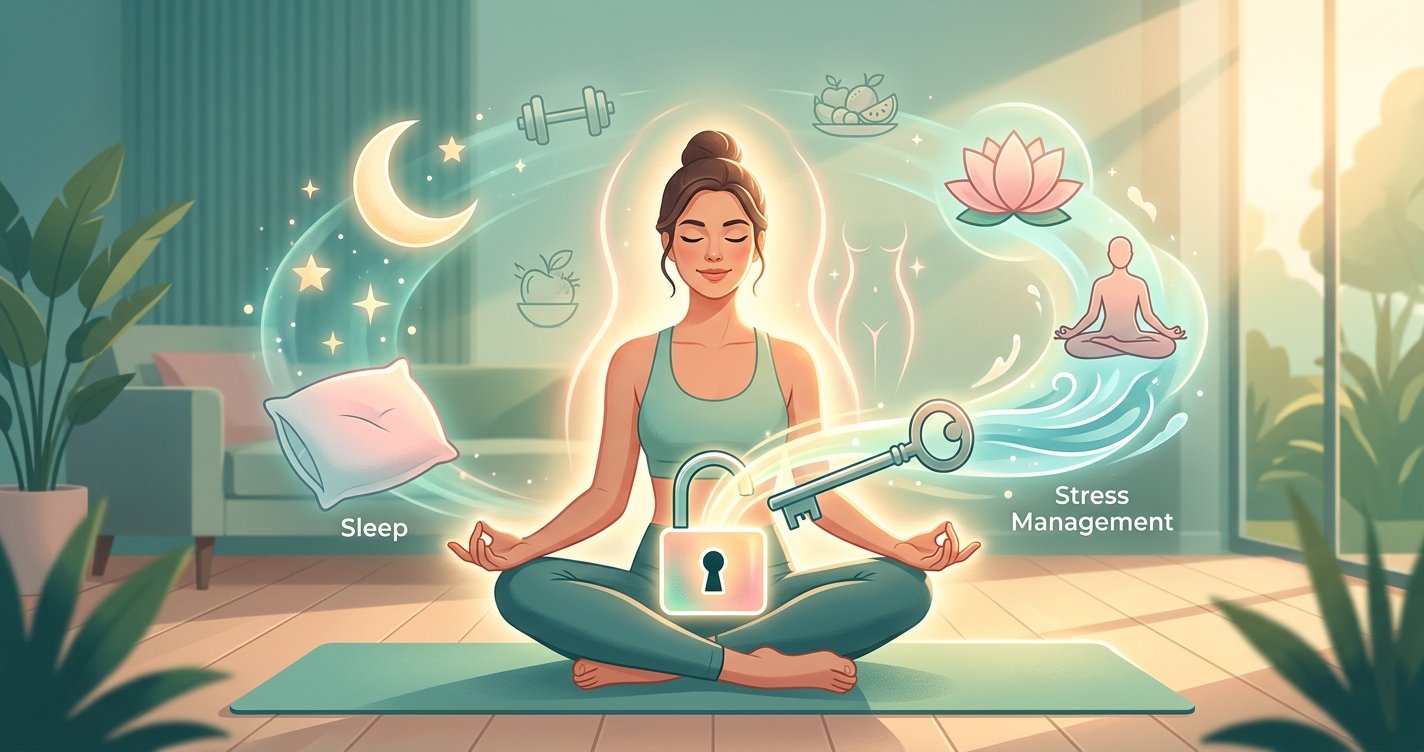
Struggling to shed those stubborn pounds, even when you're meticulously tracking calories and hitting the gym? You're not alone. Many people diligently follow traditional fat loss advice yet find themselves hitting plateaus or feeling utterly drained. What if we told you that some of the most powerful levers for sustainable fat loss aren't found in your diet plan or workout routine, but rather in two often-overlooked areas of your life: your sleep and your stress levels?
It's true. While nutrition and exercise are undeniably foundational, the science is increasingly clear: how well you sleep and how effectively you manage stress play a monumental role in your body's ability to burn fat, maintain muscle, and even control your cravings. In this friendly, evidence-based guide, we'll dive deep into the fascinating connection between sleep, stress, and your fat loss journey, offering practical, encouraging strategies to help you optimize these crucial aspects of your well-being. this excellent wellness product
The Hidden Truth: Why Sleep Matters More Than You Think for Fat Loss
Think of sleep as your body's nightly repair and reset button. When you skimp on sleep, especially consistently, you're not just feeling tired; you're actively sabotaging your fat loss efforts. Let's explore how.
Sleep Deprivation and Your Hormones: The Hunger Games
Lack of adequate sleep (typically less than 7-9 hours for most adults) throws your hunger-regulating hormones into chaos. Your body produces more ghrelin, often dubbed the 'hunger hormone,' which signals your brain that it's time to eat. Simultaneously, it produces less leptin, the 'satiety hormone,' which tells your brain you're full. The result? You feel hungrier, even when you've eaten enough, and you have a harder time recognizing when to stop. This hormonal imbalance is a direct contributor to increased calorie intake and can make sticking to a fat loss plan incredibly challenging.
The Energy Drain and Food Choices
When you're sleep-deprived, your body craves quick energy. This often translates into an increased desire for sugary, high-carb, and fatty foods – the very things that are counterproductive to fat loss. Your willpower also takes a hit; the part of your brain responsible for decision-making and impulse control (the prefrontal cortex) is less active when you're tired, making it harder to resist unhealthy snacks and stick to your meal plan. Furthermore, your body's ability to utilize glucose efficiently is impaired, leading to potential insulin resistance over time, which can promote fat storage.
Metabolism Slowdown and Muscle Loss
Chronic sleep deprivation can also impact your basal metabolic rate (BMR), the number of calories your body burns at rest. While not a dramatic drop, consistent poor sleep can contribute to a slightly slower metabolism. More importantly, it can also hinder muscle repair and growth. Since muscle is more metabolically active than fat, preserving and building muscle is key for long-term fat loss. Poor sleep means less effective recovery from workouts, potentially impeding muscle gain and even contributing to muscle breakdown, making your body less efficient at burning calories.
Stress: The Silent Saboteur of Your Fat Loss Goals
In our fast-paced world, stress is an inescapable reality for many. While short-term stress can be motivating, chronic, unmanaged stress is a major player in weight gain and stubborn fat, particularly around the midsection. Here's why.
Cortisol's Double-Edged Sword: The Belly Fat Connection
When you're stressed, your body releases a cascade of hormones, most notably cortisol, often called the 'stress hormone.' In a fight-or-flight scenario, cortisol is vital, providing quick energy. However, when stress becomes chronic, cortisol levels remain elevated. High cortisol tells your body to hold onto fat, especially around your abdomen (visceral fat), as a readily available energy reserve for perceived ongoing threats. This type of fat is particularly detrimental to health and incredibly stubborn to lose.
Emotional Eating and Stress
How many times have you reached for a pint of ice cream or a bag of chips after a particularly stressful day? Stress often triggers emotional eating, where food becomes a coping mechanism rather than a source of nourishment. Elevated cortisol can also increase your appetite and cravings for palatable, high-calorie foods, creating a vicious cycle where stress leads to overeating, which then contributes to fat gain.
Inflammation and Recovery
Chronic stress can lead to systemic inflammation in the body. While inflammation is a natural immune response, persistent low-grade inflammation can interfere with hormone signaling, hinder nutrient absorption, and make your body less efficient at burning fat. It can also impair your recovery from workouts, making you feel more fatigued and potentially increasing your risk of injury, further disrupting your fat loss progress.
Practical Strategies to Optimize Sleep for Better Fat Loss
Improving your sleep doesn't require a complete overhaul overnight, but rather consistent, small steps. Here are some evidence-based strategies:
- Create Your Sleep Sanctuary: Make your bedroom dark, quiet, and cool (ideally 60-67°F or 15-19°C). Block out light with blackout curtains, use earplugs if needed, and consider a white noise machine.
- Establish a Consistent Sleep Schedule: Go to bed and wake up around the same time every day, even on weekends. This helps regulate your body's natural circadian rhythm.
- Wind-Down Rituals: At least an hour before bed, ditch screens (phones, tablets, TV), which emit blue light that interferes with melatonin production. Instead, opt for relaxing activities like reading a book, taking a warm bath, gentle stretching, or listening to calm music.
- Mind Your Diet (Before Bed): Avoid heavy meals, excessive caffeine, and alcohol close to bedtime. While alcohol might initially make you feel drowsy, it disrupts sleep quality later in the night.
- Get Regular Sunlight Exposure: Exposure to natural light, especially in the morning, helps regulate your circadian rhythm and improves nighttime sleep quality.
Effective Ways to Manage Stress for Sustainable Fat Loss
Managing stress is about finding healthy outlets and proactively reducing stressors where possible. It's a journey, not a destination.
- Mindfulness and Meditation: Even 5-10 minutes of daily meditation or deep breathing exercises can significantly reduce cortisol levels and promote a sense of calm. Apps like Calm or Headspace can be great starting points.
- Physical Activity (Smartly): Regular exercise is a fantastic stress reliever, but don't overdo it. Overtraining can actually increase cortisol. Find an activity you enjoy, whether it's walking, yoga, dancing, or lifting weights, and make it a consistent part of your week.
- Connect and Unwind: Spend time with loved ones, engage in hobbies you enjoy, or simply take time for yourself to recharge. Social support and enjoyable activities are powerful buffers against stress.
- Prioritize and Delegate: Learn to say no to non-essential commitments. Break down large tasks into smaller, manageable steps. If possible, delegate tasks to reduce your mental load.
- Practice Gratitude: Regularly reflecting on things you're grateful for can shift your perspective and reduce feelings of overwhelm and negativity.
Bringing It All Together: A Holistic Approach to Fat Loss
It's crucial to understand that prioritizing sleep and stress management isn't about replacing healthy eating and regular exercise. Instead, it's about creating a more robust foundation upon which those efforts can truly thrive. When your body is well-rested and less stressed, it becomes a more efficient fat-burning machine. You'll have more energy for your workouts, better willpower to make healthy food choices, and your hormones will be working with you, not against you.
Think of it as optimizing your internal environment. You can plant the healthiest seeds (good diet and exercise), but if the soil (sleep and stress levels) is poor, the growth will be stunted. By nurturing your sleep and stress, you're creating fertile ground for sustainable fat loss and overall well-being.
Conclusion: Empower Your Journey with Rest and Calm
Your fat loss journey is deeply personal, and often, the missing pieces aren't found in another restrictive diet or an extra hour at the gym. They're found in the quiet moments of sleep and the conscious efforts to manage the pressures of daily life. By taking a holistic approach and giving the same attention to your sleep and stress management as you do to your nutrition and fitness, you're not just aiming for a number on the scale; you're investing in a healthier, happier, and more sustainable lifestyle.
Start small. Pick one sleep strategy and one stress management technique to implement this week. Observe how your body feels, how your cravings change, and how your energy levels improve. You might be surprised at just how much these 'invisible' factors can transform your fat loss results and your overall quality of life. Empower yourself with rest and calm – your body will thank you!