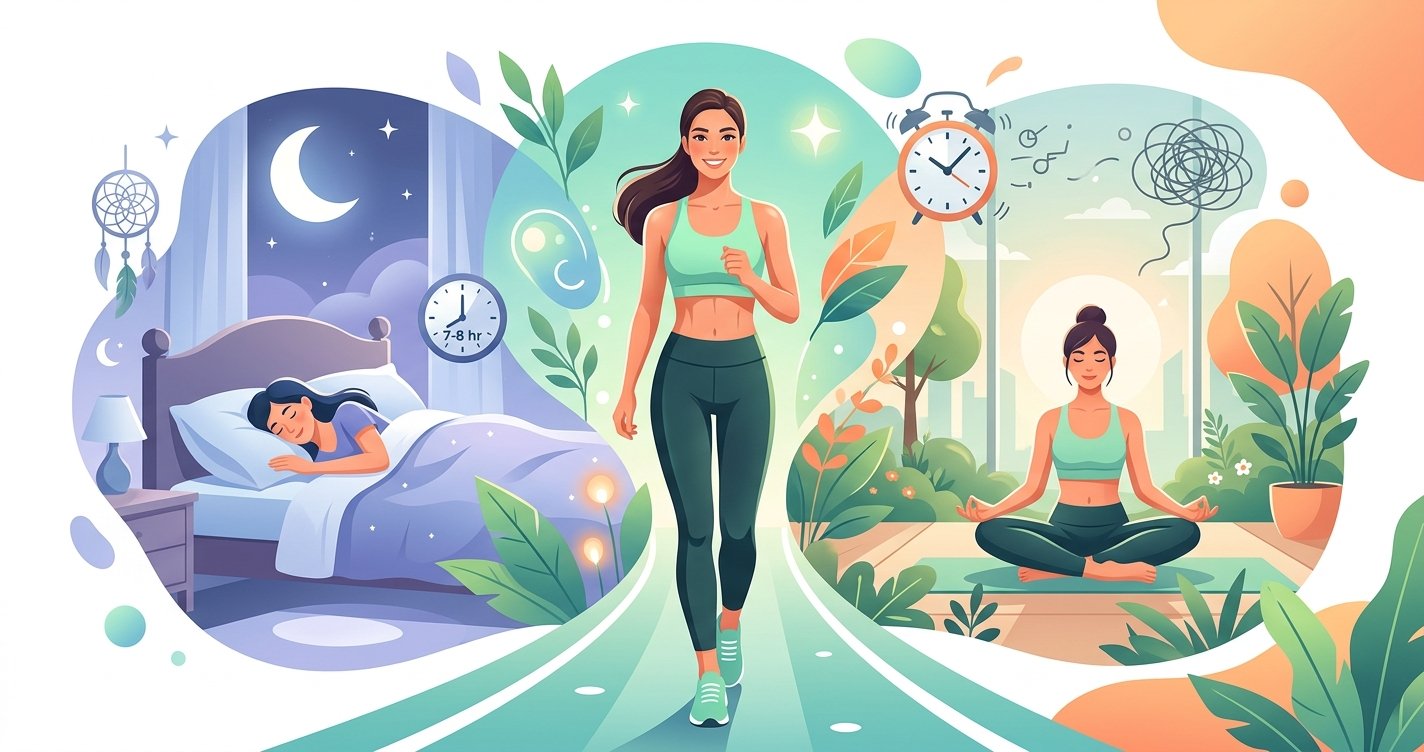
When you embark on a fat loss journey, the first things that usually come to mind are diet and exercise. And for good reason! They are undeniably crucial pillars. But what if we told you there are two often-overlooked, yet incredibly powerful, factors that could be sabotaging your best efforts, even when you're doing everything else 'right'? We're talking about sleep and stress.
In our fast-paced world, getting enough quality sleep and effectively managing stress often take a backseat. However, the science is clear: prioritizing these two elements can unlock sustainable fat loss, improve your overall health, and make your journey far more successful and enjoyable. Let's dive into the evidence and discover how you can harness their power. this excellent wellness product
Why Sleep is Your Secret Weapon for Fat Loss
Think of sleep as your body's nightly repair and reset button. When you skimp on sleep, you're not just tired; you're throwing a wrench into a complex system of hormones and metabolic processes that directly impact your ability to lose fat.
The Hormonal Havoc of Sleep Deprivation
- Ghrelin (The Hunger Hormone) Surges: Lack of sleep significantly increases ghrelin levels, making you feel hungrier and craving high-calorie, high-carb foods. Your body is essentially trying to compensate for the energy deficit it perceives.
- Leptin (The Satiety Hormone) Plummets: Simultaneously, sleep deprivation lowers leptin, the hormone that tells your brain you're full and satisfied. This double whammy means you're hungrier and less satisfied after eating, leading to overconsumption.
- Cortisol (The Stress Hormone) Rises: Poor sleep is a stressor in itself, elevating cortisol levels. Chronic high cortisol promotes fat storage, especially around the abdomen (visceral fat), and can even lead to muscle breakdown.
- Insulin Sensitivity Decreases: Just one night of poor sleep can reduce your body's sensitivity to insulin, meaning your cells struggle to absorb glucose from the bloodstream. This can lead to higher blood sugar levels and increased fat storage.
Better Sleep, Better Choices
Beyond hormones, sleep directly impacts your daily decision-making. When you're well-rested:
- You have more energy for your workouts and daily activity.
- Your willpower is stronger, making it easier to resist unhealthy cravings and stick to your nutrition plan.
- Your mood improves, reducing the likelihood of emotional eating.
- You think more clearly and can make more conscious, healthier choices throughout the day.
Practical Tips for a Restful Night
Aim for 7-9 hours of quality sleep per night. Here’s how to improve your sleep hygiene:
- Stick to a Schedule: Go to bed and wake up at roughly the same time every day, even on weekends.
- Optimize Your Environment: Make your bedroom dark, cool (around 65°F or 18°C), and quiet.
- Limit Screen Time: Avoid blue light from phones, tablets, and computers at least an hour before bed.
- Watch What You Consume: Limit caffeine and heavy meals late in the evening. Alcohol might make you sleepy initially, but it disrupts sleep quality.
- Create a Wind-Down Routine: Read a book, take a warm bath, practice gentle stretching, or meditate.
Taming Stress: The Unsung Hero in Your Fat Loss Equation
Stress is an inevitable part of modern life, but chronic, unmanaged stress can be a significant roadblock to your fat loss goals. Just like sleep, stress directly influences your body's chemistry and your behavioral patterns.
The Cortisol Connection: How Stress Stores Fat
When you encounter a stressful situation, your body releases a cascade of hormones, primarily cortisol, as part of the 'fight or flight' response. In short bursts, this is beneficial. However, when stress is chronic:
- Persistent Cortisol Elevation: Your body remains in a state of heightened alert, leading to consistently high cortisol levels.
- Increased Visceral Fat: High cortisol signals your body to store fat, particularly dangerous visceral fat around your abdominal organs. This type of fat is linked to increased risk of heart disease and type 2 diabetes.
- Muscle Breakdown: Cortisol can also promote the breakdown of muscle tissue, which is detrimental for fat loss as muscle is metabolically active and helps burn calories.
- Impaired Digestion: Stress diverts blood flow away from the digestive system, potentially leading to issues like bloating and nutrient malabsorption.
Stress Eating and Cravings
Beyond the hormonal impact, stress often triggers unhelpful behavioral responses:
- Emotional Eating: Many people turn to food, especially sugary, fatty, or salty 'comfort foods,' to cope with stress, boredom, or sadness. This provides temporary relief but sabotages fat loss.
- Reduced Self-Control: When stressed, your prefrontal cortex (the part of your brain responsible for rational decision-making) is less active, making you more prone to impulsive food choices.
- Increased Cravings: Cortisol can also directly increase cravings for high-calorie foods, creating a vicious cycle.
Actionable Strategies to Reduce Stress
Managing stress isn't about eliminating it entirely, but about developing healthy coping mechanisms:
- Mindfulness and Meditation: Even 5-10 minutes a day can significantly reduce stress levels. Apps like Headspace or Calm can guide you.
- Deep Breathing Exercises: Simple deep belly breaths activate your parasympathetic nervous system, promoting relaxation.
- Physical Activity: Exercise is a fantastic stress reliever. It helps burn off excess energy and releases endorphins, natural mood boosters.
- Connect with Others: Spend time with loved ones, talk about your feelings, and build a strong support system.
- Prioritize and Set Boundaries: Learn to say 'no,' delegate tasks, and manage your time effectively to avoid feeling overwhelmed.
- Engage in Hobbies: Make time for activities you enjoy – reading, gardening, listening to music – anything that brings you joy and takes your mind off stressors.
Bringing It All Together: A Holistic Approach to Fat Loss
It's important to understand that sleep, stress, nutrition, and exercise are not isolated factors. They are intricately connected, influencing each other in profound ways. When you prioritize sleep and stress management, you're not just adding two more items to your 'to-do' list; you're creating a powerful synergy that amplifies the positive effects of your dietary and exercise efforts.
Imagine trying to build a house on an unstable foundation. That's what it's like trying to achieve sustainable fat loss without addressing sleep and stress. By stabilizing these foundational elements, you empower your body to respond more effectively to healthy food choices and consistent movement, making your fat loss journey smoother, more efficient, and far more likely to yield lasting results.
Your Journey to Sustainable Fat Loss Starts Here
Don't underestimate the power of a good night's sleep and a calm mind. By integrating mindful sleep and stress management practices into your daily routine, you're not just working towards a leaner body; you're investing in a healthier, happier, and more balanced life. Start with one small change today, be patient with yourself, and watch as these often-overlooked elements transform your fat loss journey for the better.